🚚 Free Worldwide Shipping on All Orders!Shop Now



Jalapeño Pepper
-
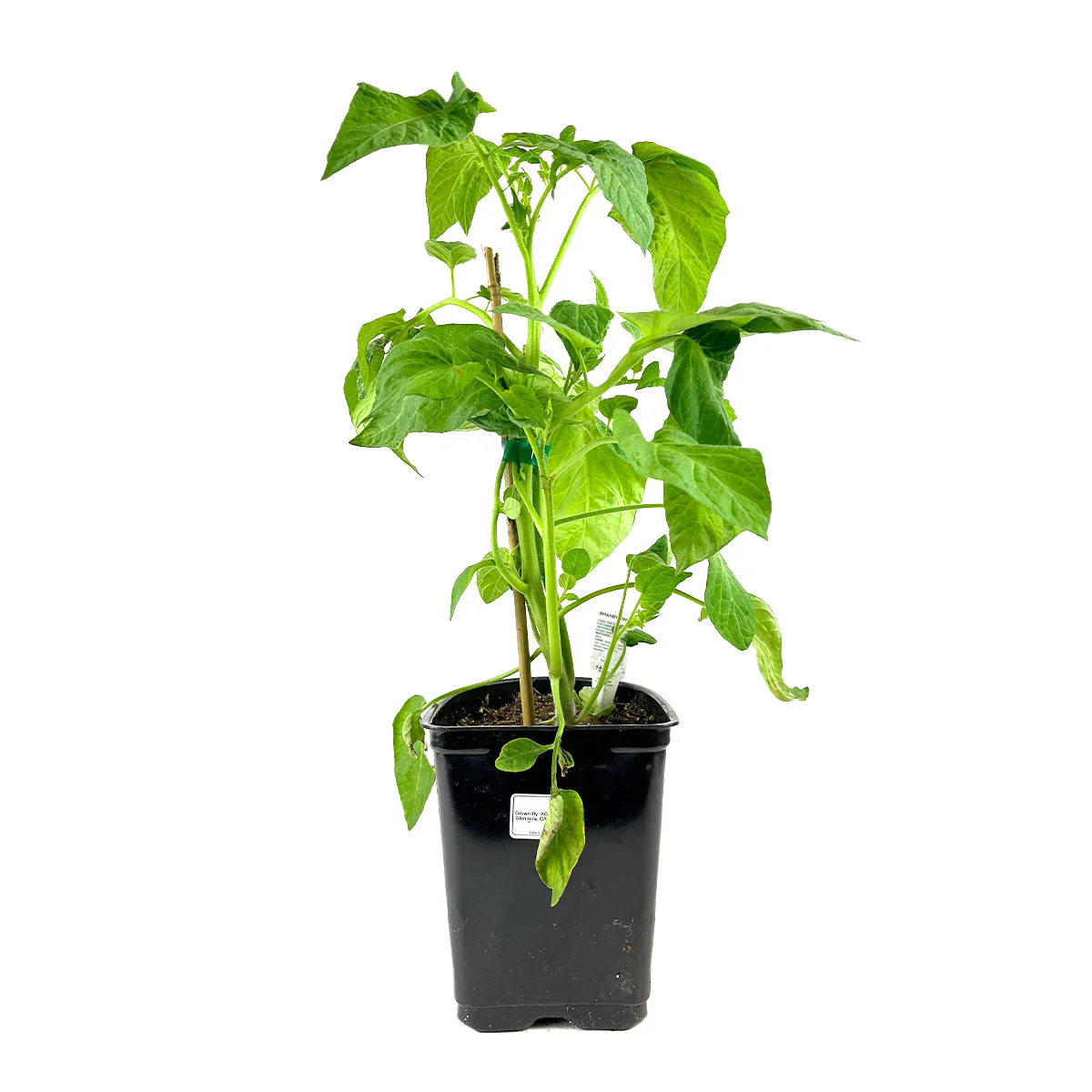
![]() Jalapeño Pepper (Capsicum annuum) is a medium-sized chili pepper that originates from Mexico. The name jalapeño comes from Xalapa, the capital of Veracruz, where this variety was historically cultivated. Today, it is grown widely around the world, especially in warm climates like those of Texas and California. Jalapeños are typically harvested when green, but if left on the plant, they mature into shades of red, orange, or yellow, becoming sweeter with time.
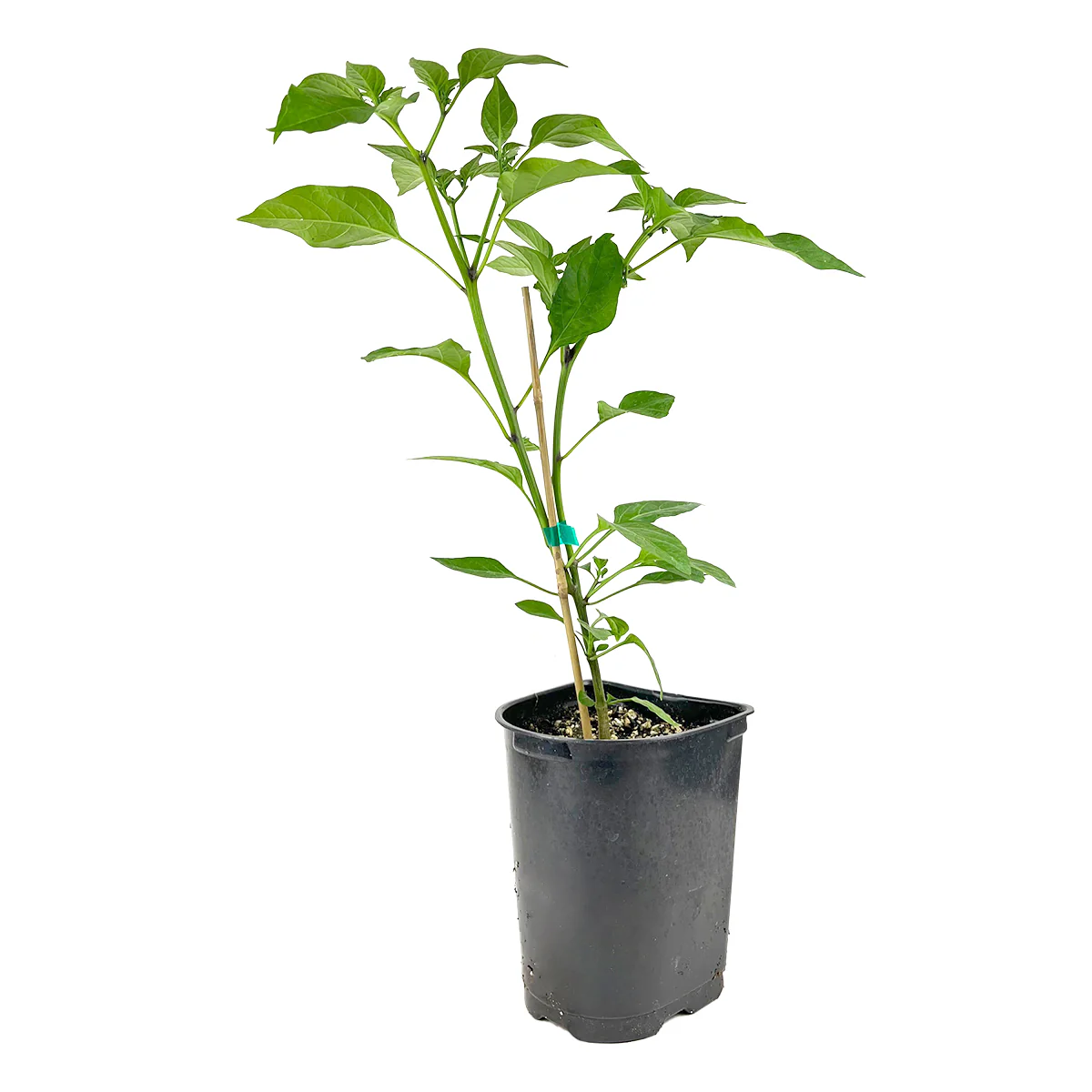
Jalapeño Pepper (Capsicum annuum) is a medium-sized chili pepper that originates from Mexico. The name jalapeño comes from Xalapa, the capital of Veracruz, where this variety was historically cultivated. Today, it is grown widely around the world, especially in warm climates like those of Texas and California. Jalapeños are typically harvested when green, but if left on the plant, they mature into shades of red, orange, or yellow, becoming sweeter with time.![]() The plant has an upright, bushy habit and usually grows to a height of 2 to 3 feet. Each plant can yield around 25 to 35 peppers in one season. The peppers themselves are thick-walled and measure about 2 to 3 inches long. Compared to other members of the Capsicum annuum species like bell peppers or cayenne, jalapeños stand out for their thicker flesh and moderate heat level—ranging between 4,000 to 8,500 Scoville Heat Units. This makes them especially good for grilling, stuffing, or adding a kick to salsa.
The plant has an upright, bushy habit and usually grows to a height of 2 to 3 feet. Each plant can yield around 25 to 35 peppers in one season. The peppers themselves are thick-walled and measure about 2 to 3 inches long. Compared to other members of the Capsicum annuum species like bell peppers or cayenne, jalapeños stand out for their thicker flesh and moderate heat level—ranging between 4,000 to 8,500 Scoville Heat Units. This makes them especially good for grilling, stuffing, or adding a kick to salsa.![]() Jalapeños grow well in containers, making them suitable for small-space or patio gardening. They thrive in full sun, well-draining soil, and with consistent watering. In USDA zones 10 to 11, they can be grown as perennials, while in cooler zones they are best treated as annuals. With their glossy foliage and colorful fruits, jalapeño plants can double as both ornamental and productive additions to indoor or outdoor spaces.
Jalapeños grow well in containers, making them suitable for small-space or patio gardening. They thrive in full sun, well-draining soil, and with consistent watering. In USDA zones 10 to 11, they can be grown as perennials, while in cooler zones they are best treated as annuals. With their glossy foliage and colorful fruits, jalapeño plants can double as both ornamental and productive additions to indoor or outdoor spaces.
-
![]() Jalapeños need plenty of direct sunlight—at least 6 to 8 hours a day—to produce well. Outdoors, they do best in a sunny, sheltered location; indoors, place them near a south-facing window or under a grow light.
Jalapeños need plenty of direct sunlight—at least 6 to 8 hours a day—to produce well. Outdoors, they do best in a sunny, sheltered location; indoors, place them near a south-facing window or under a grow light.![]() Keep the soil evenly moist but not soggy. Let the top inch dry out between waterings to avoid root issues.
Keep the soil evenly moist but not soggy. Let the top inch dry out between waterings to avoid root issues.![]() They prefer warm temperatures between 70 and 85°F. Protect from temperatures below 55°F, especially at night. Grows as a perennial in zones 10–11; in other zones, grow as an annual or overwinter indoors.
They prefer warm temperatures between 70 and 85°F. Protect from temperatures below 55°F, especially at night. Grows as a perennial in zones 10–11; in other zones, grow as an annual or overwinter indoors.![]() Use loose, well-draining potting soil enriched with compost or aged manure. A slightly acidic to neutral pH (6.0 to 7.0) works best.
Use loose, well-draining potting soil enriched with compost or aged manure. A slightly acidic to neutral pH (6.0 to 7.0) works best.![]() Fertilize every two weeks during the growing season using a balanced liquid fertilizer. Reduce feeding once fruiting begins to avoid excess foliage growth at the expense of peppers.
Fertilize every two weeks during the growing season using a balanced liquid fertilizer. Reduce feeding once fruiting begins to avoid excess foliage growth at the expense of peppers.![]() This plant is not toxic, but the peppers contain capsaicin which can irritate skin and eyes—handle with care, especially around pets or children.
This plant is not toxic, but the peppers contain capsaicin which can irritate skin and eyes—handle with care, especially around pets or children.
-
Zone 10-11
![]()
 Jalapeño Pepper (Capsicum annuum) is a medium-sized chili pepper that originates from Mexico. The name jalapeño comes from Xalapa, the capital of Veracruz, where this variety was historically cultivated. Today, it is grown widely around the world, especially in warm climates like those of Texas and California. Jalapeños are typically harvested when green, but if left on the plant, they mature into shades of red, orange, or yellow, becoming sweeter with time.
 The plant has an upright, bushy habit and usually grows to a height of 2 to 3 feet. Each plant can yield around 25 to 35 peppers in one season. The peppers themselves are thick-walled and measure about 2 to 3 inches long. Compared to other members of the Capsicum annuum species like bell peppers or cayenne, jalapeños stand out for their thicker flesh and moderate heat level—ranging between 4,000 to 8,500 Scoville Heat Units. This makes them especially good for grilling, stuffing, or adding a kick to salsa.
 Jalapeños grow well in containers, making them suitable for small-space or patio gardening. They thrive in full sun, well-draining soil, and with consistent watering. In USDA zones 10 to 11, they can be grown as perennials, while in cooler zones they are best treated as annuals. With their glossy foliage and colorful fruits, jalapeño plants can double as both ornamental and productive additions to indoor or outdoor spaces.
 This plant is not toxic, but the peppers contain capsaicin which can irritate skin and eyes—handle with care, especially around pets or children.
$5.01
Original: $16.69
-70%Jalapeño Pepper—
$16.69
$5.01Product Information
Product Information
Shipping & Returns
Shipping & Returns
Description
-
![]() Jalapeño Pepper (Capsicum annuum) is a medium-sized chili pepper that originates from Mexico. The name jalapeño comes from Xalapa, the capital of Veracruz, where this variety was historically cultivated. Today, it is grown widely around the world, especially in warm climates like those of Texas and California. Jalapeños are typically harvested when green, but if left on the plant, they mature into shades of red, orange, or yellow, becoming sweeter with time.
Jalapeño Pepper (Capsicum annuum) is a medium-sized chili pepper that originates from Mexico. The name jalapeño comes from Xalapa, the capital of Veracruz, where this variety was historically cultivated. Today, it is grown widely around the world, especially in warm climates like those of Texas and California. Jalapeños are typically harvested when green, but if left on the plant, they mature into shades of red, orange, or yellow, becoming sweeter with time.![]() The plant has an upright, bushy habit and usually grows to a height of 2 to 3 feet. Each plant can yield around 25 to 35 peppers in one season. The peppers themselves are thick-walled and measure about 2 to 3 inches long. Compared to other members of the Capsicum annuum species like bell peppers or cayenne, jalapeños stand out for their thicker flesh and moderate heat level—ranging between 4,000 to 8,500 Scoville Heat Units. This makes them especially good for grilling, stuffing, or adding a kick to salsa.
The plant has an upright, bushy habit and usually grows to a height of 2 to 3 feet. Each plant can yield around 25 to 35 peppers in one season. The peppers themselves are thick-walled and measure about 2 to 3 inches long. Compared to other members of the Capsicum annuum species like bell peppers or cayenne, jalapeños stand out for their thicker flesh and moderate heat level—ranging between 4,000 to 8,500 Scoville Heat Units. This makes them especially good for grilling, stuffing, or adding a kick to salsa.![]() Jalapeños grow well in containers, making them suitable for small-space or patio gardening. They thrive in full sun, well-draining soil, and with consistent watering. In USDA zones 10 to 11, they can be grown as perennials, while in cooler zones they are best treated as annuals. With their glossy foliage and colorful fruits, jalapeño plants can double as both ornamental and productive additions to indoor or outdoor spaces.
Jalapeños grow well in containers, making them suitable for small-space or patio gardening. They thrive in full sun, well-draining soil, and with consistent watering. In USDA zones 10 to 11, they can be grown as perennials, while in cooler zones they are best treated as annuals. With their glossy foliage and colorful fruits, jalapeño plants can double as both ornamental and productive additions to indoor or outdoor spaces.
-
![]() Jalapeños need plenty of direct sunlight—at least 6 to 8 hours a day—to produce well. Outdoors, they do best in a sunny, sheltered location; indoors, place them near a south-facing window or under a grow light.
Jalapeños need plenty of direct sunlight—at least 6 to 8 hours a day—to produce well. Outdoors, they do best in a sunny, sheltered location; indoors, place them near a south-facing window or under a grow light.![]() Keep the soil evenly moist but not soggy. Let the top inch dry out between waterings to avoid root issues.
Keep the soil evenly moist but not soggy. Let the top inch dry out between waterings to avoid root issues.![]() They prefer warm temperatures between 70 and 85°F. Protect from temperatures below 55°F, especially at night. Grows as a perennial in zones 10–11; in other zones, grow as an annual or overwinter indoors.
They prefer warm temperatures between 70 and 85°F. Protect from temperatures below 55°F, especially at night. Grows as a perennial in zones 10–11; in other zones, grow as an annual or overwinter indoors.![]() Use loose, well-draining potting soil enriched with compost or aged manure. A slightly acidic to neutral pH (6.0 to 7.0) works best.
Use loose, well-draining potting soil enriched with compost or aged manure. A slightly acidic to neutral pH (6.0 to 7.0) works best.![]() Fertilize every two weeks during the growing season using a balanced liquid fertilizer. Reduce feeding once fruiting begins to avoid excess foliage growth at the expense of peppers.
Fertilize every two weeks during the growing season using a balanced liquid fertilizer. Reduce feeding once fruiting begins to avoid excess foliage growth at the expense of peppers.![]() This plant is not toxic, but the peppers contain capsaicin which can irritate skin and eyes—handle with care, especially around pets or children.
This plant is not toxic, but the peppers contain capsaicin which can irritate skin and eyes—handle with care, especially around pets or children.
-
Zone 10-11
![]()