🚚 Free Worldwide Shipping on All Orders!Shop Now


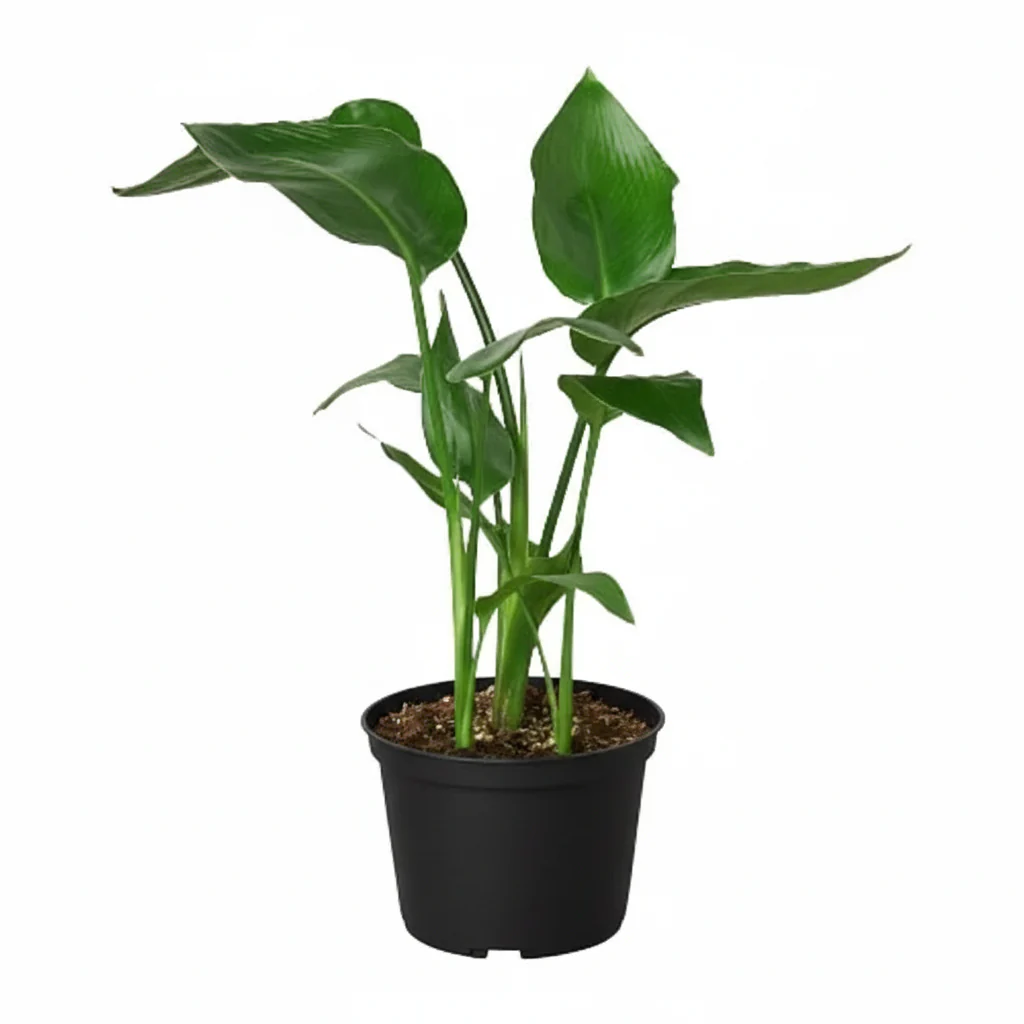
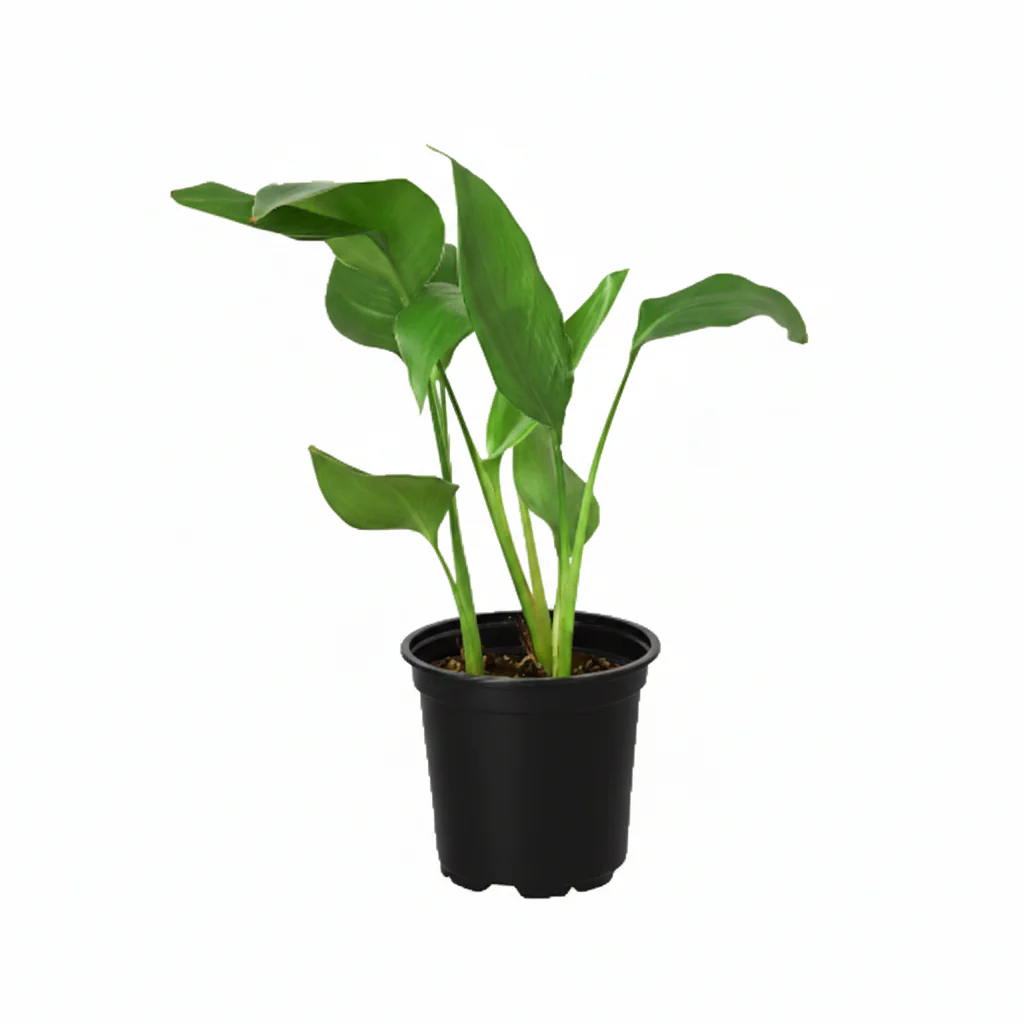


White Bird of Paradise 'Strelitzia Nicolai'
-
![]() The White Bird of Paradise, or Strelitzia nicolai, is the "giant" cousin of the popular orange Bird of Paradise. This plant is native to the coastal forests and dunes of South Africa (specifically the Eastern Cape and KwaZulu-Natal) extending into Mozambique and Zimbabwe.
The White Bird of Paradise, or Strelitzia nicolai, is the "giant" cousin of the popular orange Bird of Paradise. This plant is native to the coastal forests and dunes of South Africa (specifically the Eastern Cape and KwaZulu-Natal) extending into Mozambique and Zimbabwe.![]() Unlike the common orange variety, this species produces striking white and blue flowers nestled within a dark, purplish-black, boat-shaped bract (spathe). The bloom resembles the head of a crane or bird with a white crest and dark beak.
Unlike the common orange variety, this species produces striking white and blue flowers nestled within a dark, purplish-black, boat-shaped bract (spathe). The bloom resembles the head of a crane or bird with a white crest and dark beak.![]() Known for its massive, banana-like leaves and architectural presence, it is a premier choice for adding a bold, tropical feel to indoor spaces and sunny gardens. It is widely recognized as a symbol of paradise, freedom, and joy, making it a popular gift for new beginnings.
Known for its massive, banana-like leaves and architectural presence, it is a premier choice for adding a bold, tropical feel to indoor spaces and sunny gardens. It is widely recognized as a symbol of paradise, freedom, and joy, making it a popular gift for new beginnings.
-
![]() Thrives in bright, indirect light. It can tolerate direct sun (especially morning sun), but harsh afternoon rays may scorch leaves.
Thrives in bright, indirect light. It can tolerate direct sun (especially morning sun), but harsh afternoon rays may scorch leaves.![]() Keep soil consistently moist but not waterlogged. Allow the top 1–2 inches of soil to dry out between waterings. Reduce frequency in winter.
Keep soil consistently moist but not waterlogged. Allow the top 1–2 inches of soil to dry out between waterings. Reduce frequency in winter.![]() Prefers rich, well-draining soil.
Prefers rich, well-draining soil.![]() The plant prefers temperatures between 65°F and 80°F (18°C - 27°C).
The plant prefers temperatures between 65°F and 80°F (18°C - 27°C).
-
![]() USDA Zone 10-11
USDA Zone 10-11USDA Zone 9b: to -3.8 °C (25 °F)
USDA Zone 10a: to -1.1 °C (30 °F)
USDA Zone 10b: to 1.7 °C (35 °F)
USDA Zone 11: above 4.5 °C (40 °F)
 The White Bird of Paradise, or Strelitzia nicolai, is the "giant" cousin of the popular orange Bird of Paradise. This plant is native to the coastal forests and dunes of South Africa (specifically the Eastern Cape and KwaZulu-Natal) extending into Mozambique and Zimbabwe.
 Unlike the common orange variety, this species produces striking white and blue flowers nestled within a dark, purplish-black, boat-shaped bract (spathe). The bloom resembles the head of a crane or bird with a white crest and dark beak.
 Known for its massive, banana-like leaves and architectural presence, it is a premier choice for adding a bold, tropical feel to indoor spaces and sunny gardens. It is widely recognized as a symbol of paradise, freedom, and joy, making it a popular gift for new beginnings.
 Thrives in bright, indirect light. It can tolerate direct sun (especially morning sun), but harsh afternoon rays may scorch leaves.
 Keep soil consistently moist but not waterlogged. Allow the top 1–2 inches of soil to dry out between waterings. Reduce frequency in winter.
 Prefers rich, well-draining soil.
 The plant prefers temperatures between 65°F and 80°F (18°C - 27°C).
 USDA Zone 10-11
Select Size
From $7.05
Original: $23.50
-70%White Bird of Paradise 'Strelitzia Nicolai'—
$23.50
$7.05Product Information
Product Information
Shipping & Returns
Shipping & Returns
Description
-
![]() The White Bird of Paradise, or Strelitzia nicolai, is the "giant" cousin of the popular orange Bird of Paradise. This plant is native to the coastal forests and dunes of South Africa (specifically the Eastern Cape and KwaZulu-Natal) extending into Mozambique and Zimbabwe.
The White Bird of Paradise, or Strelitzia nicolai, is the "giant" cousin of the popular orange Bird of Paradise. This plant is native to the coastal forests and dunes of South Africa (specifically the Eastern Cape and KwaZulu-Natal) extending into Mozambique and Zimbabwe.![]() Unlike the common orange variety, this species produces striking white and blue flowers nestled within a dark, purplish-black, boat-shaped bract (spathe). The bloom resembles the head of a crane or bird with a white crest and dark beak.
Unlike the common orange variety, this species produces striking white and blue flowers nestled within a dark, purplish-black, boat-shaped bract (spathe). The bloom resembles the head of a crane or bird with a white crest and dark beak.![]() Known for its massive, banana-like leaves and architectural presence, it is a premier choice for adding a bold, tropical feel to indoor spaces and sunny gardens. It is widely recognized as a symbol of paradise, freedom, and joy, making it a popular gift for new beginnings.
Known for its massive, banana-like leaves and architectural presence, it is a premier choice for adding a bold, tropical feel to indoor spaces and sunny gardens. It is widely recognized as a symbol of paradise, freedom, and joy, making it a popular gift for new beginnings.
-
![]() Thrives in bright, indirect light. It can tolerate direct sun (especially morning sun), but harsh afternoon rays may scorch leaves.
Thrives in bright, indirect light. It can tolerate direct sun (especially morning sun), but harsh afternoon rays may scorch leaves.![]() Keep soil consistently moist but not waterlogged. Allow the top 1–2 inches of soil to dry out between waterings. Reduce frequency in winter.
Keep soil consistently moist but not waterlogged. Allow the top 1–2 inches of soil to dry out between waterings. Reduce frequency in winter.![]() Prefers rich, well-draining soil.
Prefers rich, well-draining soil.![]() The plant prefers temperatures between 65°F and 80°F (18°C - 27°C).
The plant prefers temperatures between 65°F and 80°F (18°C - 27°C).
-
![]() USDA Zone 10-11
USDA Zone 10-11USDA Zone 9b: to -3.8 °C (25 °F)
USDA Zone 10a: to -1.1 °C (30 °F)
USDA Zone 10b: to 1.7 °C (35 °F)
USDA Zone 11: above 4.5 °C (40 °F)