🚚 Free Worldwide Shipping on All Orders!Shop Now




Tradescantia albiflora 'Variegata'
-
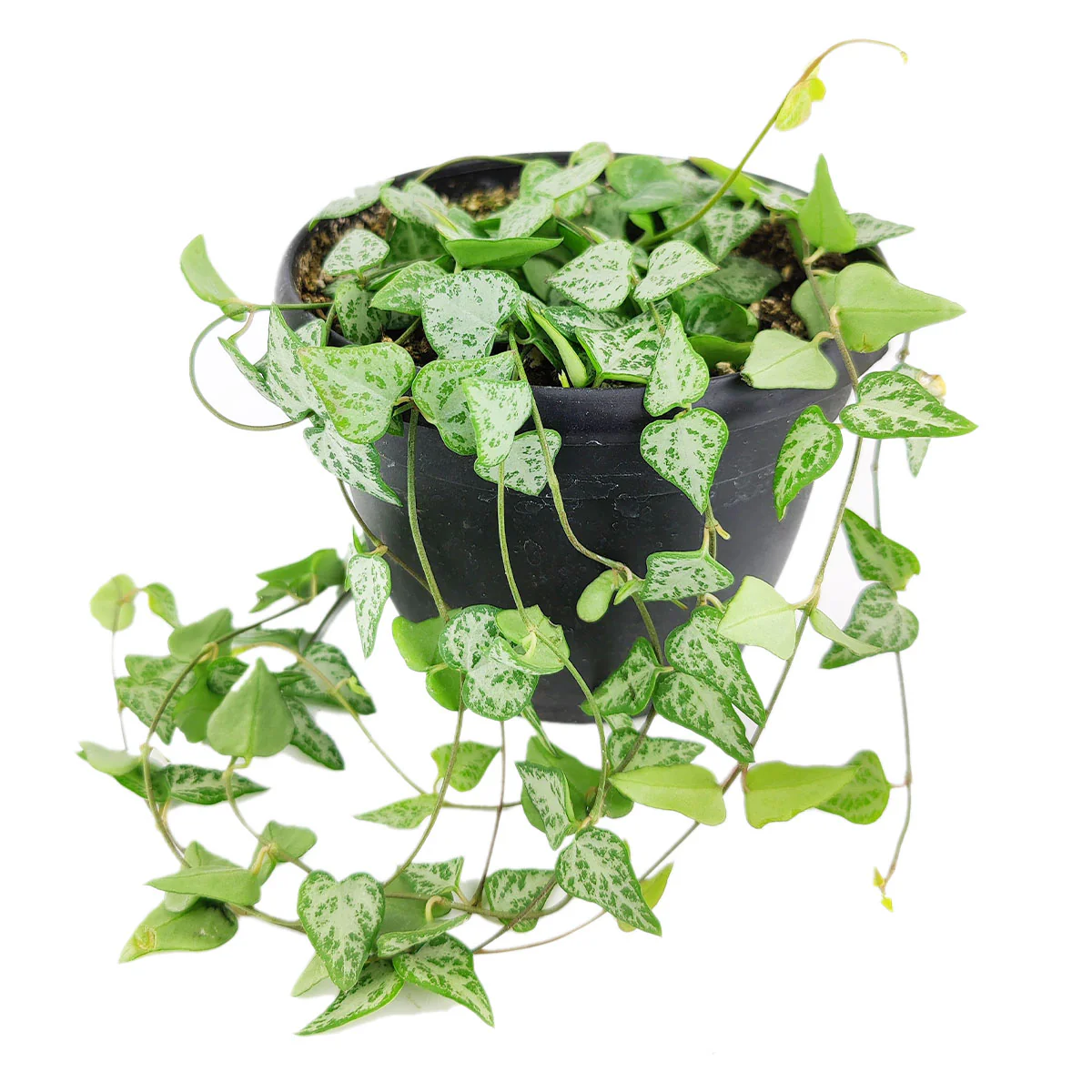
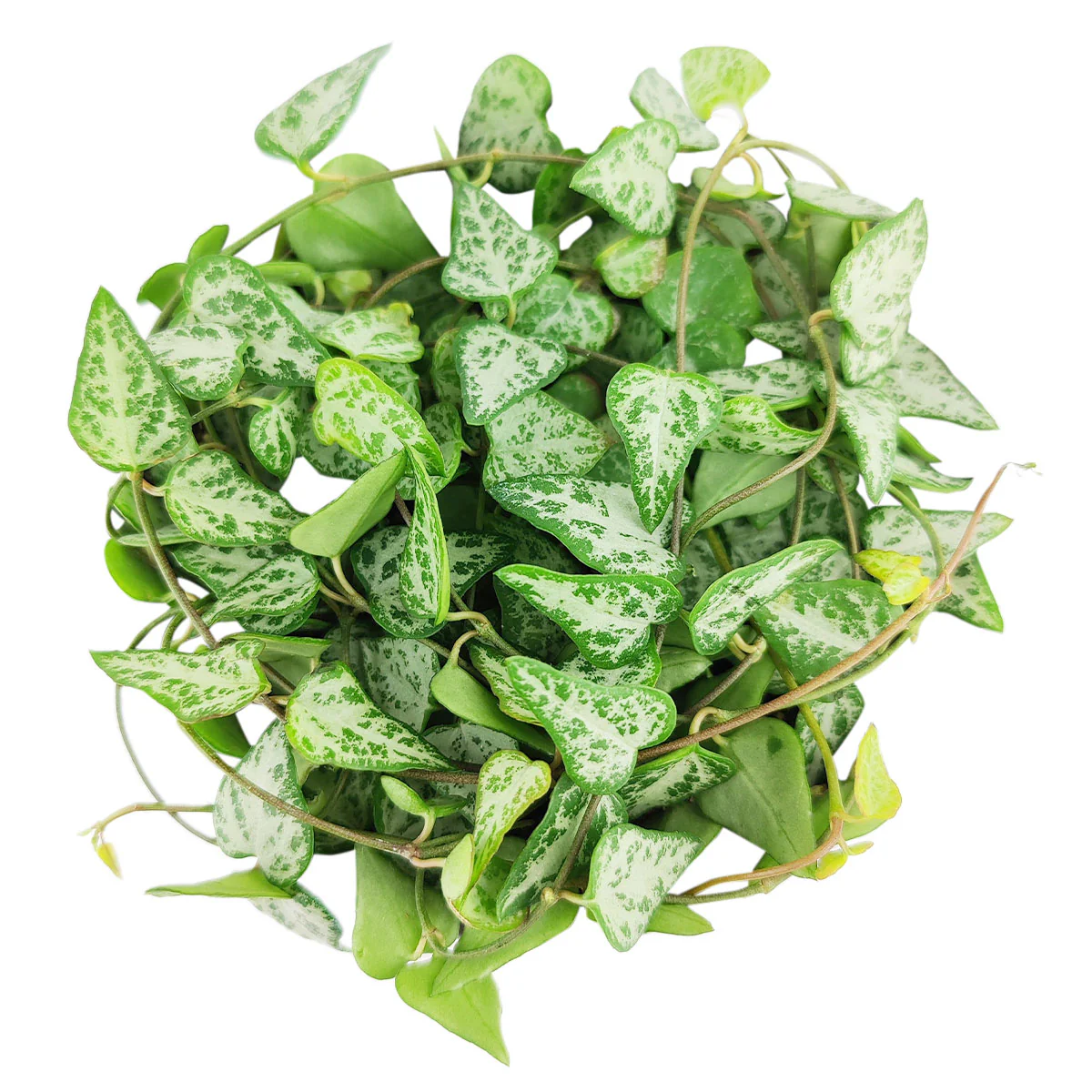
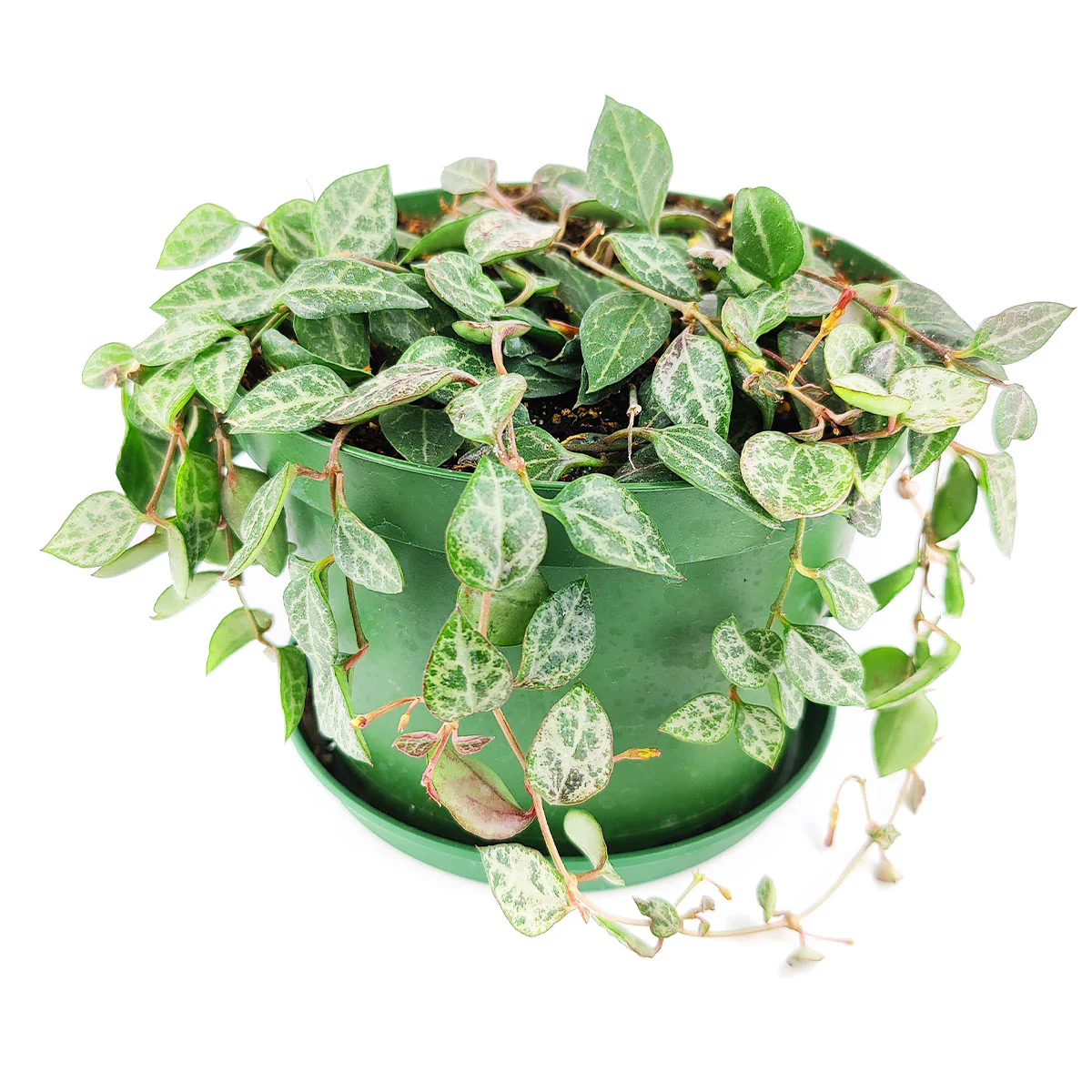
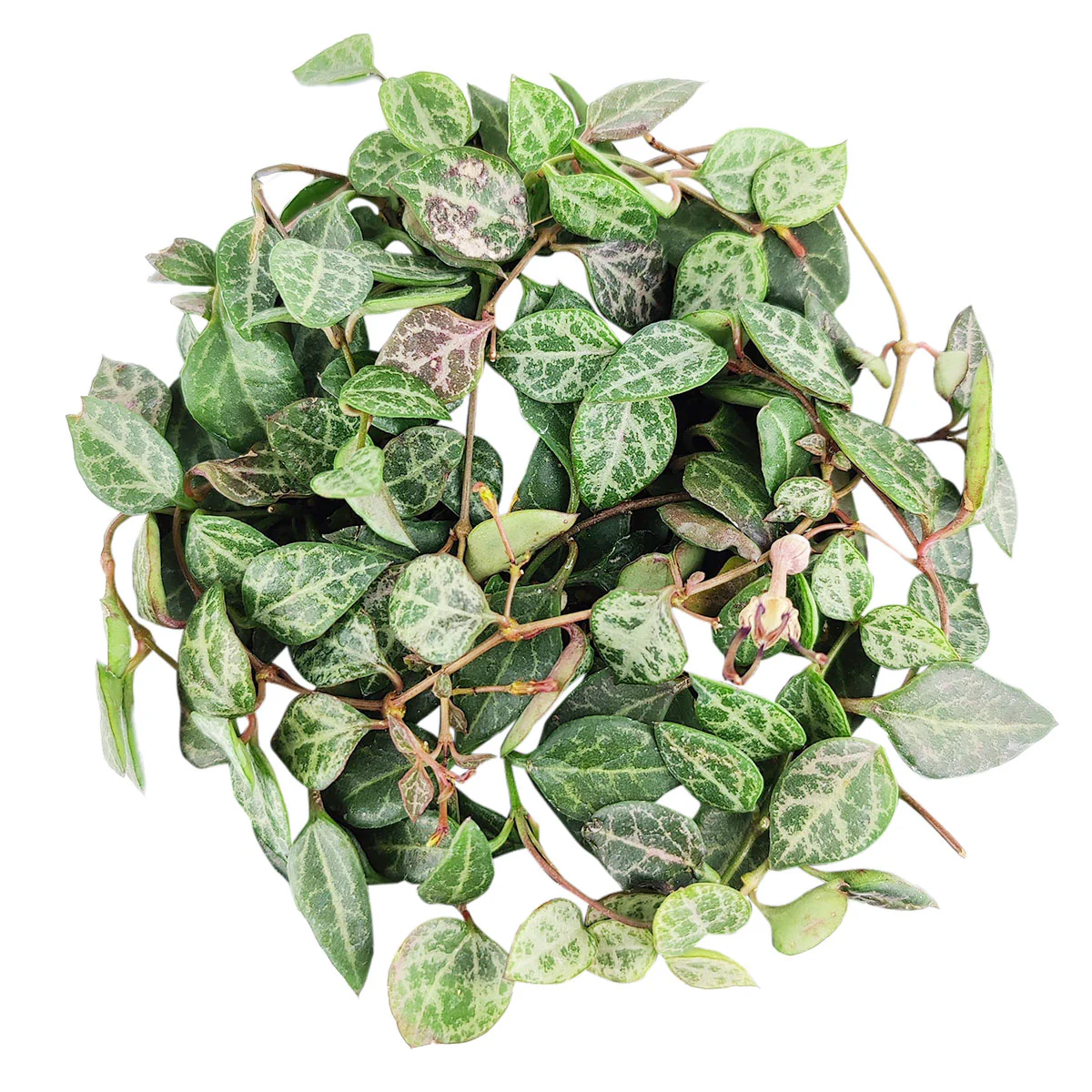
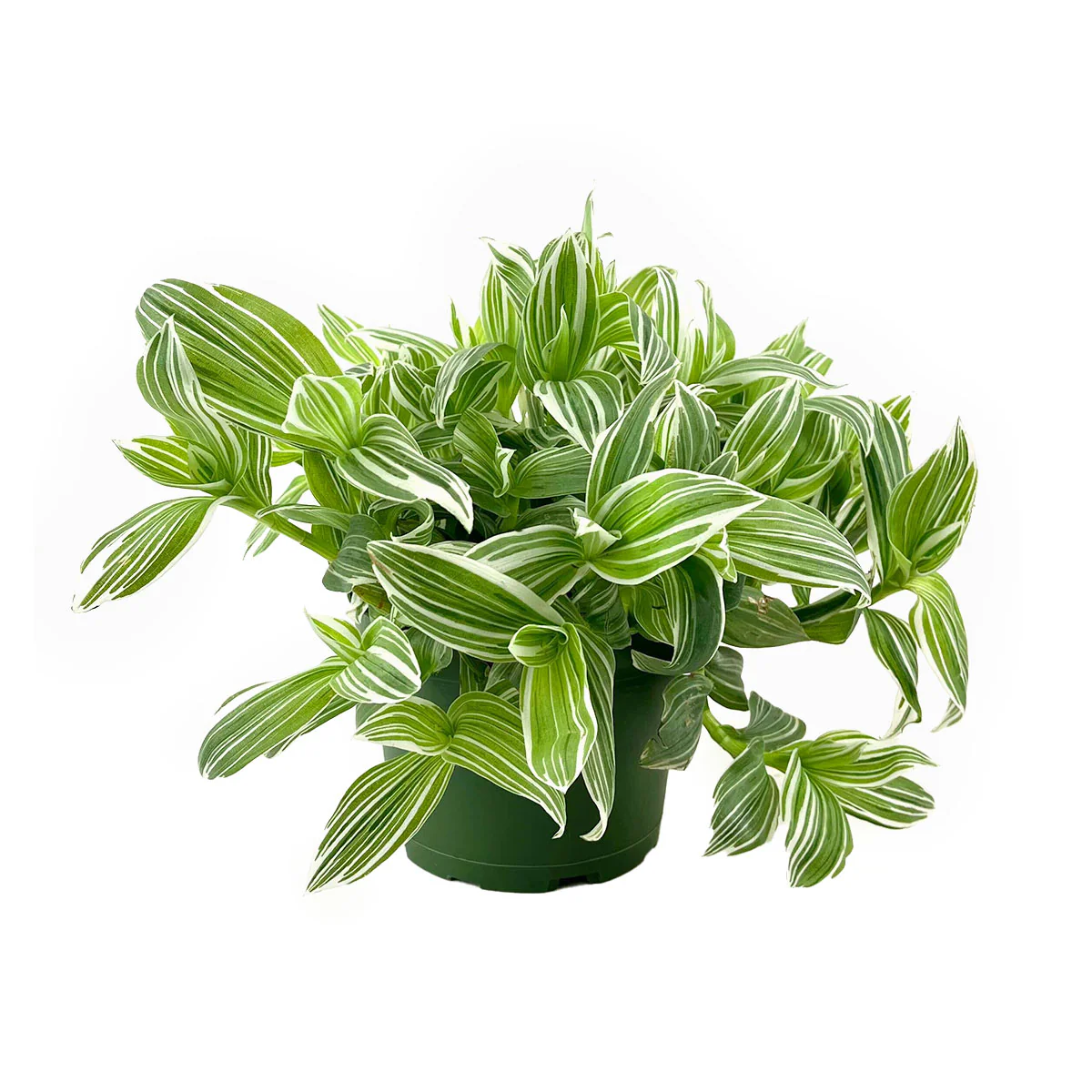
![]() Tradescantia albiflora 'Variegata' is a fast-growing, trailing houseplant with beautiful colorful striped foliage. Native to South America, particularly Brazil and surrounding areas, this variety of Tradescantia produces long, trailing stems lined with soft, lance-shaped leaves. The foliage displays a blend of light green, cream, and white striping, giving the plant a luminous, vibrant look that stands out in both hanging baskets and container arrangements. Its spreading, cascading habit makes it a versatile choice for adding texture and color to indoor spaces.
Tradescantia albiflora 'Variegata' is a fast-growing, trailing houseplant with beautiful colorful striped foliage. Native to South America, particularly Brazil and surrounding areas, this variety of Tradescantia produces long, trailing stems lined with soft, lance-shaped leaves. The foliage displays a blend of light green, cream, and white striping, giving the plant a luminous, vibrant look that stands out in both hanging baskets and container arrangements. Its spreading, cascading habit makes it a versatile choice for adding texture and color to indoor spaces.![]() The leaves of Tradescantia albiflora 'Variegata' are typically about 2–3 inches long, arranged alternately along flexible stems. The variegation varies from leaf to leaf, with some showing bold creamy-white stripes and others appearing more softly blended. When grown in bright conditions, the colors remain sharp and pronounced, while lower light may cause the leaves to become greener. Mature stems can trail several feet if allowed, creating flowing curtains of foliage that move gently with air currents indoors.
The leaves of Tradescantia albiflora 'Variegata' are typically about 2–3 inches long, arranged alternately along flexible stems. The variegation varies from leaf to leaf, with some showing bold creamy-white stripes and others appearing more softly blended. When grown in bright conditions, the colors remain sharp and pronounced, while lower light may cause the leaves to become greener. Mature stems can trail several feet if allowed, creating flowing curtains of foliage that move gently with air currents indoors.![]() Compared to other Tradescantia species like Tradescantia zebrina or Tradescantia fluminensis, Tradescantia albiflora 'Variegata' features softer, less metallic coloring and more delicate leaf texture. It tends to grow vigorously when provided with enough light and moisture, quickly filling containers or hanging baskets with dense, intertwined stems. Regular trimming helps encourage a fuller, bushier appearance and prevents the plant from becoming too leggy.
Compared to other Tradescantia species like Tradescantia zebrina or Tradescantia fluminensis, Tradescantia albiflora 'Variegata' features softer, less metallic coloring and more delicate leaf texture. It tends to grow vigorously when provided with enough light and moisture, quickly filling containers or hanging baskets with dense, intertwined stems. Regular trimming helps encourage a fuller, bushier appearance and prevents the plant from becoming too leggy.![]() Despite its vigorous growth, Tradescantia albiflora 'Variegata' remains compact and easy to manage indoors with occasional pruning. Its bright variegation, soft texture, and forgiving nature make it one of the most attractive and beginner-friendly variegated houseplants available.
Despite its vigorous growth, Tradescantia albiflora 'Variegata' remains compact and easy to manage indoors with occasional pruning. Its bright variegation, soft texture, and forgiving nature make it one of the most attractive and beginner-friendly variegated houseplants available.
-
![]() Prefers bright, indirect light to maintain sharp variegation and compact growth. In lower light, the plant may turn greener and become leggier.
Prefers bright, indirect light to maintain sharp variegation and compact growth. In lower light, the plant may turn greener and become leggier.![]() Water when the top inch of soil feels dry, allowing excess water to drain freely. Avoid letting the plant sit in soggy soil, as this can lead to root rot.
Water when the top inch of soil feels dry, allowing excess water to drain freely. Avoid letting the plant sit in soggy soil, as this can lead to root rot.![]() Thrives in average to moderately high humidity, around 40–60%. It adapts well to typical indoor humidity but benefits from occasional misting during very dry seasons.
Thrives in average to moderately high humidity, around 40–60%. It adapts well to typical indoor humidity but benefits from occasional misting during very dry seasons.![]() Grows best between 65–80°F. Protect from drafts and avoid temperatures below 50°F, which can cause damage to the stems and leaves.
Grows best between 65–80°F. Protect from drafts and avoid temperatures below 50°F, which can cause damage to the stems and leaves.![]() Prefers a well-draining potting mix, such as a general houseplant soil blended with perlite or coarse sand for added aeration. Good drainage helps keep roots healthy.
Prefers a well-draining potting mix, such as a general houseplant soil blended with perlite or coarse sand for added aeration. Good drainage helps keep roots healthy.![]() Feed once a month during spring and summer with a balanced liquid fertilizer diluted to half strength. Pause fertilizing during the fall and winter months.
Feed once a month during spring and summer with a balanced liquid fertilizer diluted to half strength. Pause fertilizing during the fall and winter months.![]() Tradescantia albiflora 'Variegata' is mildly toxic if ingested by pets and humans. Keep the plant out of reach to prevent accidental chewing or ingestion.
Tradescantia albiflora 'Variegata' is mildly toxic if ingested by pets and humans. Keep the plant out of reach to prevent accidental chewing or ingestion.
-
Zone 9-11
![]()
 Tradescantia albiflora 'Variegata' is a fast-growing, trailing houseplant with beautiful colorful striped foliage. Native to South America, particularly Brazil and surrounding areas, this variety of Tradescantia produces long, trailing stems lined with soft, lance-shaped leaves. The foliage displays a blend of light green, cream, and white striping, giving the plant a luminous, vibrant look that stands out in both hanging baskets and container arrangements. Its spreading, cascading habit makes it a versatile choice for adding texture and color to indoor spaces.
 The leaves of Tradescantia albiflora 'Variegata' are typically about 2–3 inches long, arranged alternately along flexible stems. The variegation varies from leaf to leaf, with some showing bold creamy-white stripes and others appearing more softly blended. When grown in bright conditions, the colors remain sharp and pronounced, while lower light may cause the leaves to become greener. Mature stems can trail several feet if allowed, creating flowing curtains of foliage that move gently with air currents indoors.
 Despite its vigorous growth, Tradescantia albiflora 'Variegata' remains compact and easy to manage indoors with occasional pruning. Its bright variegation, soft texture, and forgiving nature make it one of the most attractive and beginner-friendly variegated houseplants available.
 Water when the top inch of soil feels dry, allowing excess water to drain freely. Avoid letting the plant sit in soggy soil, as this can lead to root rot.
$34.15
Tradescantia albiflora 'Variegata'—
$34.15
Product Information
Product Information
Shipping & Returns
Shipping & Returns
Description
-
![]() Tradescantia albiflora 'Variegata' is a fast-growing, trailing houseplant with beautiful colorful striped foliage. Native to South America, particularly Brazil and surrounding areas, this variety of Tradescantia produces long, trailing stems lined with soft, lance-shaped leaves. The foliage displays a blend of light green, cream, and white striping, giving the plant a luminous, vibrant look that stands out in both hanging baskets and container arrangements. Its spreading, cascading habit makes it a versatile choice for adding texture and color to indoor spaces.
Tradescantia albiflora 'Variegata' is a fast-growing, trailing houseplant with beautiful colorful striped foliage. Native to South America, particularly Brazil and surrounding areas, this variety of Tradescantia produces long, trailing stems lined with soft, lance-shaped leaves. The foliage displays a blend of light green, cream, and white striping, giving the plant a luminous, vibrant look that stands out in both hanging baskets and container arrangements. Its spreading, cascading habit makes it a versatile choice for adding texture and color to indoor spaces.![]() The leaves of Tradescantia albiflora 'Variegata' are typically about 2–3 inches long, arranged alternately along flexible stems. The variegation varies from leaf to leaf, with some showing bold creamy-white stripes and others appearing more softly blended. When grown in bright conditions, the colors remain sharp and pronounced, while lower light may cause the leaves to become greener. Mature stems can trail several feet if allowed, creating flowing curtains of foliage that move gently with air currents indoors.
The leaves of Tradescantia albiflora 'Variegata' are typically about 2–3 inches long, arranged alternately along flexible stems. The variegation varies from leaf to leaf, with some showing bold creamy-white stripes and others appearing more softly blended. When grown in bright conditions, the colors remain sharp and pronounced, while lower light may cause the leaves to become greener. Mature stems can trail several feet if allowed, creating flowing curtains of foliage that move gently with air currents indoors.![]() Compared to other Tradescantia species like Tradescantia zebrina or Tradescantia fluminensis, Tradescantia albiflora 'Variegata' features softer, less metallic coloring and more delicate leaf texture. It tends to grow vigorously when provided with enough light and moisture, quickly filling containers or hanging baskets with dense, intertwined stems. Regular trimming helps encourage a fuller, bushier appearance and prevents the plant from becoming too leggy.
Compared to other Tradescantia species like Tradescantia zebrina or Tradescantia fluminensis, Tradescantia albiflora 'Variegata' features softer, less metallic coloring and more delicate leaf texture. It tends to grow vigorously when provided with enough light and moisture, quickly filling containers or hanging baskets with dense, intertwined stems. Regular trimming helps encourage a fuller, bushier appearance and prevents the plant from becoming too leggy.![]() Despite its vigorous growth, Tradescantia albiflora 'Variegata' remains compact and easy to manage indoors with occasional pruning. Its bright variegation, soft texture, and forgiving nature make it one of the most attractive and beginner-friendly variegated houseplants available.
Despite its vigorous growth, Tradescantia albiflora 'Variegata' remains compact and easy to manage indoors with occasional pruning. Its bright variegation, soft texture, and forgiving nature make it one of the most attractive and beginner-friendly variegated houseplants available.
-
![]() Prefers bright, indirect light to maintain sharp variegation and compact growth. In lower light, the plant may turn greener and become leggier.
Prefers bright, indirect light to maintain sharp variegation and compact growth. In lower light, the plant may turn greener and become leggier.![]() Water when the top inch of soil feels dry, allowing excess water to drain freely. Avoid letting the plant sit in soggy soil, as this can lead to root rot.
Water when the top inch of soil feels dry, allowing excess water to drain freely. Avoid letting the plant sit in soggy soil, as this can lead to root rot.![]() Thrives in average to moderately high humidity, around 40–60%. It adapts well to typical indoor humidity but benefits from occasional misting during very dry seasons.
Thrives in average to moderately high humidity, around 40–60%. It adapts well to typical indoor humidity but benefits from occasional misting during very dry seasons.![]() Grows best between 65–80°F. Protect from drafts and avoid temperatures below 50°F, which can cause damage to the stems and leaves.
Grows best between 65–80°F. Protect from drafts and avoid temperatures below 50°F, which can cause damage to the stems and leaves.![]() Prefers a well-draining potting mix, such as a general houseplant soil blended with perlite or coarse sand for added aeration. Good drainage helps keep roots healthy.
Prefers a well-draining potting mix, such as a general houseplant soil blended with perlite or coarse sand for added aeration. Good drainage helps keep roots healthy.![]() Feed once a month during spring and summer with a balanced liquid fertilizer diluted to half strength. Pause fertilizing during the fall and winter months.
Feed once a month during spring and summer with a balanced liquid fertilizer diluted to half strength. Pause fertilizing during the fall and winter months.![]() Tradescantia albiflora 'Variegata' is mildly toxic if ingested by pets and humans. Keep the plant out of reach to prevent accidental chewing or ingestion.
Tradescantia albiflora 'Variegata' is mildly toxic if ingested by pets and humans. Keep the plant out of reach to prevent accidental chewing or ingestion.
-
Zone 9-11
![]()