🚚 Free Worldwide Shipping on All Orders!Shop Now



Snake Plant 'Jaboa'
-
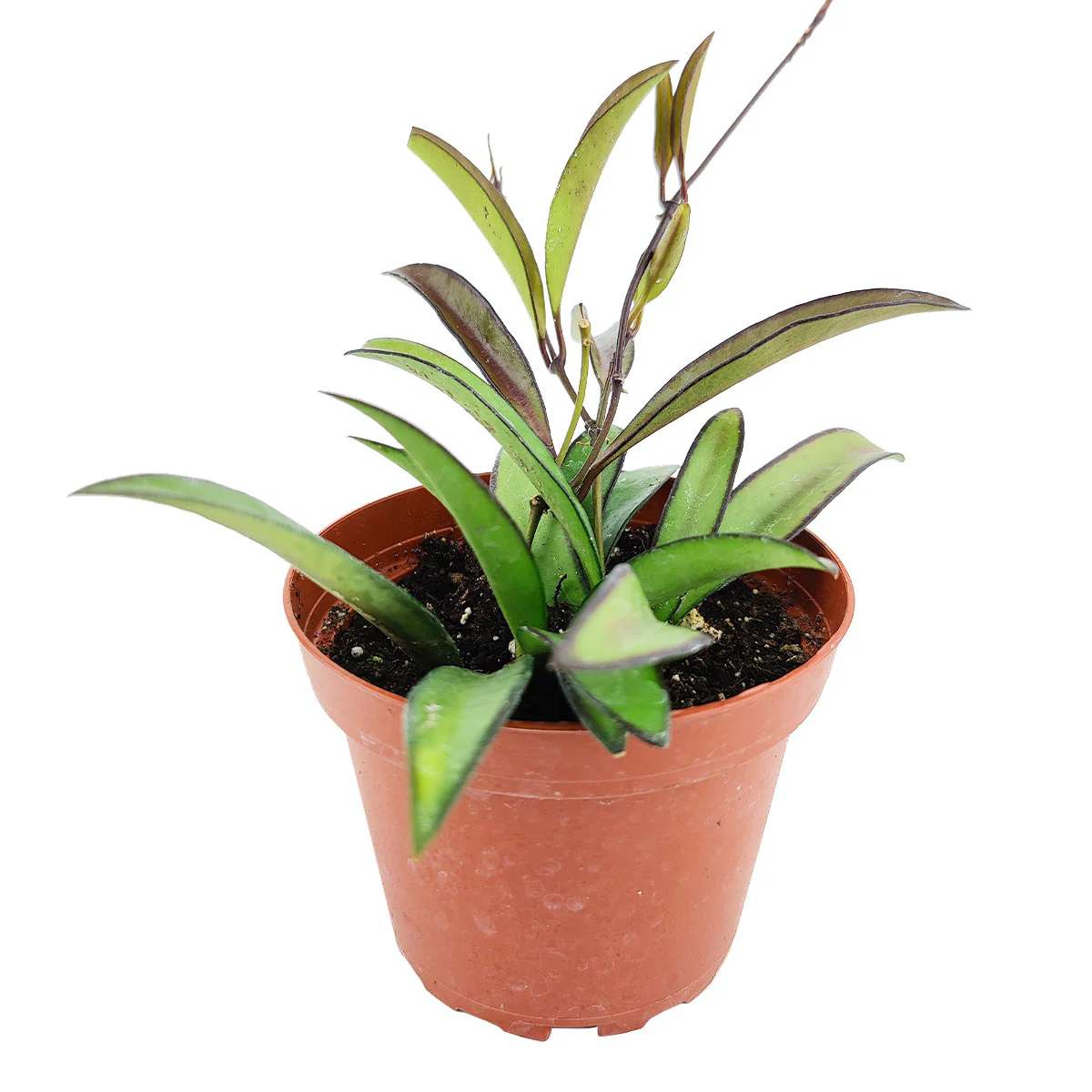
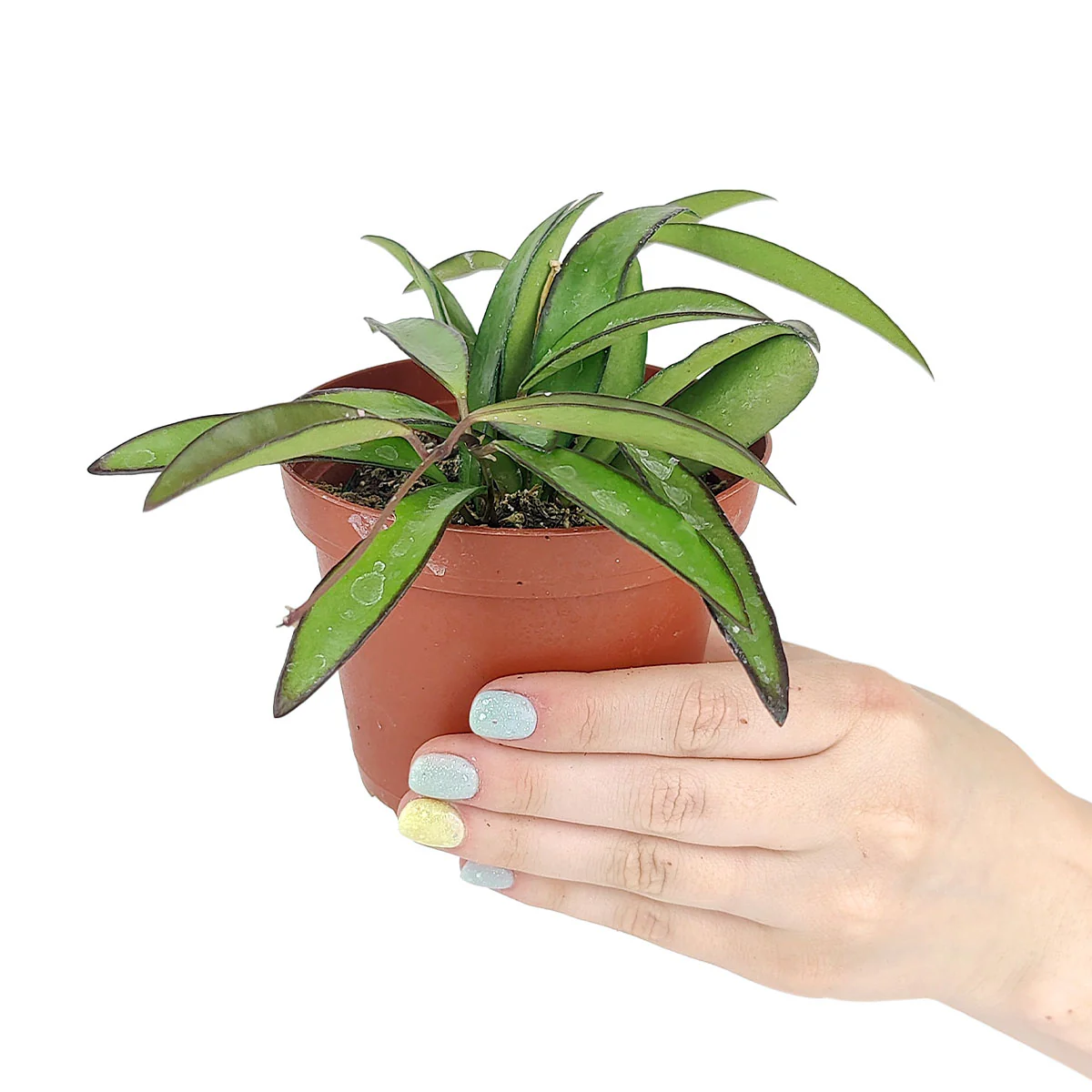
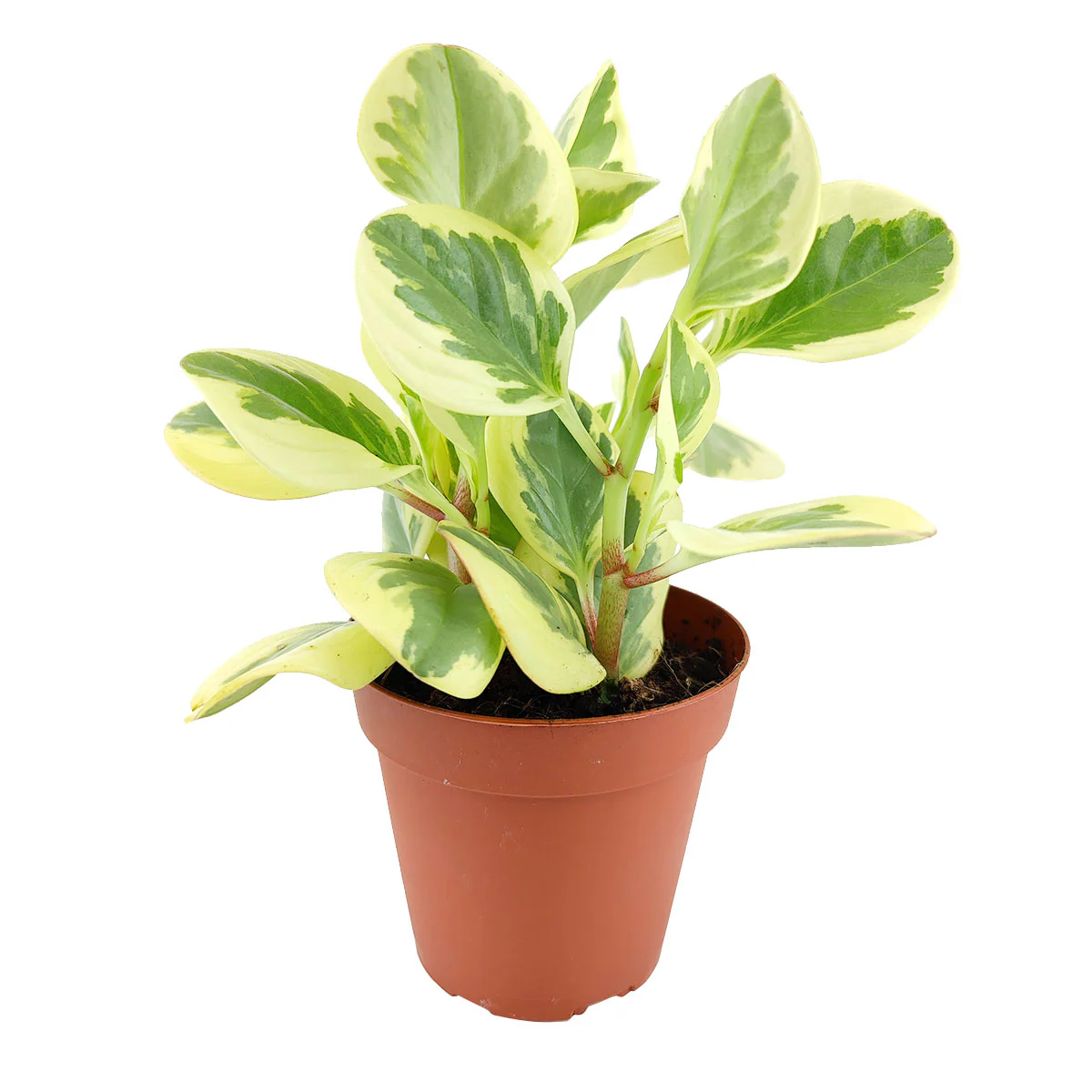
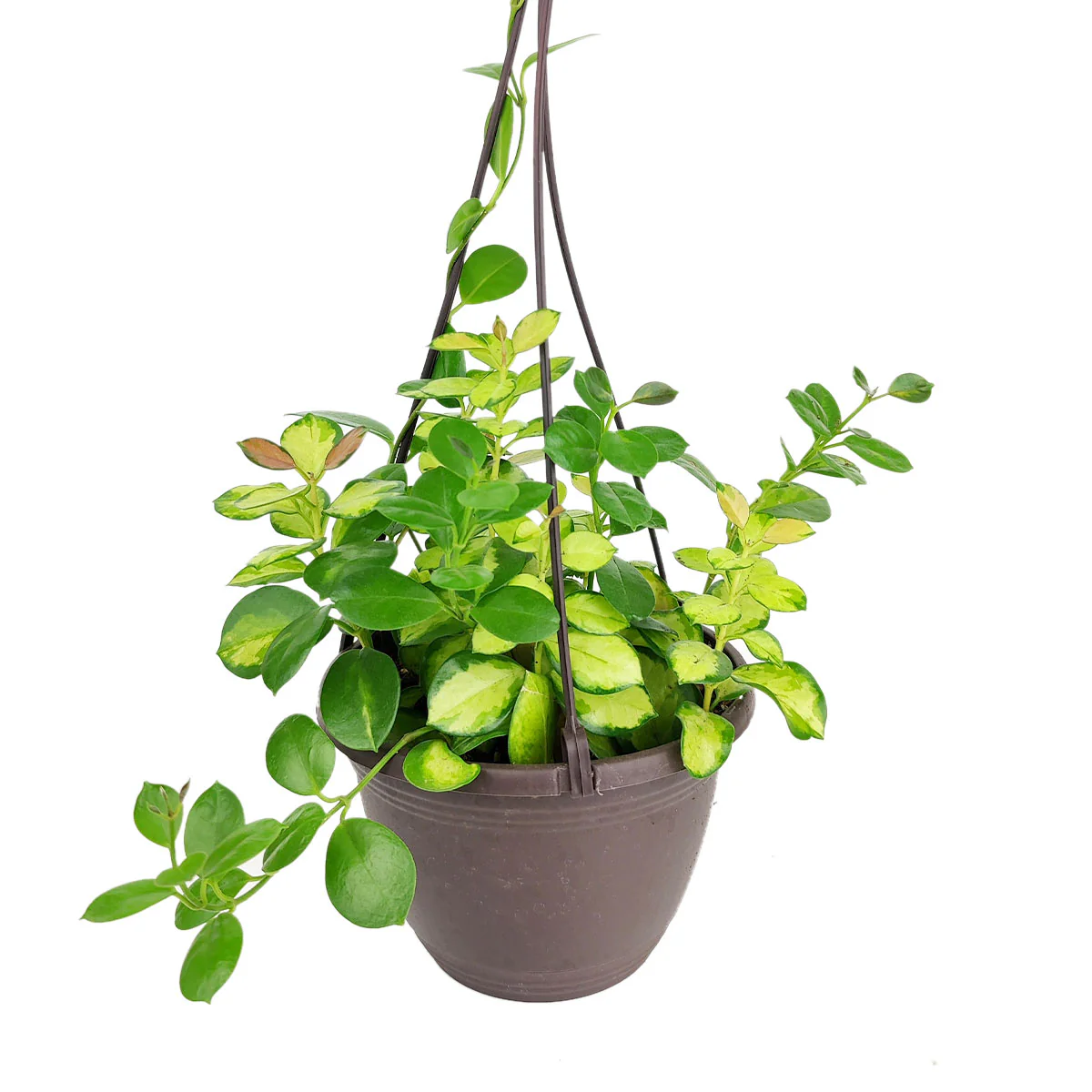
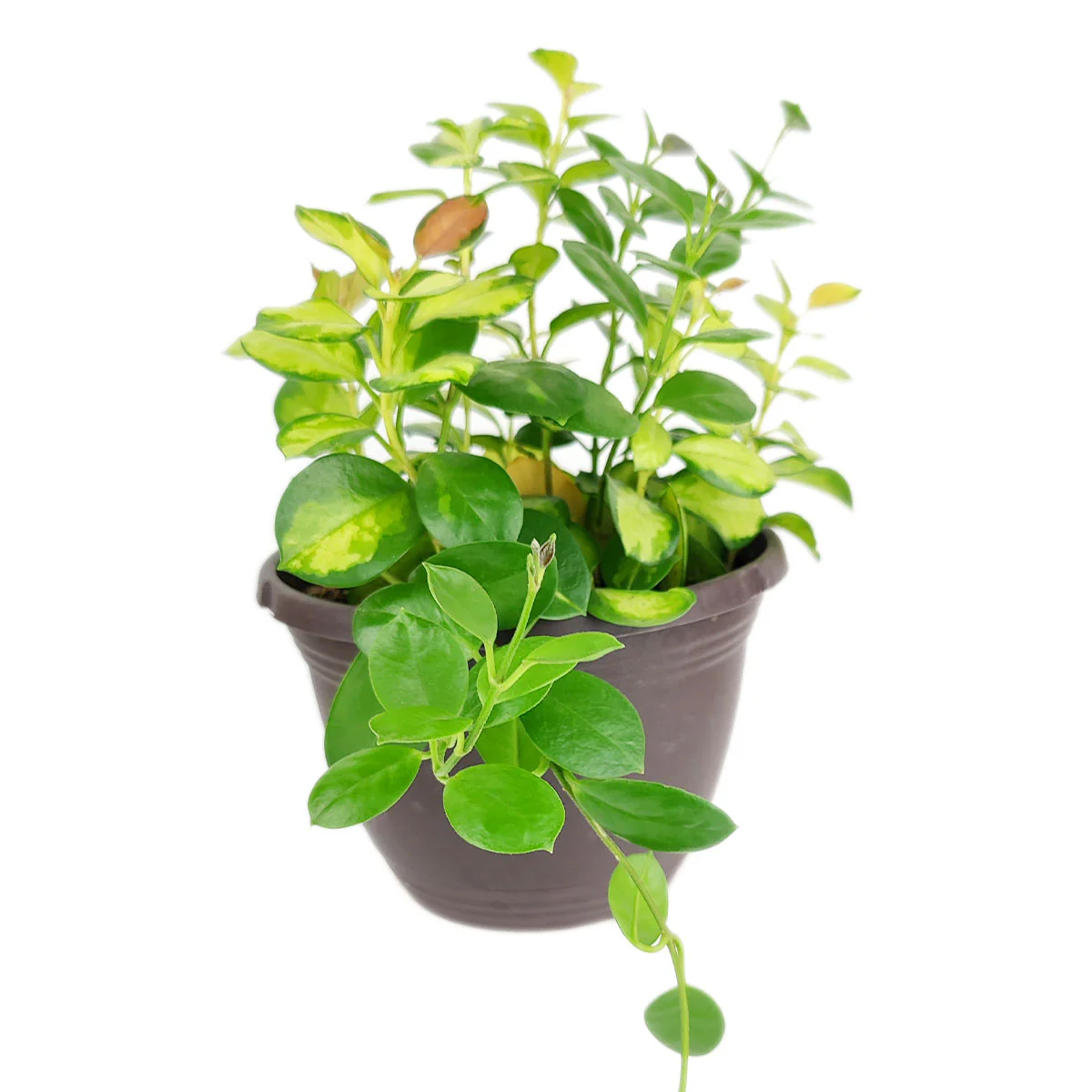
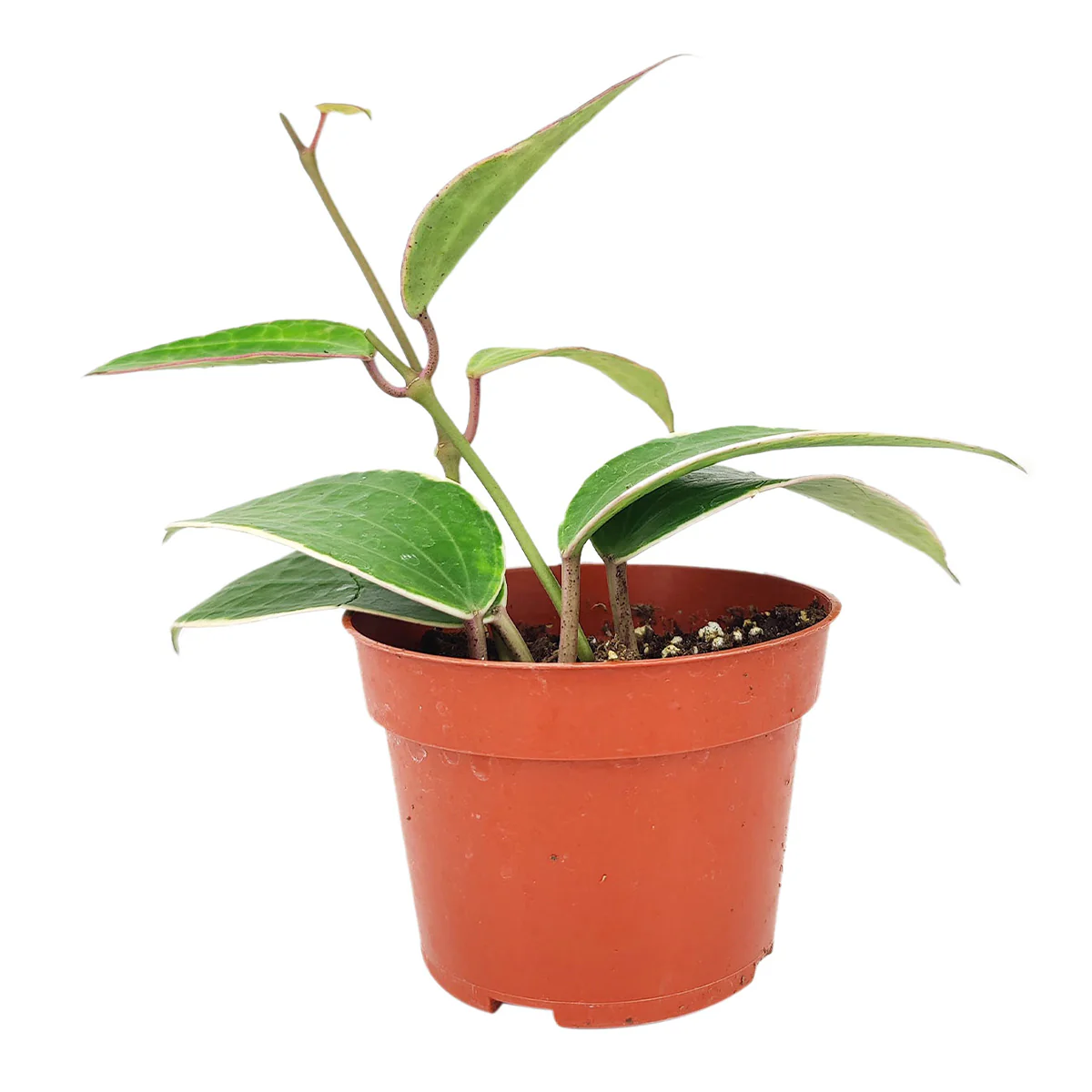
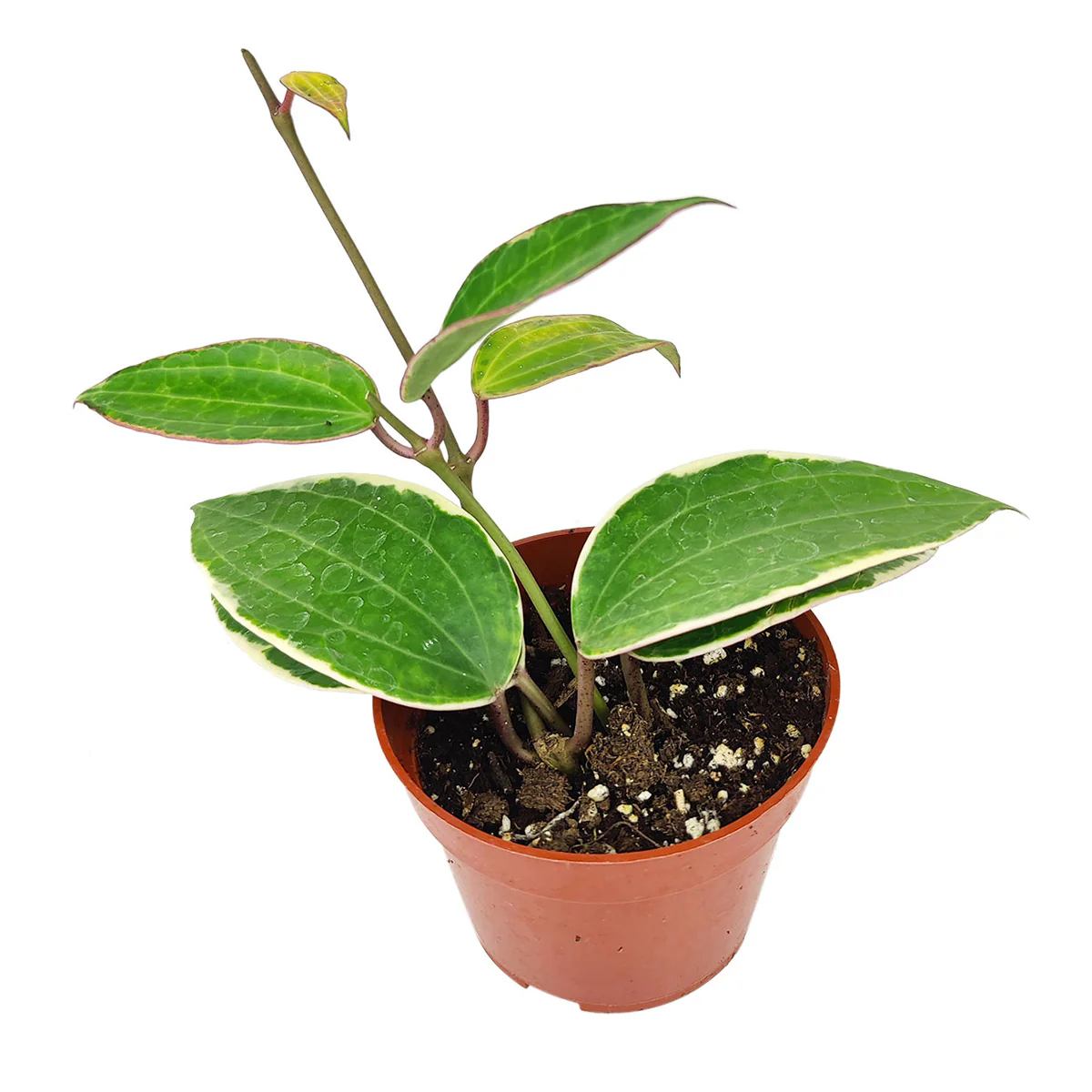
![]() Snake Plant ‘Jaboa’ is a rare and visually striking variety of Sansevieria, known for its broader, upright leaves and unique smudged light green patterns. Its bold foliage gives a modern, sculptural look, making it a perfect statement piece for indoor spaces. Like other snake plants, it is extremely hardy, air-purifying, and ideal for beginners.
Snake Plant ‘Jaboa’ is a rare and visually striking variety of Sansevieria, known for its broader, upright leaves and unique smudged light green patterns. Its bold foliage gives a modern, sculptural look, making it a perfect statement piece for indoor spaces. Like other snake plants, it is extremely hardy, air-purifying, and ideal for beginners.![]() Sansevieria trifasciata originates from West Africa, particularly regions of Nigeria and the Congo. The ‘Jaboa’ cultivar is a selectively grown variety prized for its unusual leaf shape and distinctive markings.
Sansevieria trifasciata originates from West Africa, particularly regions of Nigeria and the Congo. The ‘Jaboa’ cultivar is a selectively grown variety prized for its unusual leaf shape and distinctive markings.![]() Although primarily grown for its foliage, Snake Plant ‘Jaboa’ can occasionally produce delicate, fragrant flowers. These blooms are typically small, tubular, and creamy white to greenish in color. They often appear on tall spikes and release a subtle, sweet fragrance, especially at night. Flowering indoors is rare but can occur when the plant is slightly stressed or well-established.
Although primarily grown for its foliage, Snake Plant ‘Jaboa’ can occasionally produce delicate, fragrant flowers. These blooms are typically small, tubular, and creamy white to greenish in color. They often appear on tall spikes and release a subtle, sweet fragrance, especially at night. Flowering indoors is rare but can occur when the plant is slightly stressed or well-established.
-
![]() Thrives in bright, indirect light but is highly adaptable. It can tolerate low light conditions and even some direct sun, making it versatile for various indoor environments.
Thrives in bright, indirect light but is highly adaptable. It can tolerate low light conditions and even some direct sun, making it versatile for various indoor environments.![]() Water sparingly. Allow the soil to dry out completely between waterings. Overwatering is the most common cause of root rot, so it’s better to underwater than overwater.
Water sparingly. Allow the soil to dry out completely between waterings. Overwatering is the most common cause of root rot, so it’s better to underwater than overwater.![]() Use a well-draining soil mix, such as cactus or succulent soil. Good drainage is essential to prevent excess moisture around the roots.
Use a well-draining soil mix, such as cactus or succulent soil. Good drainage is essential to prevent excess moisture around the roots.![]() Prefers temperatures between 65–85°F (18–29°C). Avoid exposure to temperatures below 50°F (10°C), as it is not frost-tolerant.
Prefers temperatures between 65–85°F (18–29°C). Avoid exposure to temperatures below 50°F (10°C), as it is not frost-tolerant.![]() Slow to moderate grower. It maintains a compact, upright form and requires minimal pruning.
Slow to moderate grower. It maintains a compact, upright form and requires minimal pruning.![]()
-
![]() Best suited for USDA zones 9–11 outdoors. In most regions, it is grown as an indoor plant.
Best suited for USDA zones 9–11 outdoors. In most regions, it is grown as an indoor plant.
 Snake Plant ‘Jaboa’ is a rare and visually striking variety of Sansevieria, known for its broader, upright leaves and unique smudged light green patterns. Its bold foliage gives a modern, sculptural look, making it a perfect statement piece for indoor spaces. Like other snake plants, it is extremely hardy, air-purifying, and ideal for beginners.
 Sansevieria trifasciata originates from West Africa, particularly regions of Nigeria and the Congo. The ‘Jaboa’ cultivar is a selectively grown variety prized for its unusual leaf shape and distinctive markings.
 Thrives in bright, indirect light but is highly adaptable. It can tolerate low light conditions and even some direct sun, making it versatile for various indoor environments.
 Water sparingly. Allow the soil to dry out completely between waterings. Overwatering is the most common cause of root rot, so it’s better to underwater than overwater.
 Use a well-draining soil mix, such as cactus or succulent soil. Good drainage is essential to prevent excess moisture around the roots.
 Prefers temperatures between 65–85°F (18–29°C). Avoid exposure to temperatures below 50°F (10°C), as it is not frost-tolerant.
 Slow to moderate grower. It maintains a compact, upright form and requires minimal pruning.
 Best suited for USDA zones 9–11 outdoors. In most regions, it is grown as an indoor plant.
$12.30
Original: $40.99
-70%Snake Plant 'Jaboa'—
$40.99
$12.30Product Information
Product Information
Shipping & Returns
Shipping & Returns
Description
-
![]() Snake Plant ‘Jaboa’ is a rare and visually striking variety of Sansevieria, known for its broader, upright leaves and unique smudged light green patterns. Its bold foliage gives a modern, sculptural look, making it a perfect statement piece for indoor spaces. Like other snake plants, it is extremely hardy, air-purifying, and ideal for beginners.
Snake Plant ‘Jaboa’ is a rare and visually striking variety of Sansevieria, known for its broader, upright leaves and unique smudged light green patterns. Its bold foliage gives a modern, sculptural look, making it a perfect statement piece for indoor spaces. Like other snake plants, it is extremely hardy, air-purifying, and ideal for beginners.![]() Sansevieria trifasciata originates from West Africa, particularly regions of Nigeria and the Congo. The ‘Jaboa’ cultivar is a selectively grown variety prized for its unusual leaf shape and distinctive markings.
Sansevieria trifasciata originates from West Africa, particularly regions of Nigeria and the Congo. The ‘Jaboa’ cultivar is a selectively grown variety prized for its unusual leaf shape and distinctive markings.![]() Although primarily grown for its foliage, Snake Plant ‘Jaboa’ can occasionally produce delicate, fragrant flowers. These blooms are typically small, tubular, and creamy white to greenish in color. They often appear on tall spikes and release a subtle, sweet fragrance, especially at night. Flowering indoors is rare but can occur when the plant is slightly stressed or well-established.
Although primarily grown for its foliage, Snake Plant ‘Jaboa’ can occasionally produce delicate, fragrant flowers. These blooms are typically small, tubular, and creamy white to greenish in color. They often appear on tall spikes and release a subtle, sweet fragrance, especially at night. Flowering indoors is rare but can occur when the plant is slightly stressed or well-established.
-
![]() Thrives in bright, indirect light but is highly adaptable. It can tolerate low light conditions and even some direct sun, making it versatile for various indoor environments.
Thrives in bright, indirect light but is highly adaptable. It can tolerate low light conditions and even some direct sun, making it versatile for various indoor environments.![]() Water sparingly. Allow the soil to dry out completely between waterings. Overwatering is the most common cause of root rot, so it’s better to underwater than overwater.
Water sparingly. Allow the soil to dry out completely between waterings. Overwatering is the most common cause of root rot, so it’s better to underwater than overwater.![]() Use a well-draining soil mix, such as cactus or succulent soil. Good drainage is essential to prevent excess moisture around the roots.
Use a well-draining soil mix, such as cactus or succulent soil. Good drainage is essential to prevent excess moisture around the roots.![]() Prefers temperatures between 65–85°F (18–29°C). Avoid exposure to temperatures below 50°F (10°C), as it is not frost-tolerant.
Prefers temperatures between 65–85°F (18–29°C). Avoid exposure to temperatures below 50°F (10°C), as it is not frost-tolerant.![]() Slow to moderate grower. It maintains a compact, upright form and requires minimal pruning.
Slow to moderate grower. It maintains a compact, upright form and requires minimal pruning.![]()
-
![]() Best suited for USDA zones 9–11 outdoors. In most regions, it is grown as an indoor plant.
Best suited for USDA zones 9–11 outdoors. In most regions, it is grown as an indoor plant.