🚚 Free Worldwide Shipping on All Orders!Shop Now

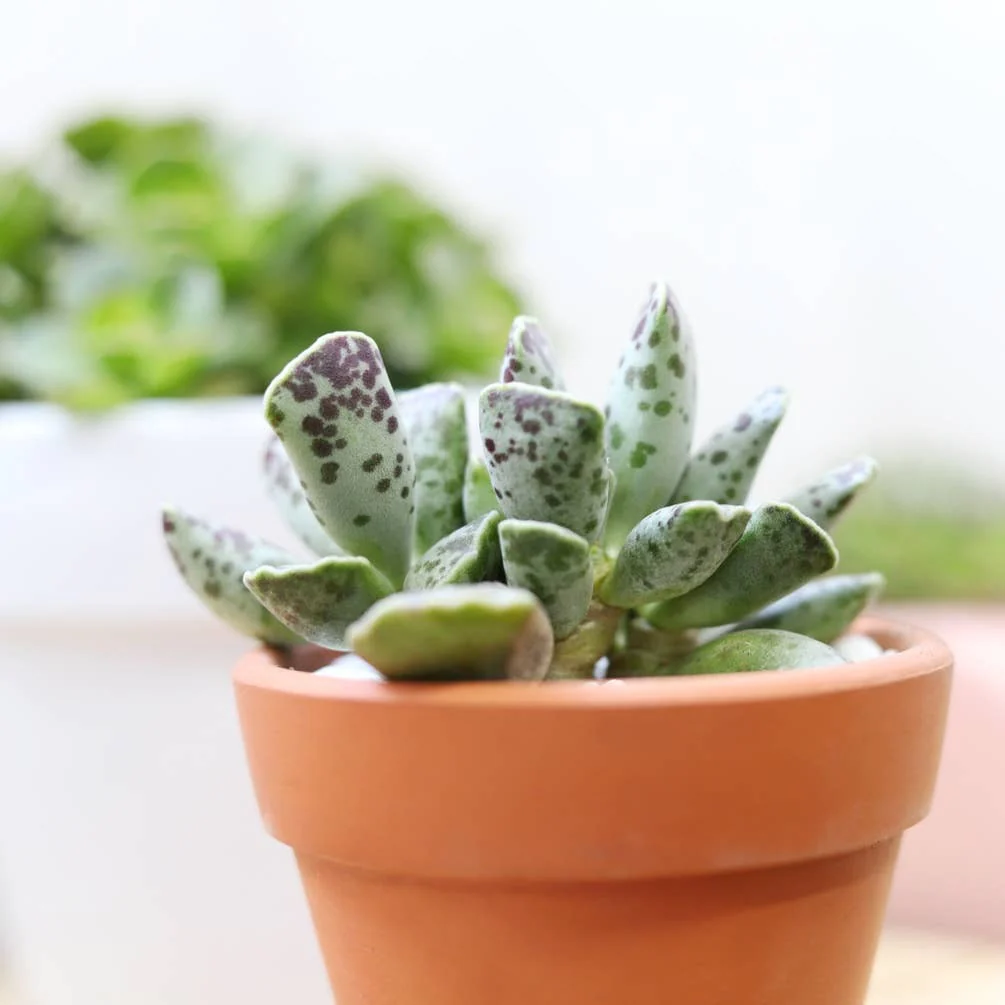


Plover Eggs Plant Adromischus Cooperi
-
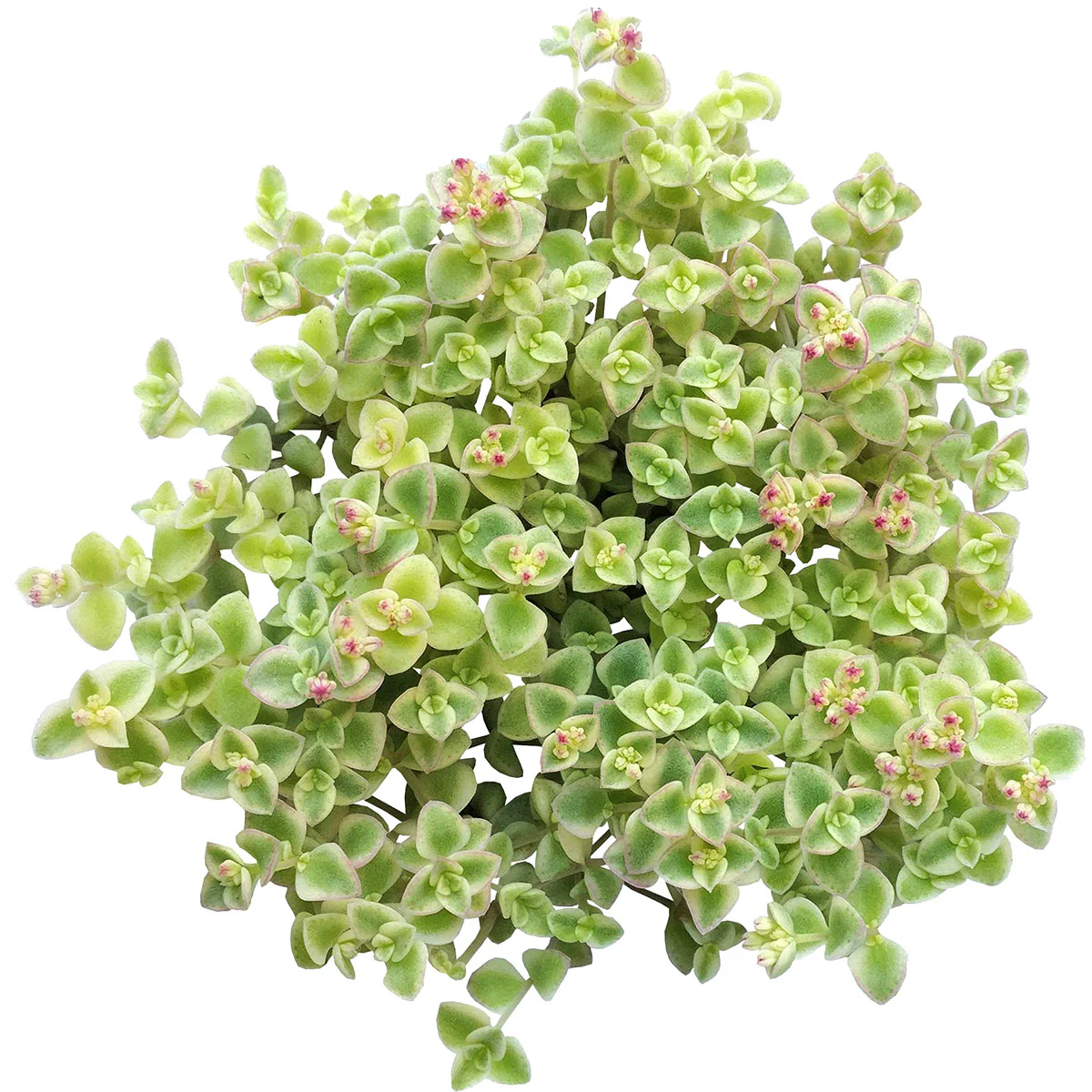
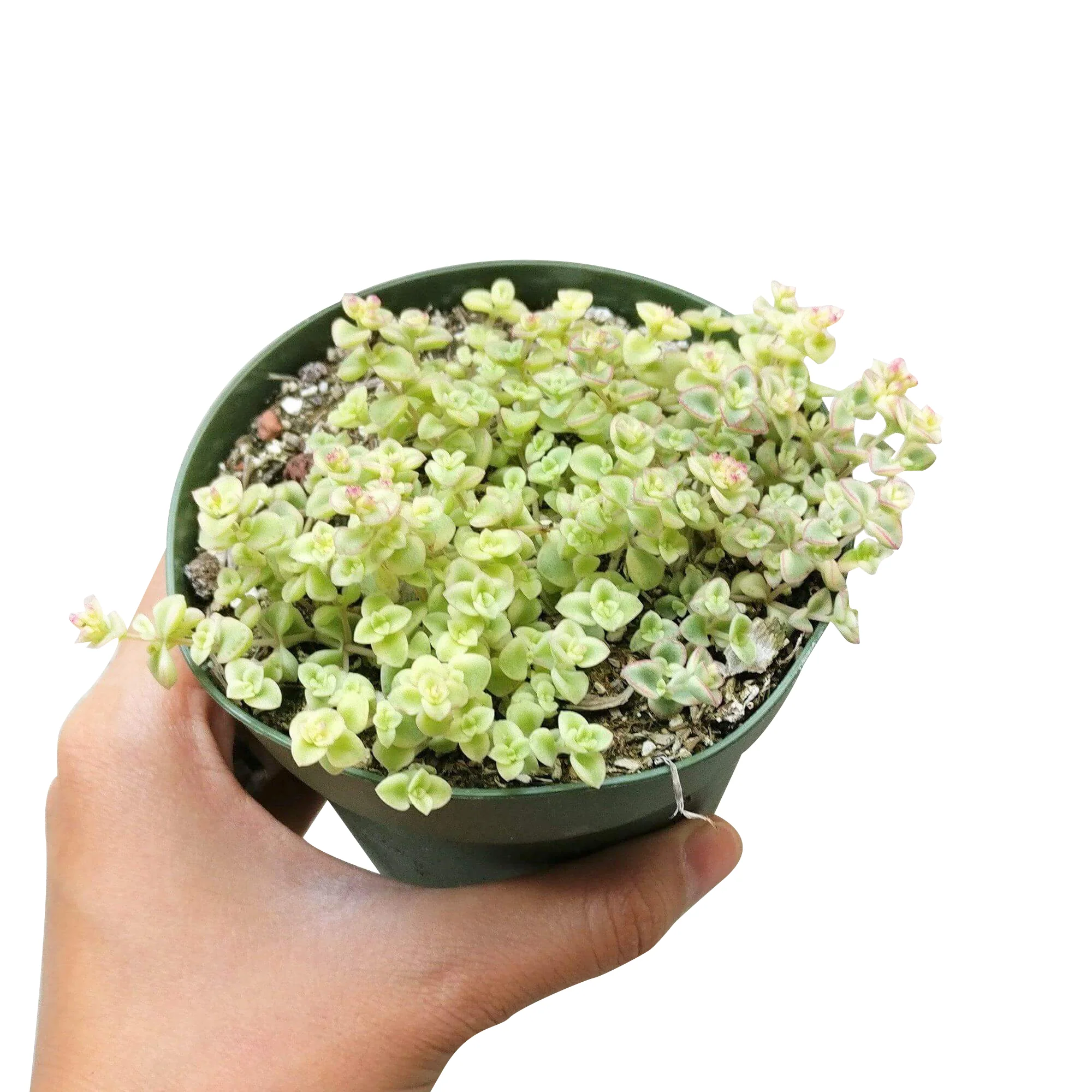
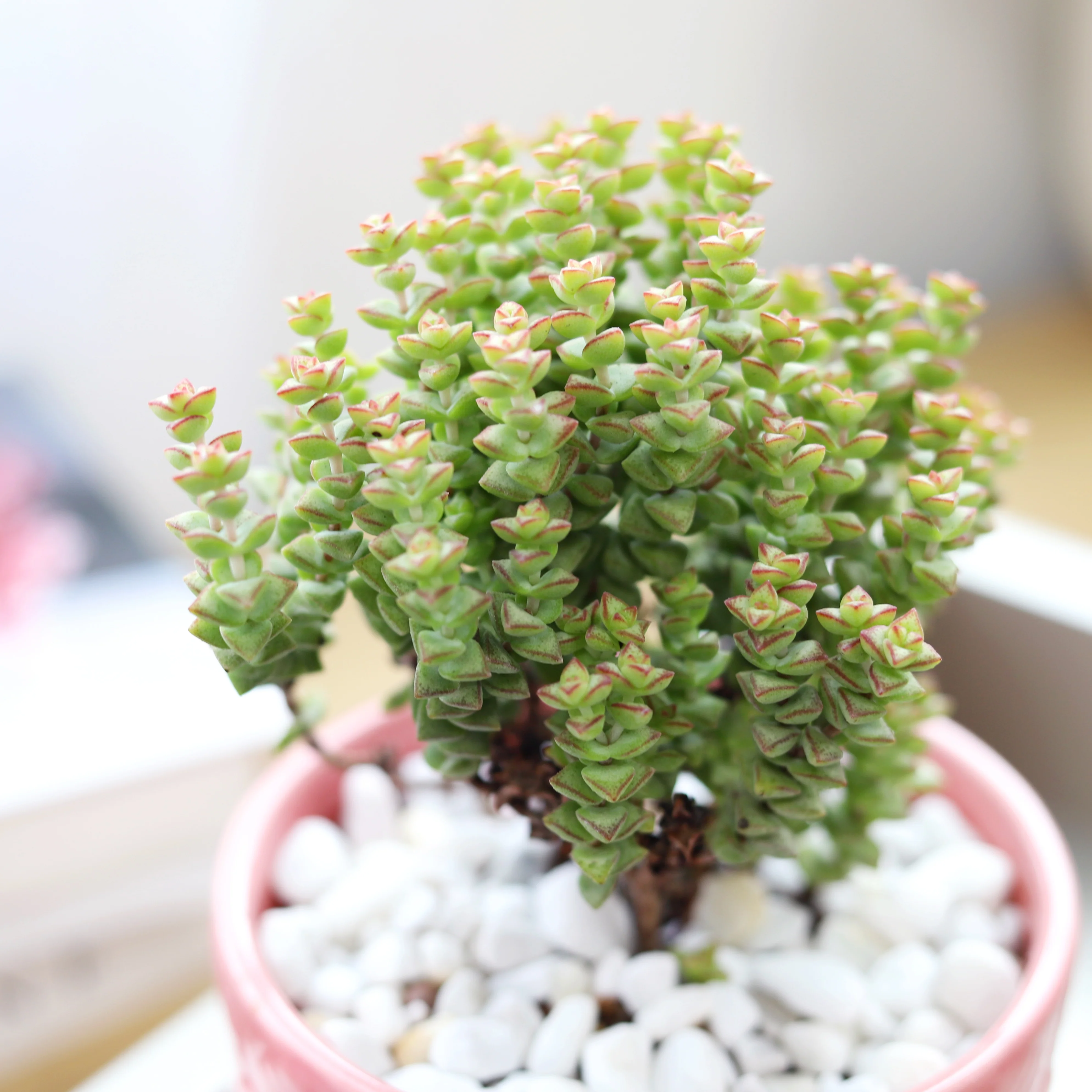
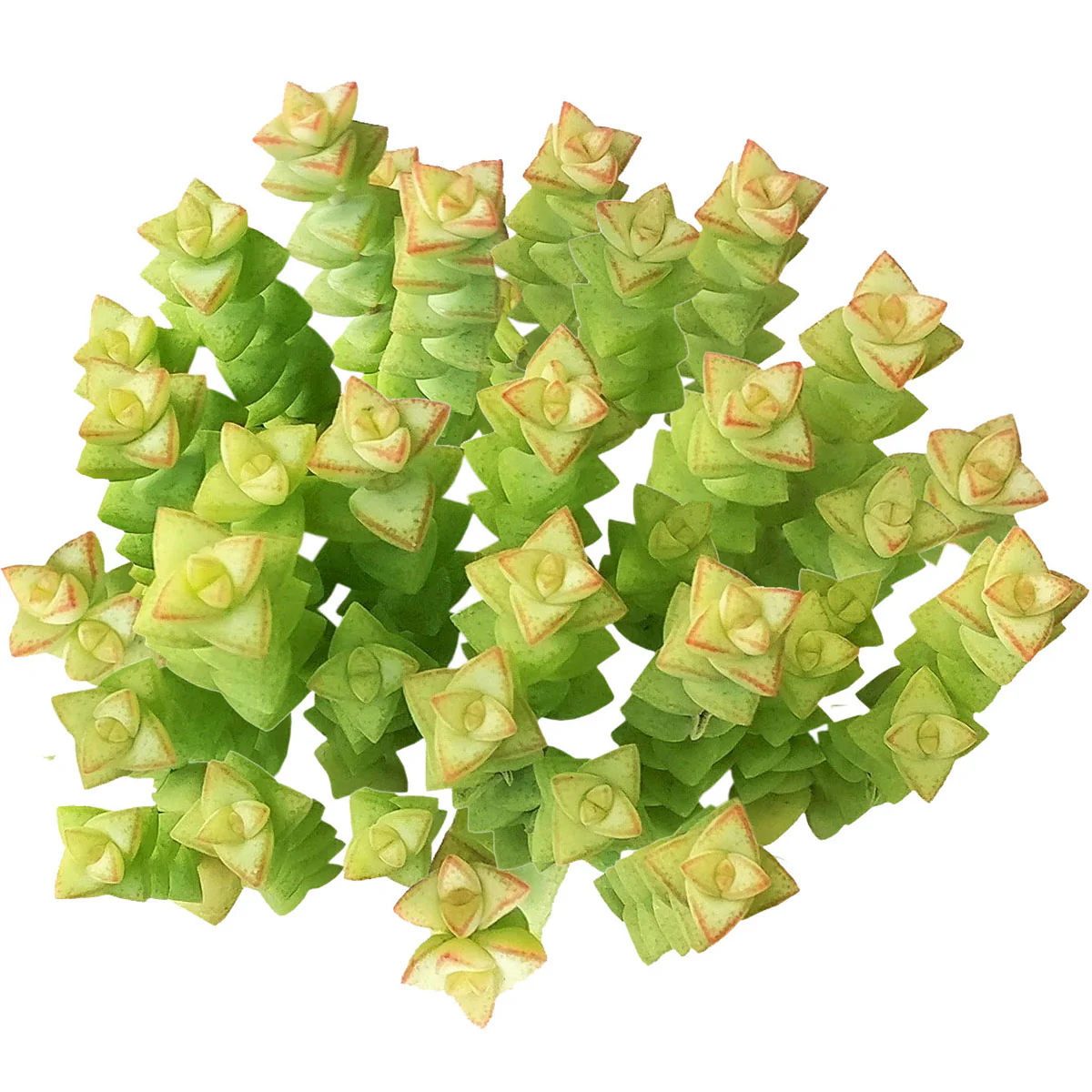
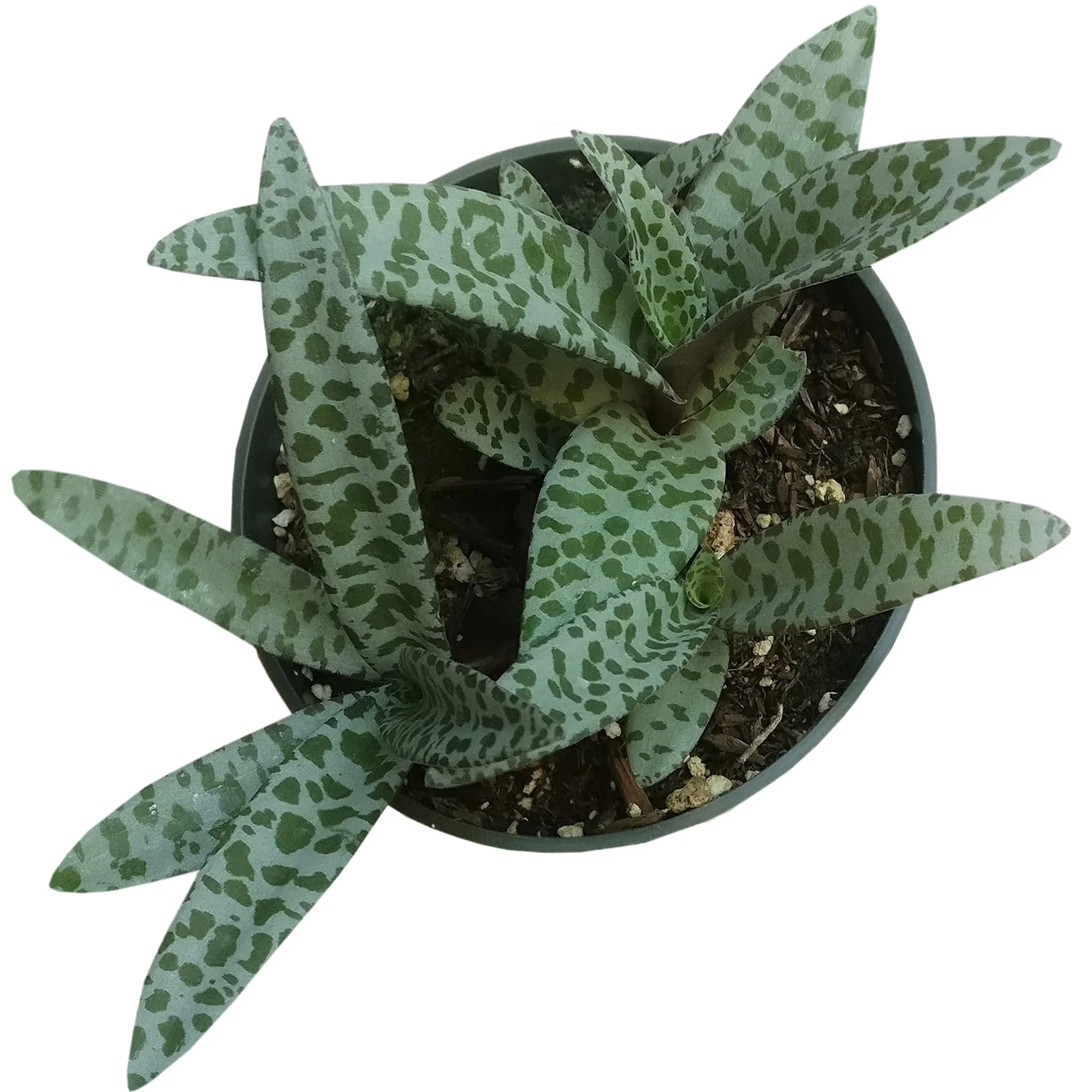
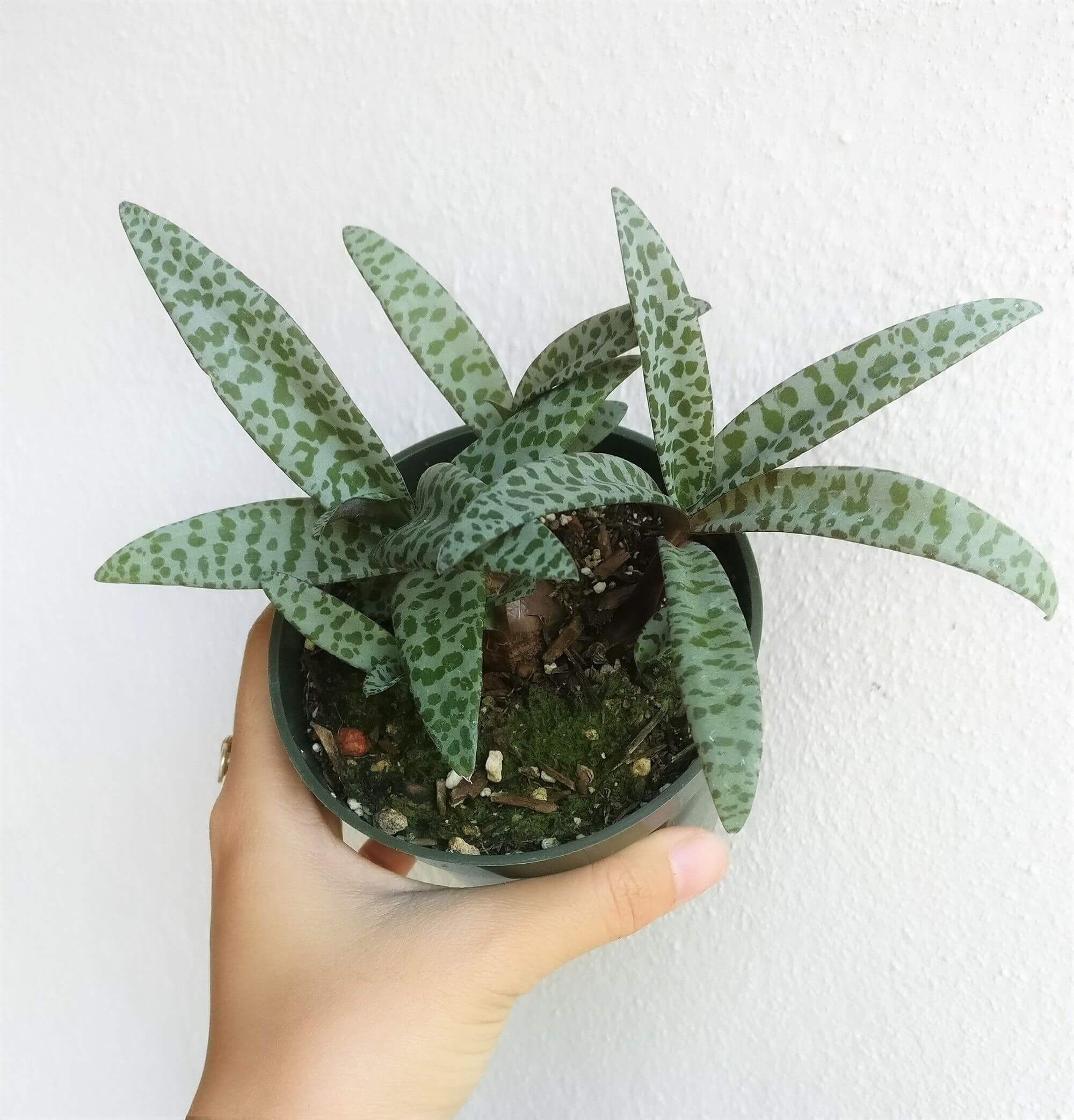
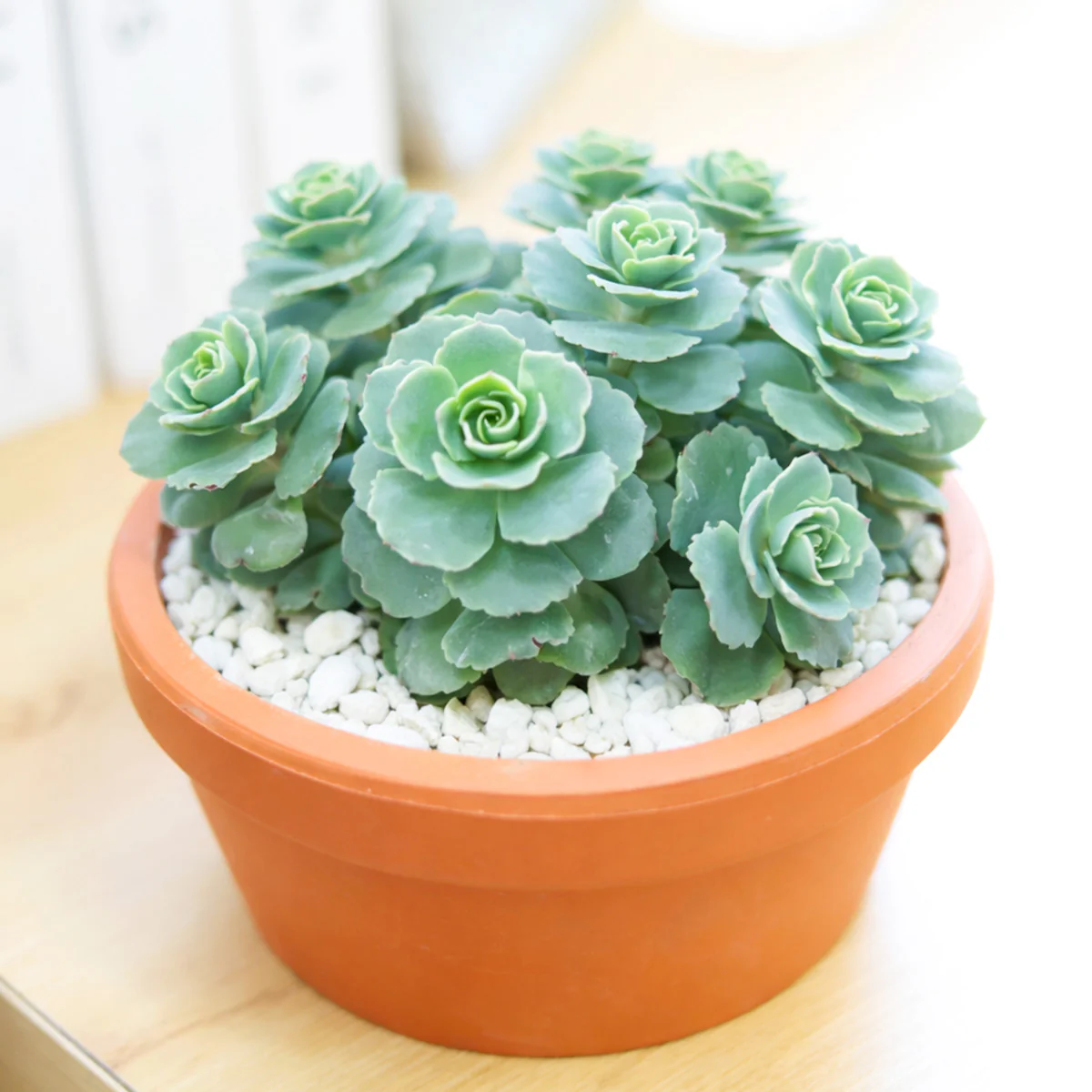
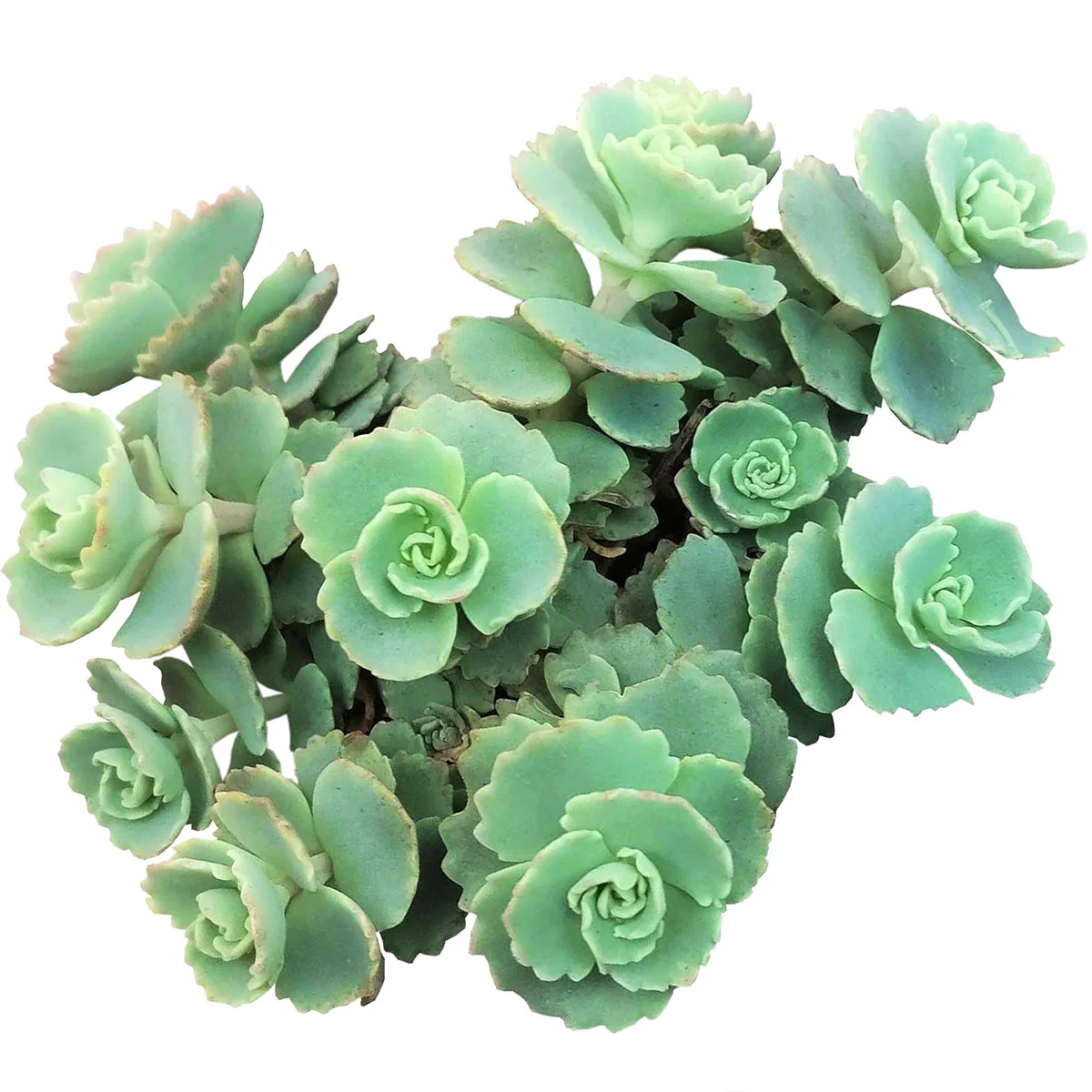
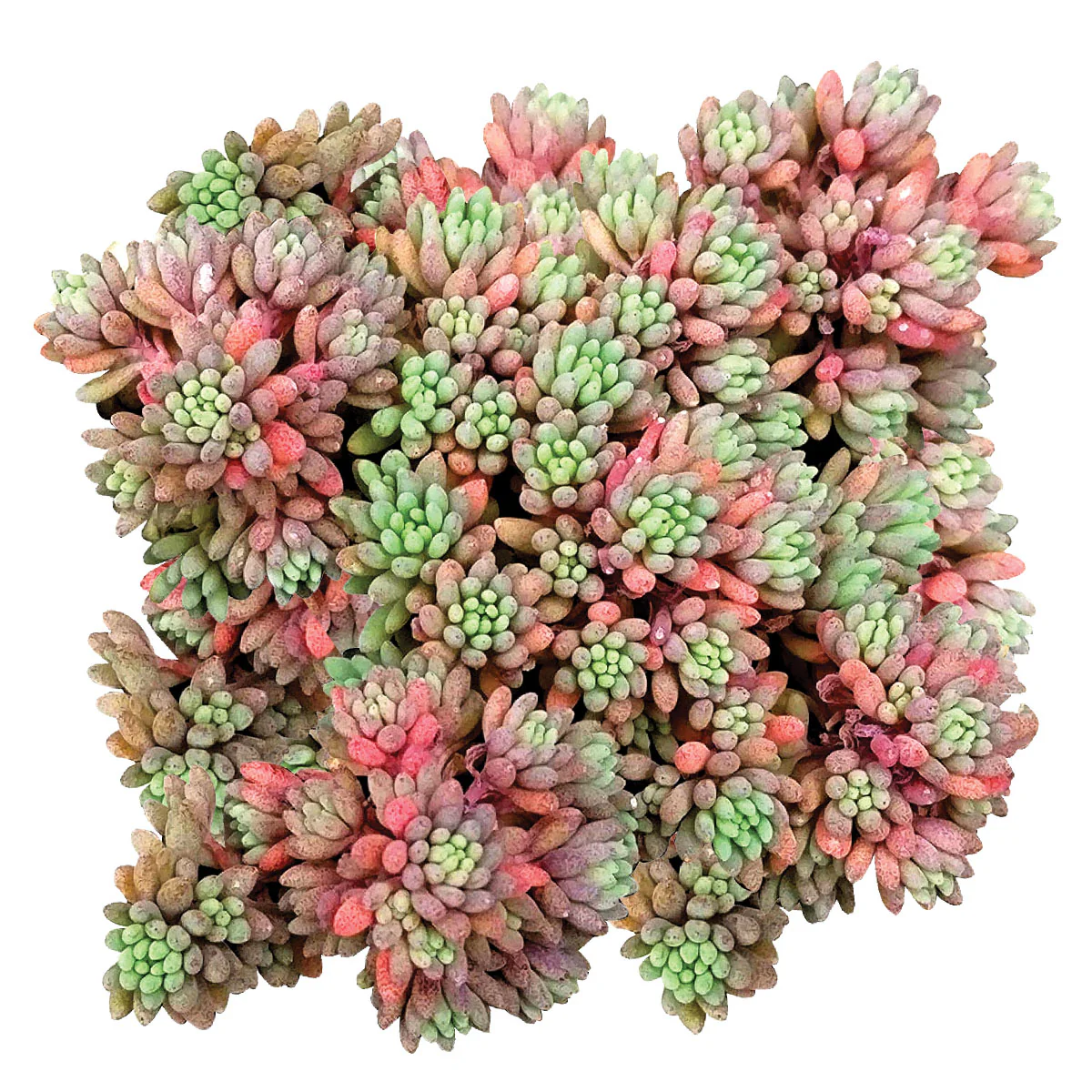
 Plover Eggs Plant (Adromischus cooperi) is slow-growing, perennial succulent characterized by thick, fleshy, "club-shaped" leaves with wavy, crinkled tips.
 While grown primarily for its foliage, the Plover Eggs Plant produces surprisingly tall, slender flower spikes (up to 10 inches long). The flowers themselves are small, tubular, and greenish-white with pinkish-red tips. They aren't showstoppers, but they add a delicate, alien-like contrast to the chunky base of the plant.
 Beyond its egg-like shape, the foliage features striking purple or reddish-brown mottling. No two leaves are exactly alike, and the intensity of the spots often deepens when the plant is "stressed" by bright sunlight.
 -
 Bright, indirect light.
 Well-draining cactus/succulent mix.
 Water deeply, then allow the soil to dry out completely. Reduce watering significantly in winter.
 Feed the plant once with a balanced fertilizer diluted to 25% strength during the growing season from May to October.
 Prefers 65°F to 80°F. It is not frost-hardy; keep it above 50°F to stay safe.
 -
 USDA Hardiness Zone 9b-11
Select Size
Select Style
From $8.79
Plover Eggs Plant Adromischus Cooperi—
$8.79
Product Information
Product Information
Shipping & Returns
Shipping & Returns
Description
-
Plover Eggs Plant (Adromischus cooperi) is slow-growing, perennial succulent characterized by thick, fleshy, "club-shaped" leaves with wavy, crinkled tips. While grown primarily for its foliage, the Plover Eggs Plant produces surprisingly tall, slender flower spikes (up to 10 inches long). The flowers themselves are small, tubular, and greenish-white with pinkish-red tips. They aren't showstoppers, but they add a delicate, alien-like contrast to the chunky base of the plant. Beyond its egg-like shape, the foliage features striking purple or reddish-brown mottling. No two leaves are exactly alike, and the intensity of the spots often deepens when the plant is "stressed" by bright sunlight.
-
Bright, indirect light. Well-draining cactus/succulent mix. Water deeply, then allow the soil to dry out completely. Reduce watering significantly in winter. Feed the plant once with a balanced fertilizer diluted to 25% strength during the growing season from May to October. Prefers 65°F to 80°F. It is not frost-hardy; keep it above 50°F to stay safe.
-
USDA Hardiness Zone 9b-11