🚚 Free Worldwide Shipping on All Orders!Shop Now



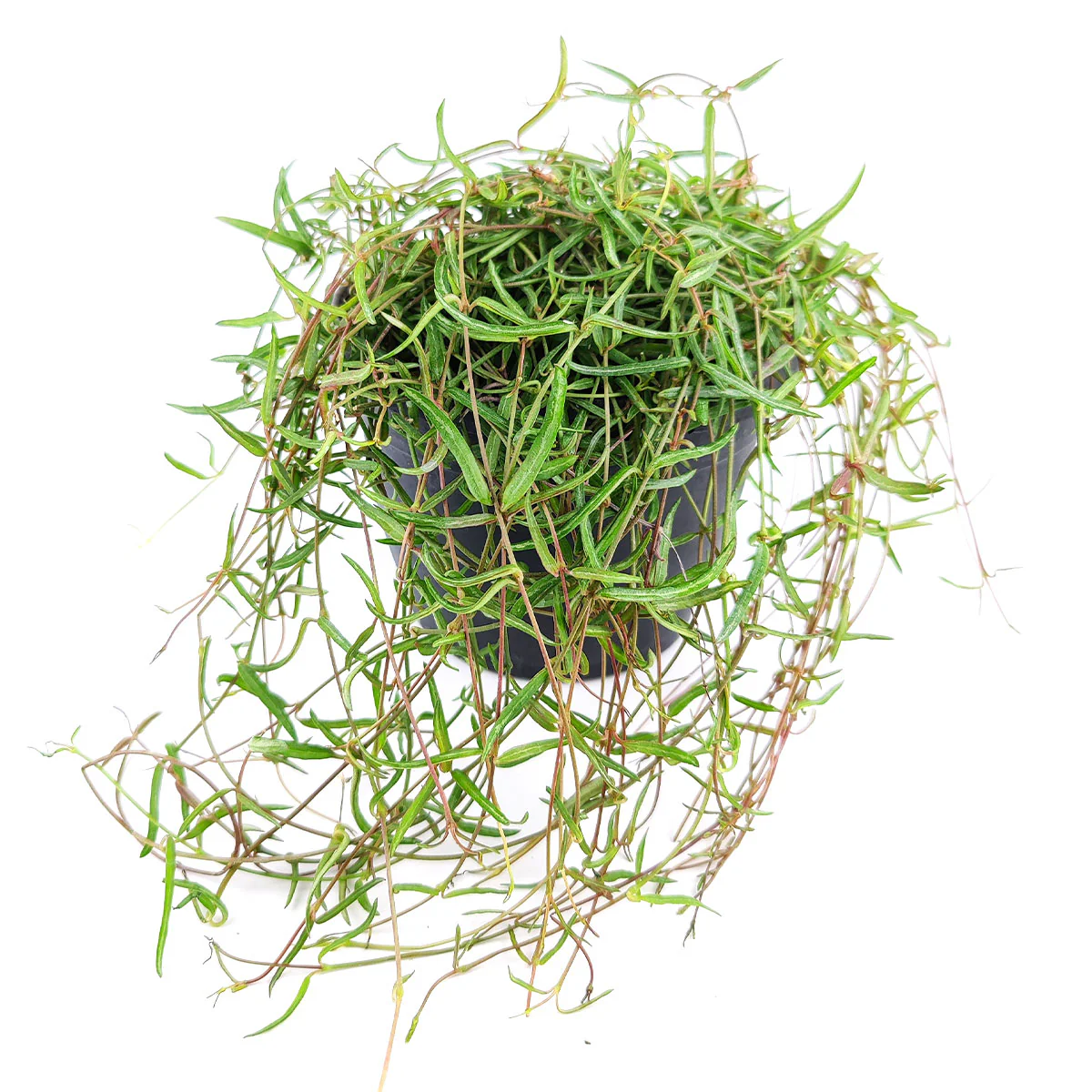
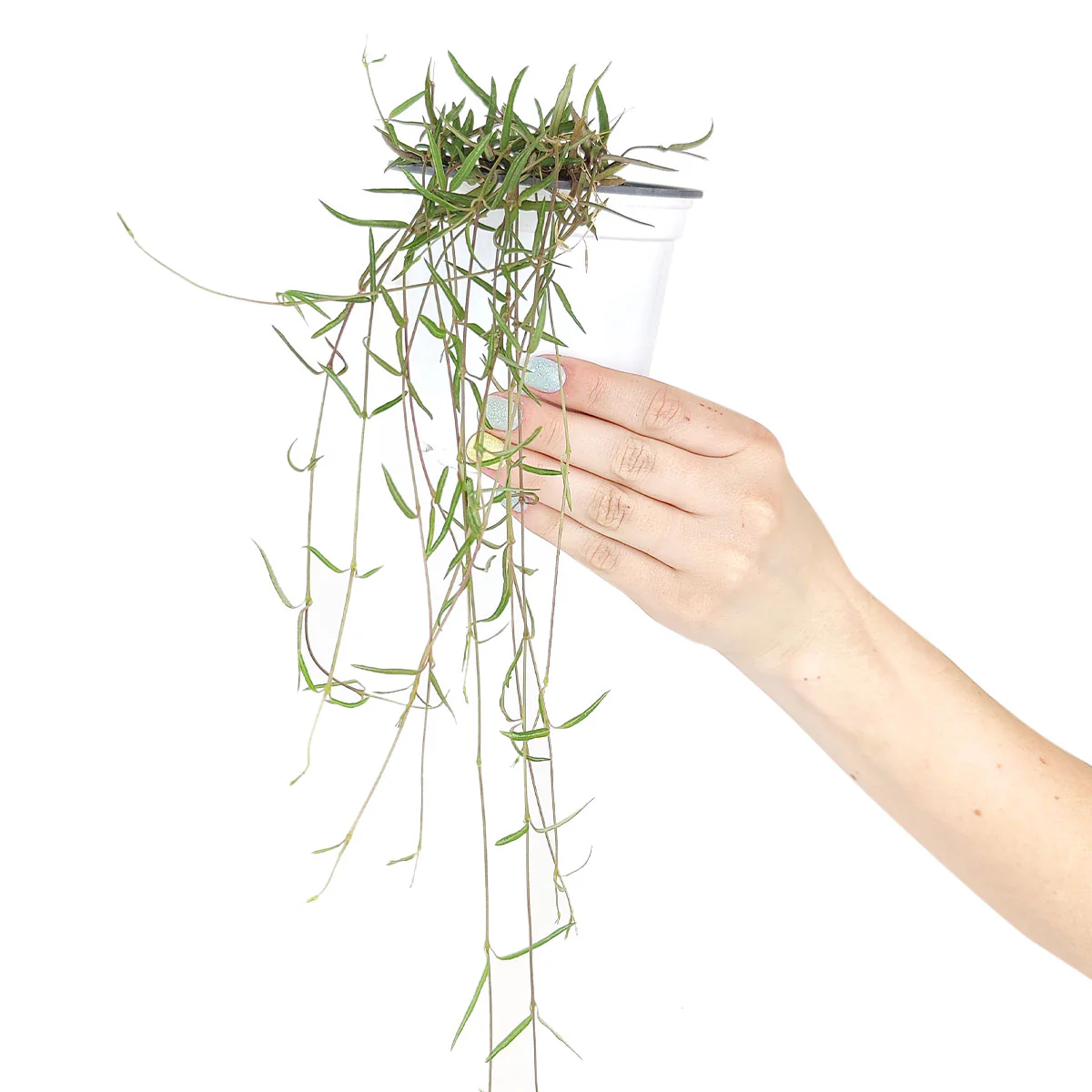
Philodendron ‘Lickety Split'
-
![]() This variety is celebrated for its impressive stature and stunning, deeply lobed and dissected leaves that give it a feather-like, architectural appearance. The sheer size of the leaves is notable, while they can reach almost 5 feet outdoors in ideal conditions, they still grow quite large indoors, giving a lively, tropical feel to any room. It is a hardy, upright plant that forms a trunk over time.
This variety is celebrated for its impressive stature and stunning, deeply lobed and dissected leaves that give it a feather-like, architectural appearance. The sheer size of the leaves is notable, while they can reach almost 5 feet outdoors in ideal conditions, they still grow quite large indoors, giving a lively, tropical feel to any room. It is a hardy, upright plant that forms a trunk over time.![]() This plant is a hardy native of the tropical regions of South America, flourishing in warm, humid environments.
This plant is a hardy native of the tropical regions of South America, flourishing in warm, humid environments.![]() Like other Araceae family members, the P. bipinnatifidum produces an inflorescence consisting of a cream-colored spathe and spadix. These flowers are rarely seen when the plant is grown indoors but may appear on mature outdoor specimens during the growing season.
Like other Araceae family members, the P. bipinnatifidum produces an inflorescence consisting of a cream-colored spathe and spadix. These flowers are rarely seen when the plant is grown indoors but may appear on mature outdoor specimens during the growing season.
-
![]() Medium to Bright, Indirect Light. This plant thrives best and maintains its dense, split foliage in this condition. It does not do well in low light spaces. It can tolerate very high light but may require additional watering.
Medium to Bright, Indirect Light. This plant thrives best and maintains its dense, split foliage in this condition. It does not do well in low light spaces. It can tolerate very high light but may require additional watering.![]() Water Moderately. Allow the top $1$ to $2$ inches of soil to dry out before watering thoroughly. It prefers soil to be consistently moist but is susceptible to root rot if overwatered.
Water Moderately. Allow the top $1$ to $2$ inches of soil to dry out before watering thoroughly. It prefers soil to be consistently moist but is susceptible to root rot if overwatered.![]() Needs a rich, well-aerated, and well-draining soil mix. Use a quality potting mix amended with perlite, peat moss, or coco coir.
Needs a rich, well-aerated, and well-draining soil mix. Use a quality potting mix amended with perlite, peat moss, or coco coir.
![]() This plant can adapt to most typical indoor environments with temperatures ranging from 65°F to 80°F. Avoid exposing it to temperatures below 50°F or sudden temperature fluctuations. It needs moderate humidity levels (about 40-50% or higher). If you live in a dry environment, consider using a humidifier, misting the plant occasionally, or using a humidity tray to maintain adequate moisture.
This plant can adapt to most typical indoor environments with temperatures ranging from 65°F to 80°F. Avoid exposing it to temperatures below 50°F or sudden temperature fluctuations. It needs moderate humidity levels (about 40-50% or higher). If you live in a dry environment, consider using a humidifier, misting the plant occasionally, or using a humidity tray to maintain adequate moisture.![]() Feed your plant with a balanced, water-soluble fertilizer during the growing season (spring and summer) about once a month. Reduce or cease fertilization during the dormant winter months.
Feed your plant with a balanced, water-soluble fertilizer during the growing season (spring and summer) about once a month. Reduce or cease fertilization during the dormant winter months.
![]() Toxic if ingested. Like most Philodendrons, it contains calcium oxalate crystals. Ensure it is placed out of reach of pets and small children.
Toxic if ingested. Like most Philodendrons, it contains calcium oxalate crystals. Ensure it is placed out of reach of pets and small children.
-
![]() Typically Zones 9–11. Best grown indoors as a houseplant in most areas.
Typically Zones 9–11. Best grown indoors as a houseplant in most areas.


 Medium to Bright, Indirect Light. This plant thrives best and maintains its dense, split foliage in this condition. It does not do well in low light spaces. It can tolerate very high light but may require additional watering.
 Water Moderately. Allow the top
  Needs a rich, well-aerated, and well-draining soil mix. Use a quality potting mix amended with perlite, peat moss, or coco coir.
 This plant can adapt to most typical indoor environments with temperatures ranging from 65°F to 80°F. Avoid exposing it to temperatures below 50°F or sudden temperature fluctuations. It needs moderate humidity levels (about 40-50% or higher). If you live in a dry environment, consider using a humidifier, misting the plant occasionally, or using a humidity tray to maintain adequate moisture.
 Toxic if ingested. Like most Philodendrons, it contains calcium oxalate crystals. Ensure it is placed out of reach of pets and small children.
 Typically Zones 9–11. Best grown indoors as a houseplant in most areas.
$27.96
Original: $93.20
-70%Philodendron ‘Lickety Split'—
$93.20
$27.96Product Information
Product Information
Shipping & Returns
Shipping & Returns
Description
-
![]() This variety is celebrated for its impressive stature and stunning, deeply lobed and dissected leaves that give it a feather-like, architectural appearance. The sheer size of the leaves is notable, while they can reach almost 5 feet outdoors in ideal conditions, they still grow quite large indoors, giving a lively, tropical feel to any room. It is a hardy, upright plant that forms a trunk over time.
This variety is celebrated for its impressive stature and stunning, deeply lobed and dissected leaves that give it a feather-like, architectural appearance. The sheer size of the leaves is notable, while they can reach almost 5 feet outdoors in ideal conditions, they still grow quite large indoors, giving a lively, tropical feel to any room. It is a hardy, upright plant that forms a trunk over time.![]() This plant is a hardy native of the tropical regions of South America, flourishing in warm, humid environments.
This plant is a hardy native of the tropical regions of South America, flourishing in warm, humid environments.![]() Like other Araceae family members, the P. bipinnatifidum produces an inflorescence consisting of a cream-colored spathe and spadix. These flowers are rarely seen when the plant is grown indoors but may appear on mature outdoor specimens during the growing season.
Like other Araceae family members, the P. bipinnatifidum produces an inflorescence consisting of a cream-colored spathe and spadix. These flowers are rarely seen when the plant is grown indoors but may appear on mature outdoor specimens during the growing season.
-
![]() Medium to Bright, Indirect Light. This plant thrives best and maintains its dense, split foliage in this condition. It does not do well in low light spaces. It can tolerate very high light but may require additional watering.
Medium to Bright, Indirect Light. This plant thrives best and maintains its dense, split foliage in this condition. It does not do well in low light spaces. It can tolerate very high light but may require additional watering.![]() Water Moderately. Allow the top $1$ to $2$ inches of soil to dry out before watering thoroughly. It prefers soil to be consistently moist but is susceptible to root rot if overwatered.
Water Moderately. Allow the top $1$ to $2$ inches of soil to dry out before watering thoroughly. It prefers soil to be consistently moist but is susceptible to root rot if overwatered.![]() Needs a rich, well-aerated, and well-draining soil mix. Use a quality potting mix amended with perlite, peat moss, or coco coir.
Needs a rich, well-aerated, and well-draining soil mix. Use a quality potting mix amended with perlite, peat moss, or coco coir.
![]() This plant can adapt to most typical indoor environments with temperatures ranging from 65°F to 80°F. Avoid exposing it to temperatures below 50°F or sudden temperature fluctuations. It needs moderate humidity levels (about 40-50% or higher). If you live in a dry environment, consider using a humidifier, misting the plant occasionally, or using a humidity tray to maintain adequate moisture.
This plant can adapt to most typical indoor environments with temperatures ranging from 65°F to 80°F. Avoid exposing it to temperatures below 50°F or sudden temperature fluctuations. It needs moderate humidity levels (about 40-50% or higher). If you live in a dry environment, consider using a humidifier, misting the plant occasionally, or using a humidity tray to maintain adequate moisture.![]() Feed your plant with a balanced, water-soluble fertilizer during the growing season (spring and summer) about once a month. Reduce or cease fertilization during the dormant winter months.
Feed your plant with a balanced, water-soluble fertilizer during the growing season (spring and summer) about once a month. Reduce or cease fertilization during the dormant winter months.
![]() Toxic if ingested. Like most Philodendrons, it contains calcium oxalate crystals. Ensure it is placed out of reach of pets and small children.
Toxic if ingested. Like most Philodendrons, it contains calcium oxalate crystals. Ensure it is placed out of reach of pets and small children.
-
![]() Typically Zones 9–11. Best grown indoors as a houseplant in most areas.
Typically Zones 9–11. Best grown indoors as a houseplant in most areas.