🚚 Free Worldwide Shipping on All Orders!Shop Now



Peperomia Ecuador
-
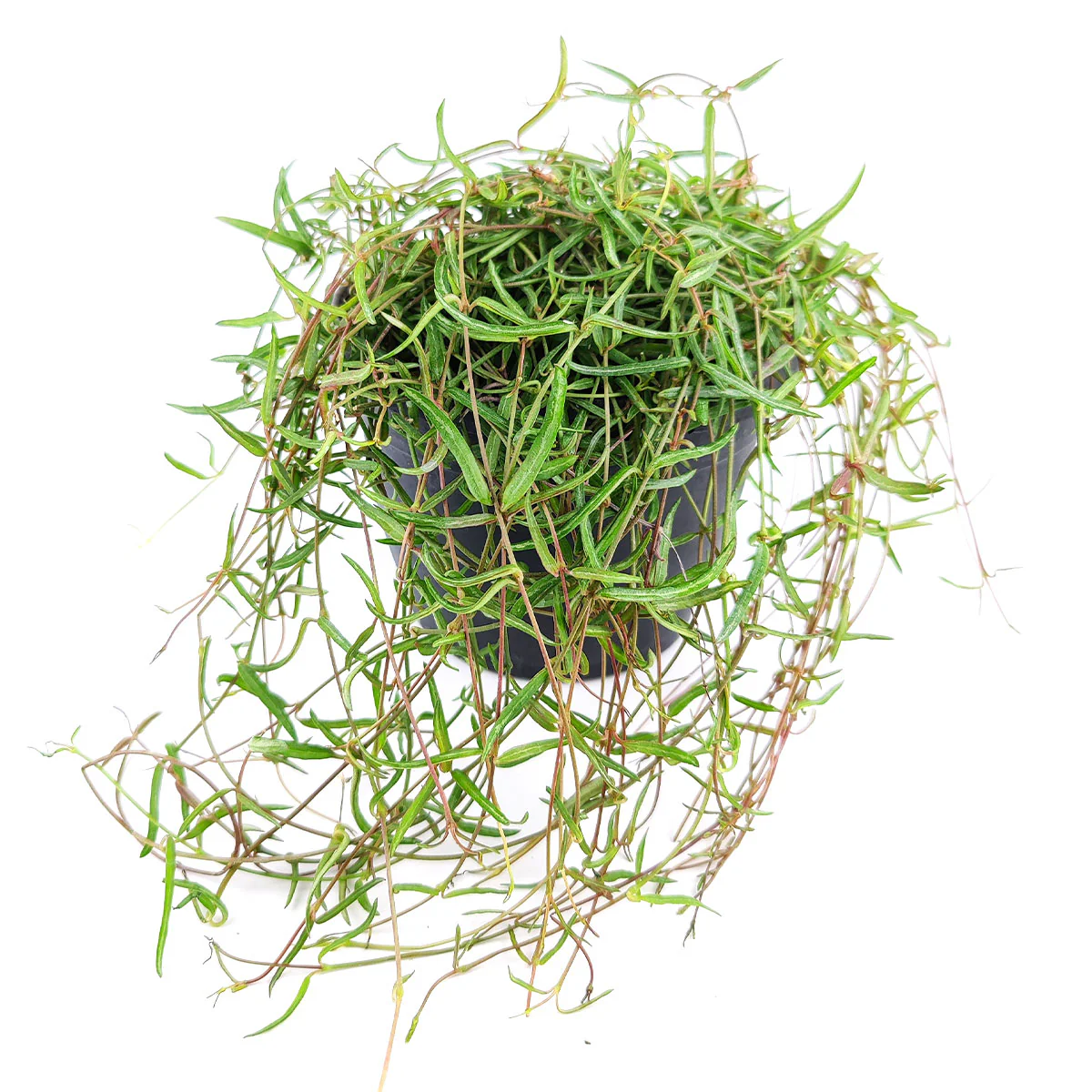
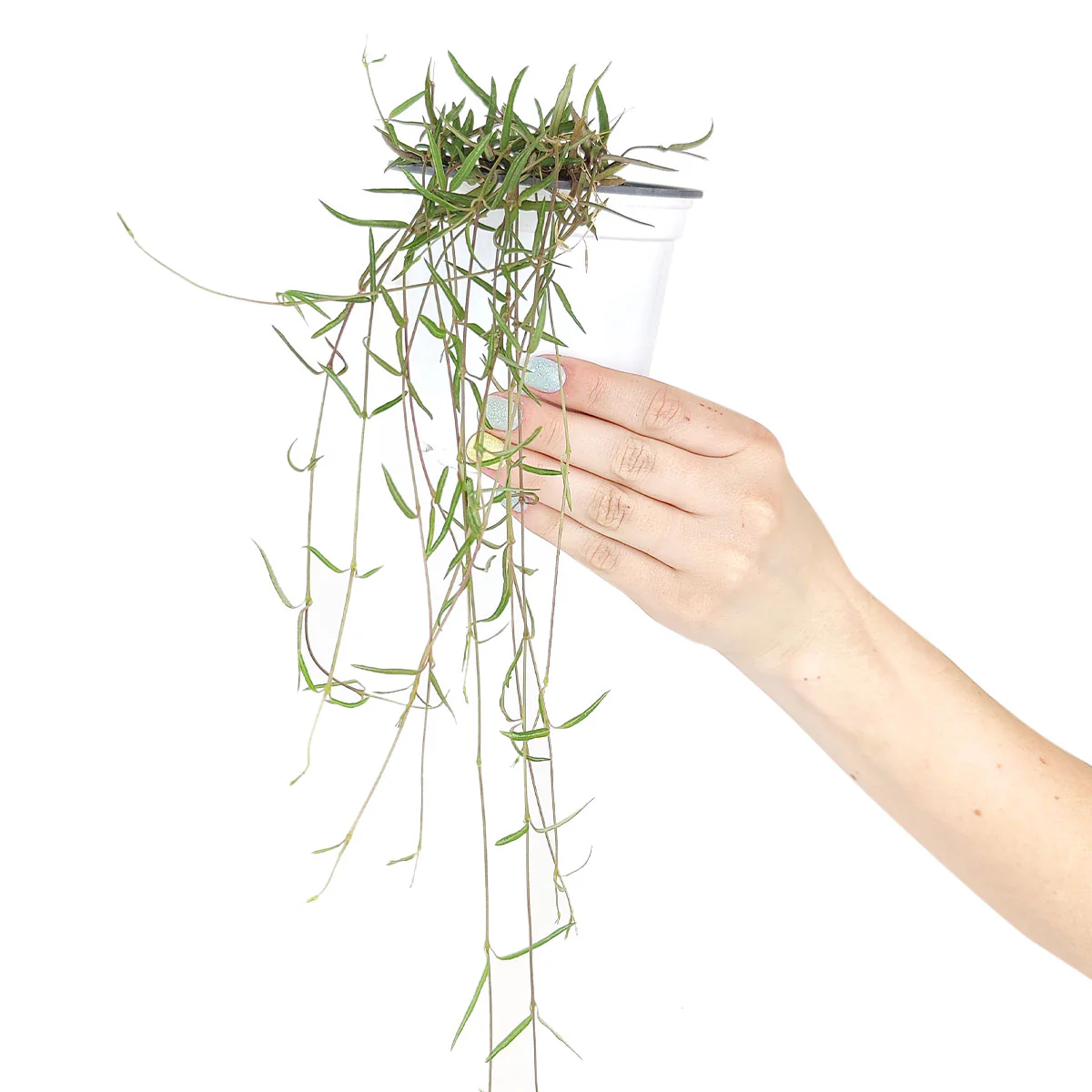
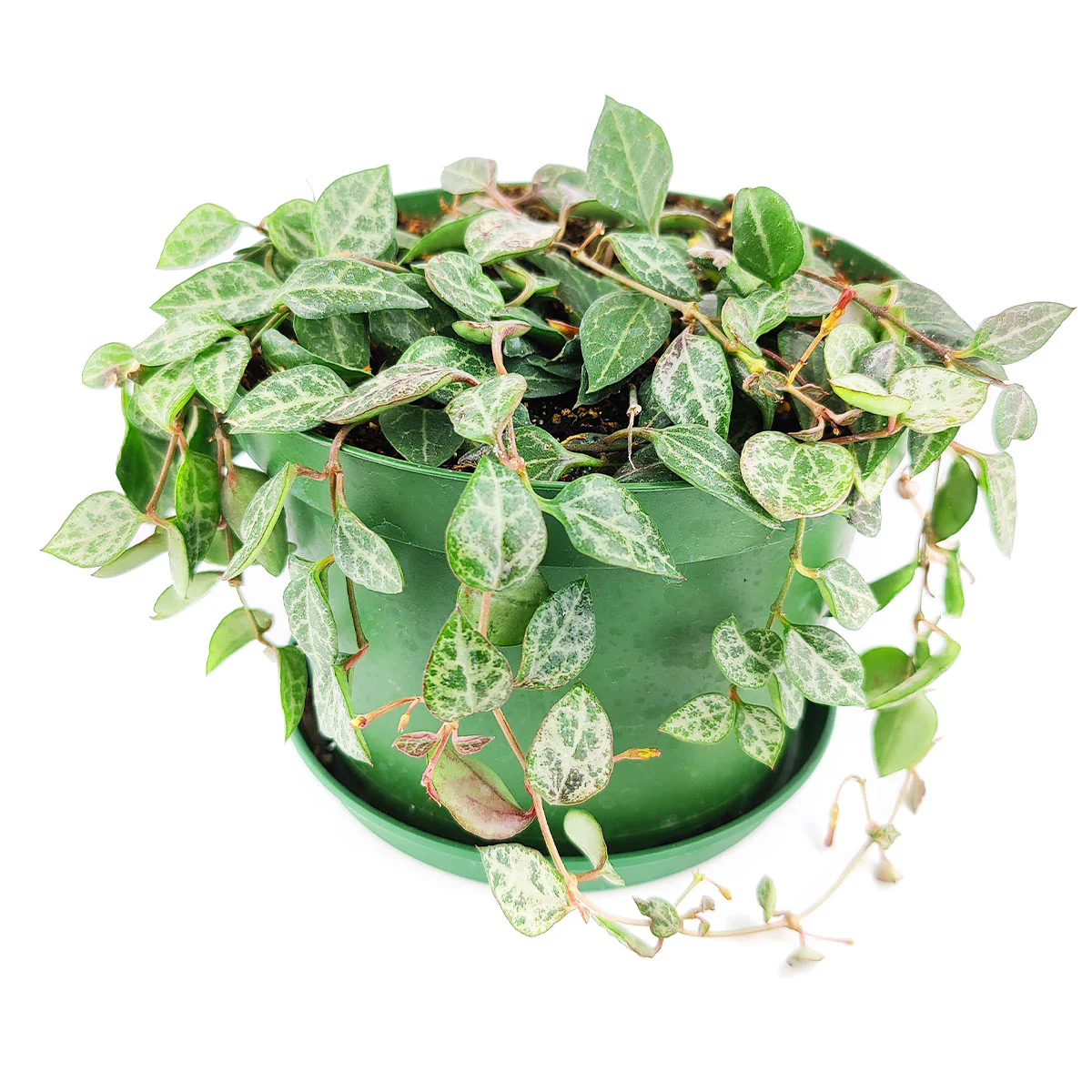
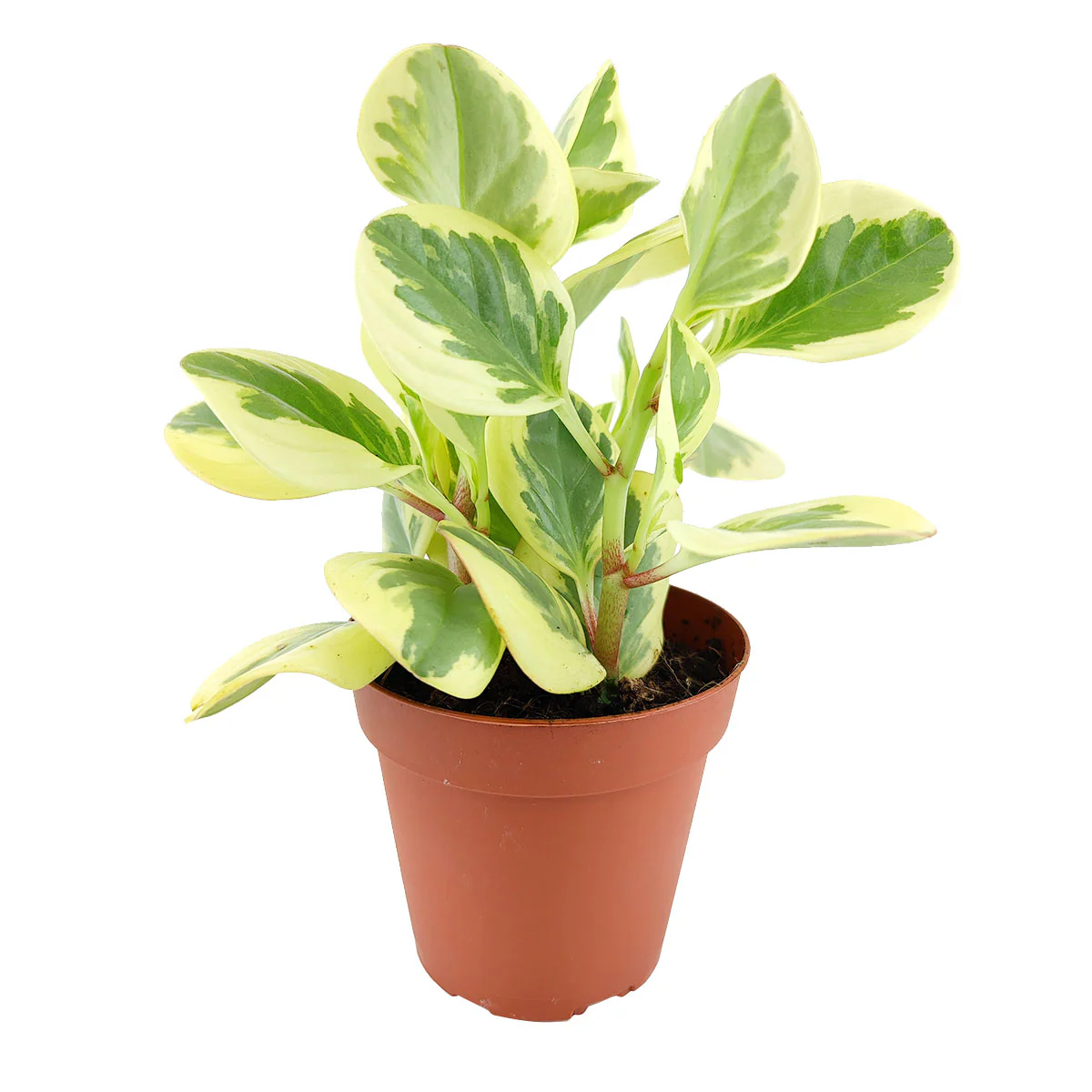
![]() The Peperomia 'Ecuador' is a stunning and relatively rare variety known for its dense, colorful foliage and attractive trailing growth habit, making it an excellent choice for shelves or hanging baskets. As the name suggests, this plant is native to the Andean regions of South America, including Ecuador, where it naturally grows in moist, shaded forest understories.
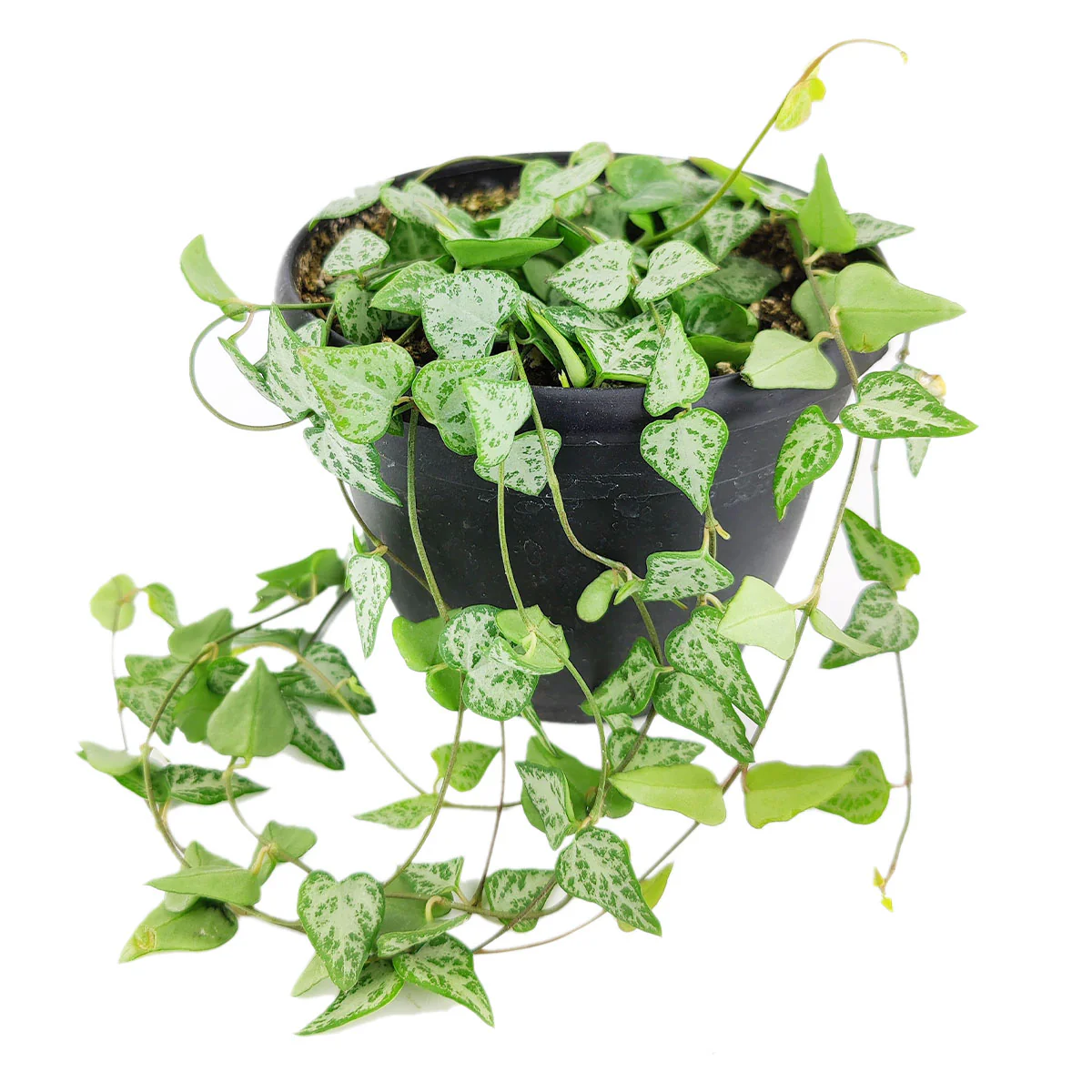
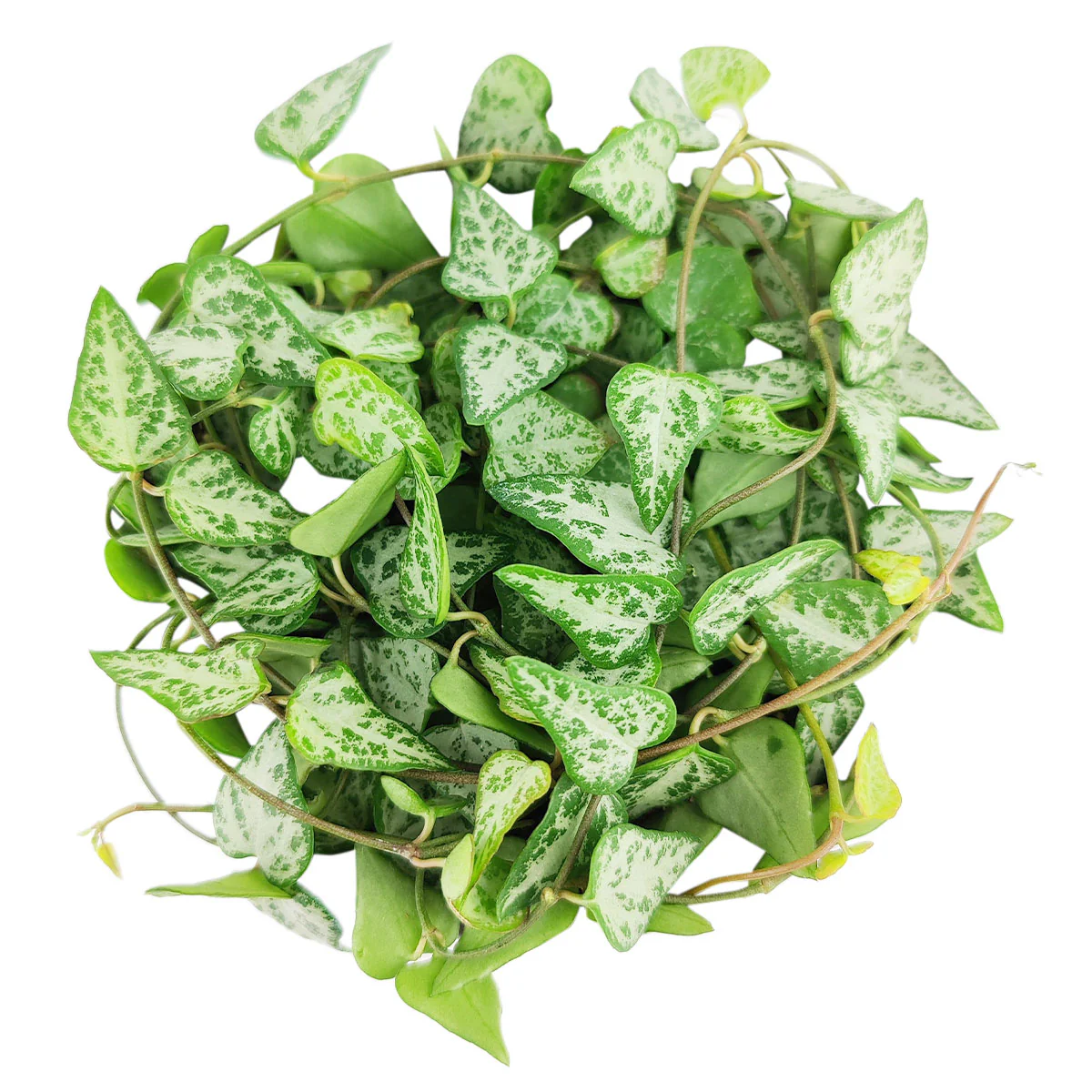
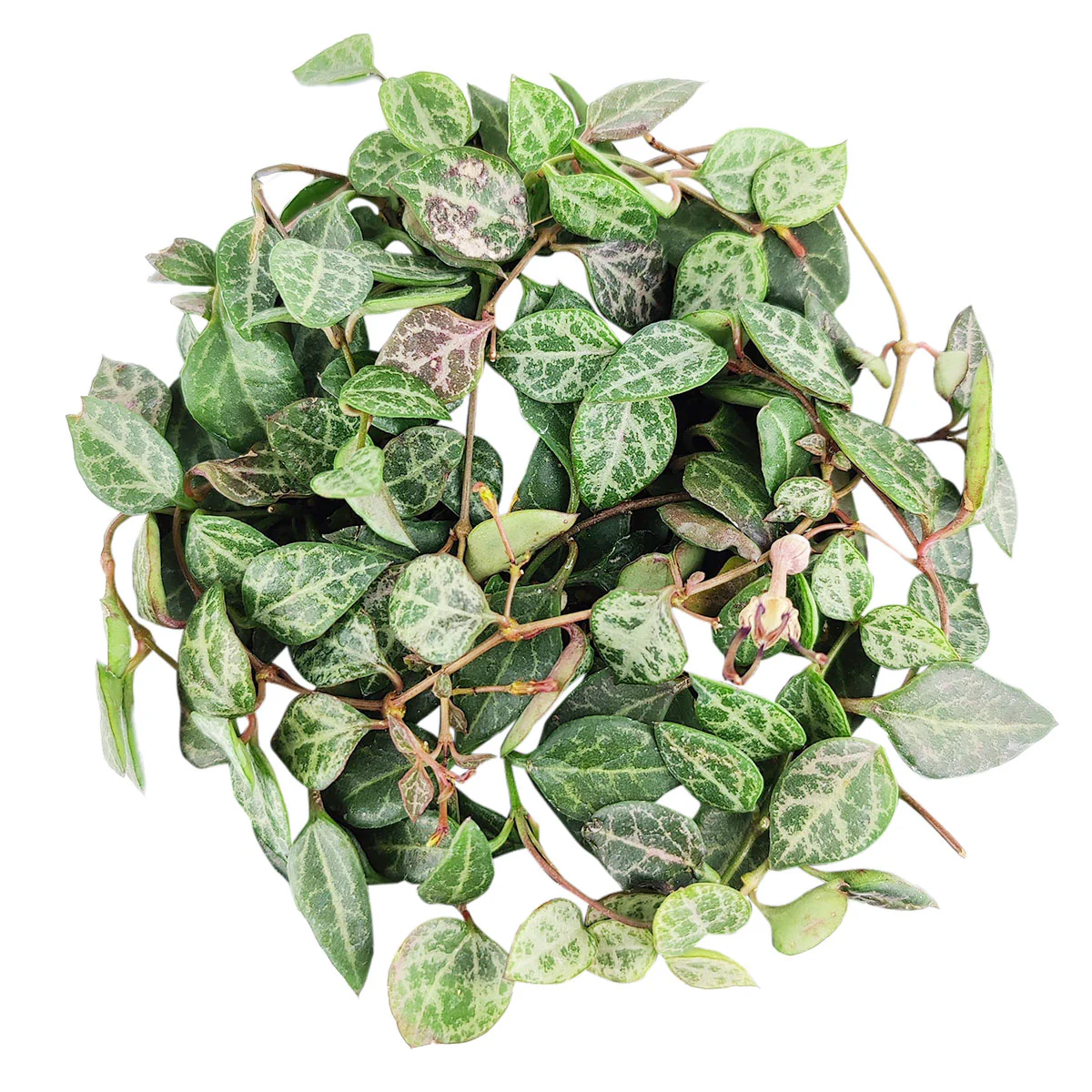
The Peperomia 'Ecuador' is a stunning and relatively rare variety known for its dense, colorful foliage and attractive trailing growth habit, making it an excellent choice for shelves or hanging baskets. As the name suggests, this plant is native to the Andean regions of South America, including Ecuador, where it naturally grows in moist, shaded forest understories.![]() This variety is celebrated for its lush, compact appearance and variable leaf color. It features large, textured leaves that can range in color from vibrant green to dark purple, often highlighted by broad, striking silver stripes or markings. The leaves are slightly rippled and grow densely along trailing stems, giving the plant a full, cascading look.
This variety is celebrated for its lush, compact appearance and variable leaf color. It features large, textured leaves that can range in color from vibrant green to dark purple, often highlighted by broad, striking silver stripes or markings. The leaves are slightly rippled and grow densely along trailing stems, giving the plant a full, cascading look.![]() Like other members of the Peperomia family, it produces non-showy, slender, spike-like flowers often described as "rat tails." These greenish-white stalks are inconspicuous but may appear throughout the year, adding a subtle texture to the plant's dense foliage.
Like other members of the Peperomia family, it produces non-showy, slender, spike-like flowers often described as "rat tails." These greenish-white stalks are inconspicuous but may appear throughout the year, adding a subtle texture to the plant's dense foliage.
-
![]() Medium to Bright, Indirect Light. This is crucial for maintaining the plant's vibrant coloring and dense growth. Too much direct sun can scorch the leaves, while too little light may cause the color to fade and the growth to become leggy.
Medium to Bright, Indirect Light. This is crucial for maintaining the plant's vibrant coloring and dense growth. Too much direct sun can scorch the leaves, while too little light may cause the color to fade and the growth to become leggy.![]() Water Moderately. Allow the top 1 to 2 inches of soil to dry out completely between waterings. Peperomias have semi-succulent characteristics and are highly sensitive to overwatering, which leads to root rot.
Water Moderately. Allow the top 1 to 2 inches of soil to dry out completely between waterings. Peperomias have semi-succulent characteristics and are highly sensitive to overwatering, which leads to root rot.![]() Needs a very well-draining, airy mix. Use a standard potting mix amended heavily with perlite, orchid bark, or coir chunks to ensure excellent drainage and aeration.
Needs a very well-draining, airy mix. Use a standard potting mix amended heavily with perlite, orchid bark, or coir chunks to ensure excellent drainage and aeration.![]() Frost thrives in normal room temperatures (between 65°F-80°F) and humidity (40-50%). You can mist your plant and use a humidifier when the environment is too dry (humidity level falls below 40%).
Frost thrives in normal room temperatures (between 65°F-80°F) and humidity (40-50%). You can mist your plant and use a humidifier when the environment is too dry (humidity level falls below 40%).![]() This plant should be fertilized once during the growing season (spring/summer) with diluted houseplant fertilizer.
This plant should be fertilized once during the growing season (spring/summer) with diluted houseplant fertilizer.
-
![]() Typically Zones 10-12. Best kept indoors as a houseplant.
Typically Zones 10-12. Best kept indoors as a houseplant.
 The Peperomia 'Ecuador' is a stunning and relatively rare variety known for its dense, colorful foliage and attractive trailing growth habit, making it an excellent choice for shelves or hanging baskets.
 Medium to Bright, Indirect Light. This is crucial for maintaining the plant's vibrant coloring and dense growth. Too much direct sun can scorch the leaves, while too little light may cause the color to fade and the growth to become leggy.
 Water Moderately. Allow the top
  Needs a very well-draining, airy mix. Use a standard potting mix amended heavily with perlite, orchid bark, or coir chunks to ensure excellent drainage and aeration.
 Frost thrives in normal room temperatures (between 65°F-80°F) and humidity (40-50%). You can mist your plant and use a humidifier when the environment is too dry (humidity level falls below 40%).
 This plant should be fertilized once during the growing season (spring/summer) with diluted houseplant fertilizer.
 Typically Zones 10-12. Best kept indoors as a houseplant.
Select Size
From $7.50
Original: $25.00
-70%Peperomia Ecuador—
$25.00
$7.50Product Information
Product Information
Shipping & Returns
Shipping & Returns
Description
-
![]() The Peperomia 'Ecuador' is a stunning and relatively rare variety known for its dense, colorful foliage and attractive trailing growth habit, making it an excellent choice for shelves or hanging baskets. As the name suggests, this plant is native to the Andean regions of South America, including Ecuador, where it naturally grows in moist, shaded forest understories.
The Peperomia 'Ecuador' is a stunning and relatively rare variety known for its dense, colorful foliage and attractive trailing growth habit, making it an excellent choice for shelves or hanging baskets. As the name suggests, this plant is native to the Andean regions of South America, including Ecuador, where it naturally grows in moist, shaded forest understories.![]() This variety is celebrated for its lush, compact appearance and variable leaf color. It features large, textured leaves that can range in color from vibrant green to dark purple, often highlighted by broad, striking silver stripes or markings. The leaves are slightly rippled and grow densely along trailing stems, giving the plant a full, cascading look.
This variety is celebrated for its lush, compact appearance and variable leaf color. It features large, textured leaves that can range in color from vibrant green to dark purple, often highlighted by broad, striking silver stripes or markings. The leaves are slightly rippled and grow densely along trailing stems, giving the plant a full, cascading look.![]() Like other members of the Peperomia family, it produces non-showy, slender, spike-like flowers often described as "rat tails." These greenish-white stalks are inconspicuous but may appear throughout the year, adding a subtle texture to the plant's dense foliage.
Like other members of the Peperomia family, it produces non-showy, slender, spike-like flowers often described as "rat tails." These greenish-white stalks are inconspicuous but may appear throughout the year, adding a subtle texture to the plant's dense foliage.
-
![]() Medium to Bright, Indirect Light. This is crucial for maintaining the plant's vibrant coloring and dense growth. Too much direct sun can scorch the leaves, while too little light may cause the color to fade and the growth to become leggy.
Medium to Bright, Indirect Light. This is crucial for maintaining the plant's vibrant coloring and dense growth. Too much direct sun can scorch the leaves, while too little light may cause the color to fade and the growth to become leggy.![]() Water Moderately. Allow the top 1 to 2 inches of soil to dry out completely between waterings. Peperomias have semi-succulent characteristics and are highly sensitive to overwatering, which leads to root rot.
Water Moderately. Allow the top 1 to 2 inches of soil to dry out completely between waterings. Peperomias have semi-succulent characteristics and are highly sensitive to overwatering, which leads to root rot.![]() Needs a very well-draining, airy mix. Use a standard potting mix amended heavily with perlite, orchid bark, or coir chunks to ensure excellent drainage and aeration.
Needs a very well-draining, airy mix. Use a standard potting mix amended heavily with perlite, orchid bark, or coir chunks to ensure excellent drainage and aeration.![]() Frost thrives in normal room temperatures (between 65°F-80°F) and humidity (40-50%). You can mist your plant and use a humidifier when the environment is too dry (humidity level falls below 40%).
Frost thrives in normal room temperatures (between 65°F-80°F) and humidity (40-50%). You can mist your plant and use a humidifier when the environment is too dry (humidity level falls below 40%).![]() This plant should be fertilized once during the growing season (spring/summer) with diluted houseplant fertilizer.
This plant should be fertilized once during the growing season (spring/summer) with diluted houseplant fertilizer.
-
![]() Typically Zones 10-12. Best kept indoors as a houseplant.
Typically Zones 10-12. Best kept indoors as a houseplant.