🚚 Free Worldwide Shipping on All Orders!Shop Now



Moonstones Pachyphytum oviferum
-
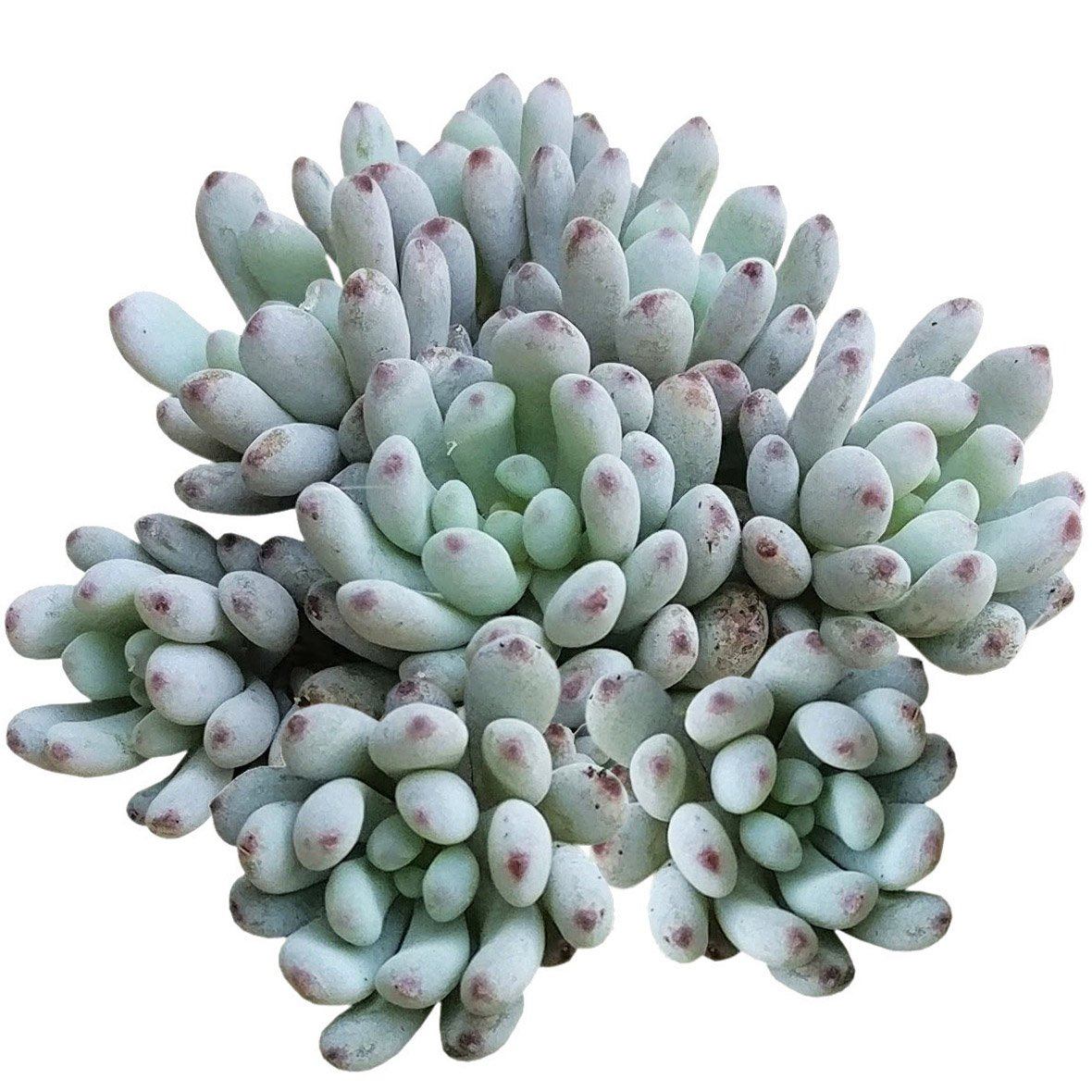
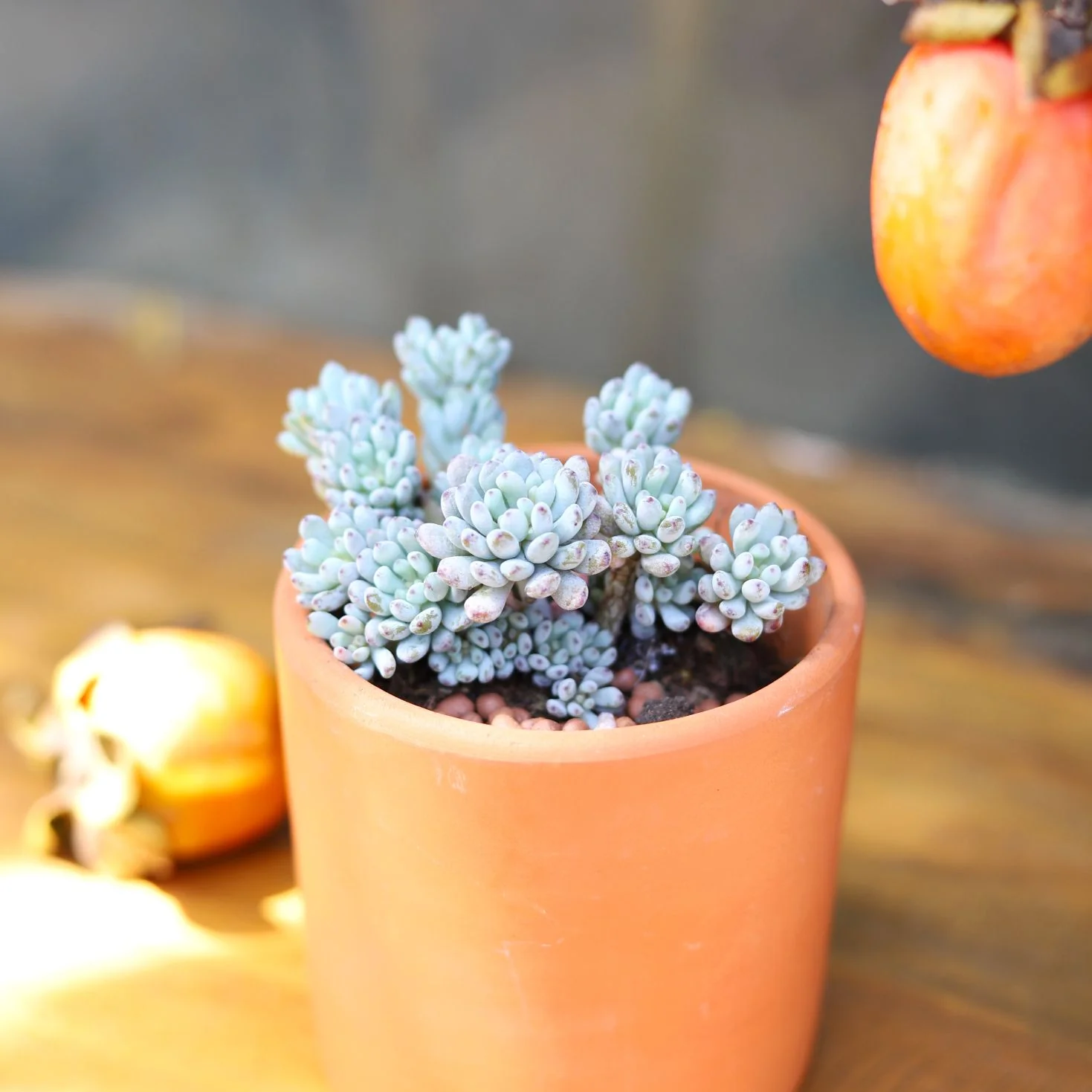
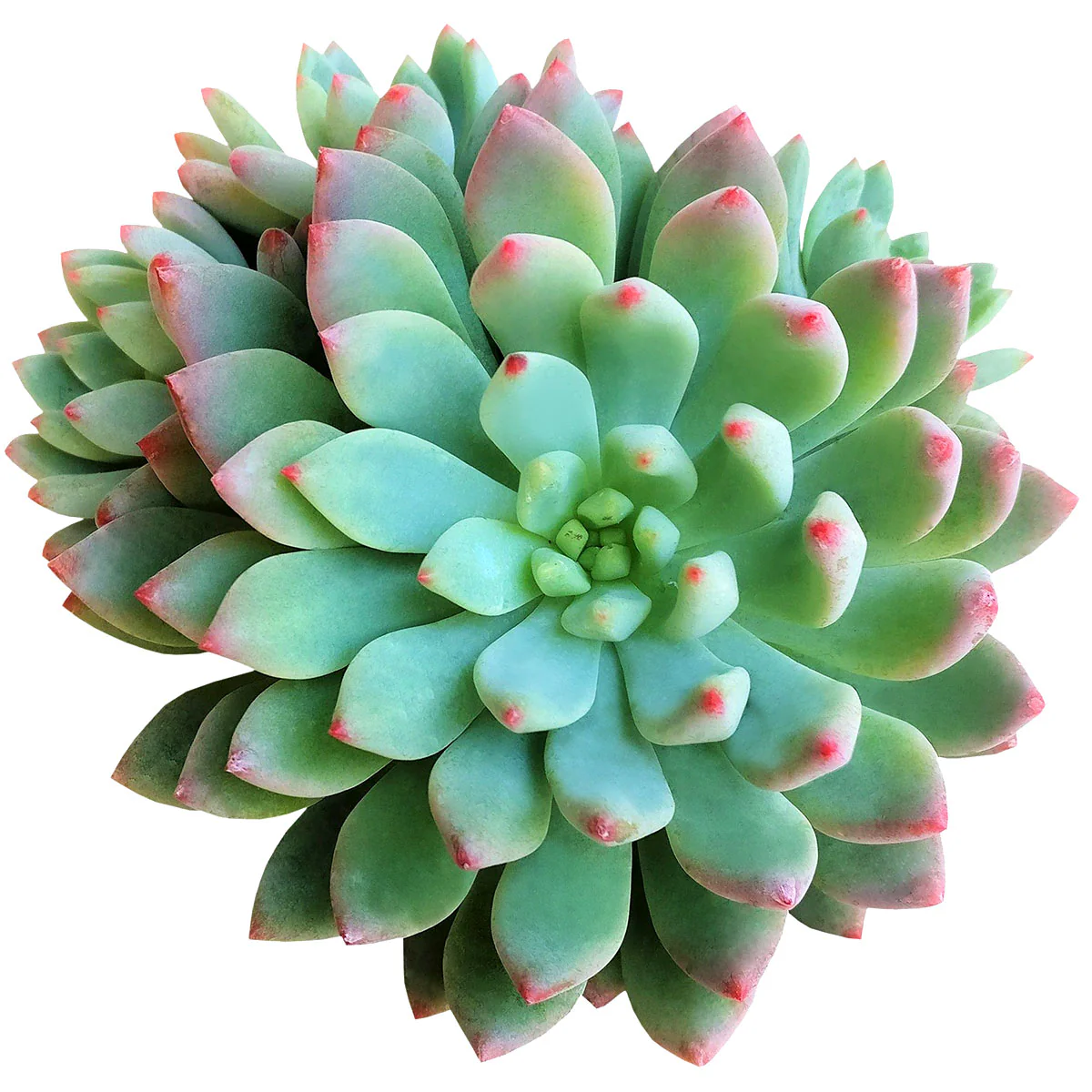
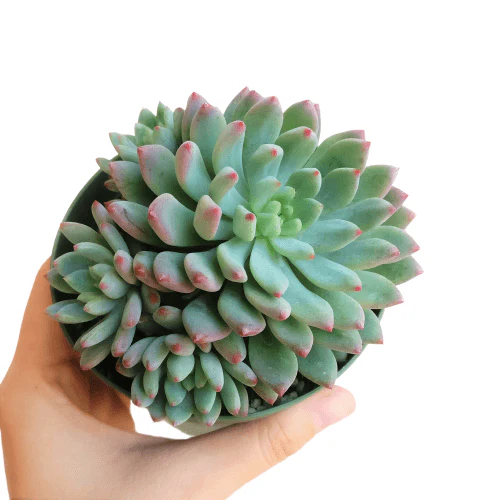
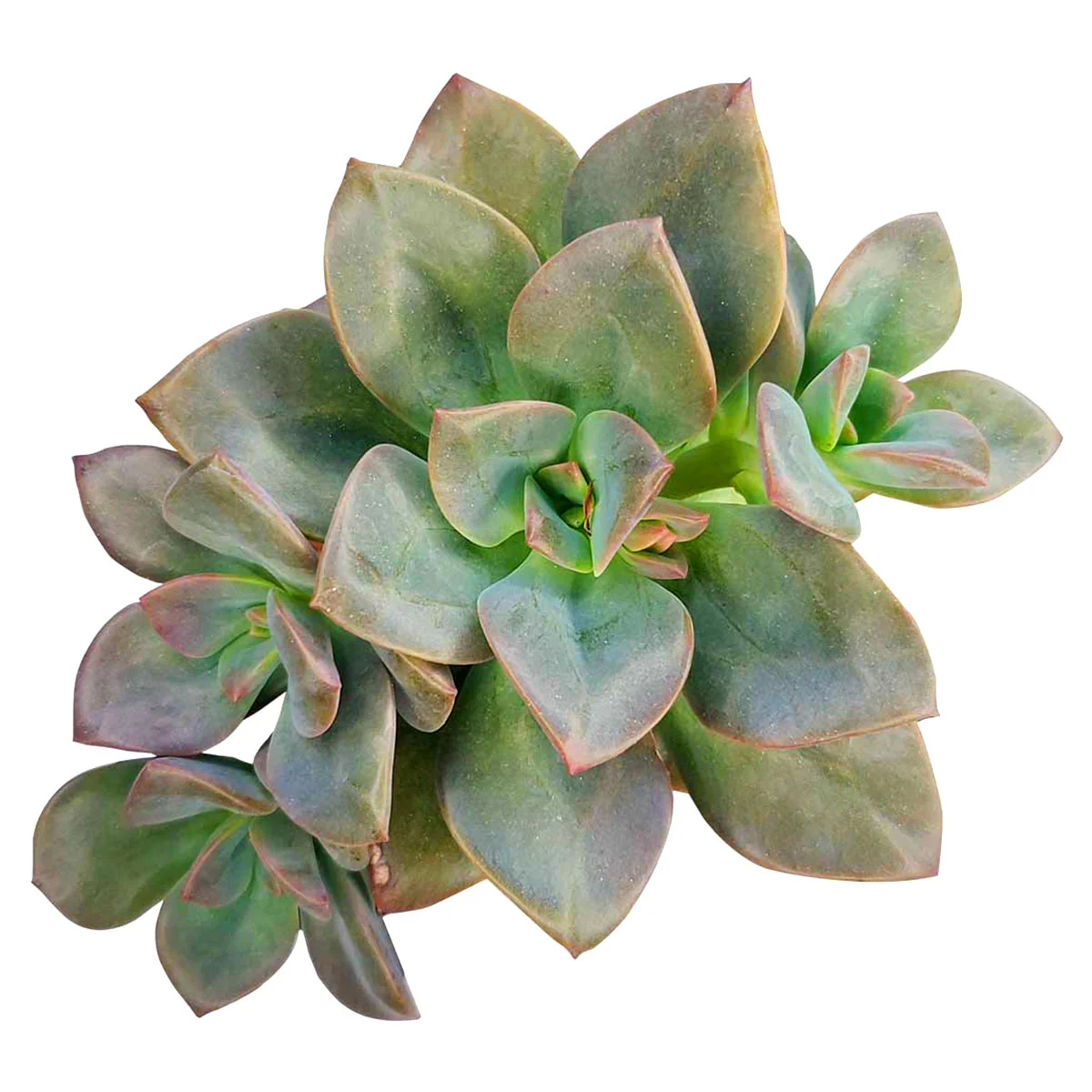
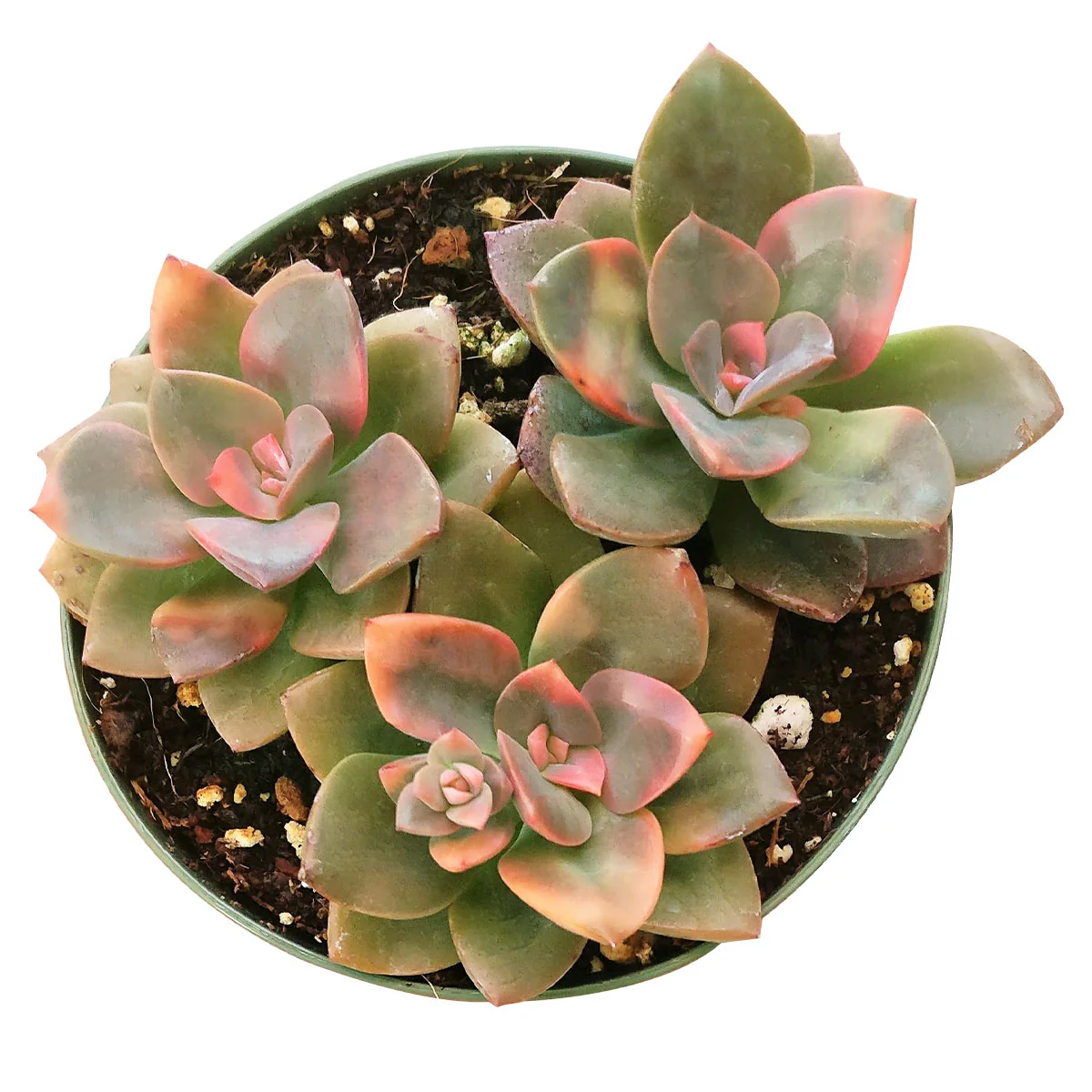
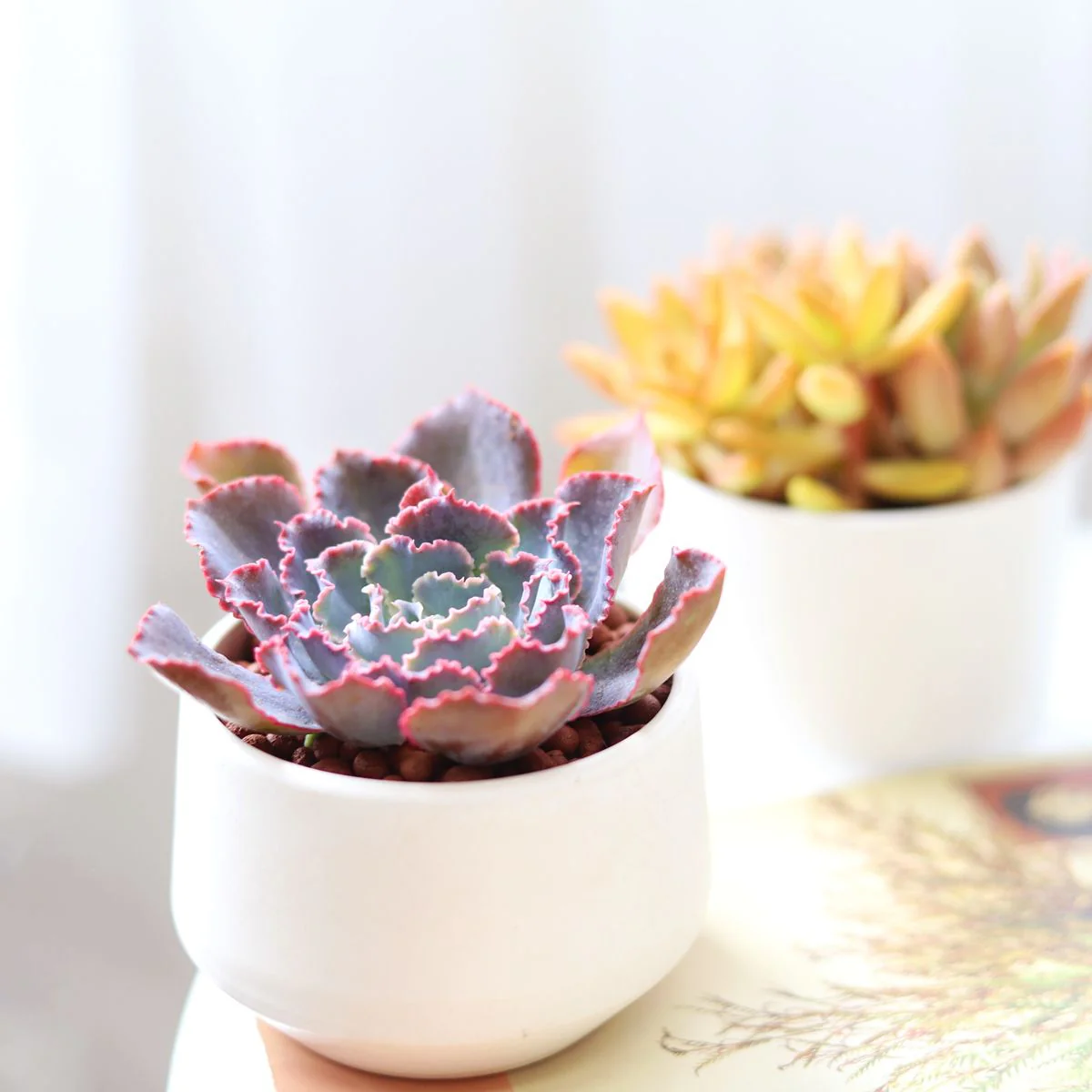
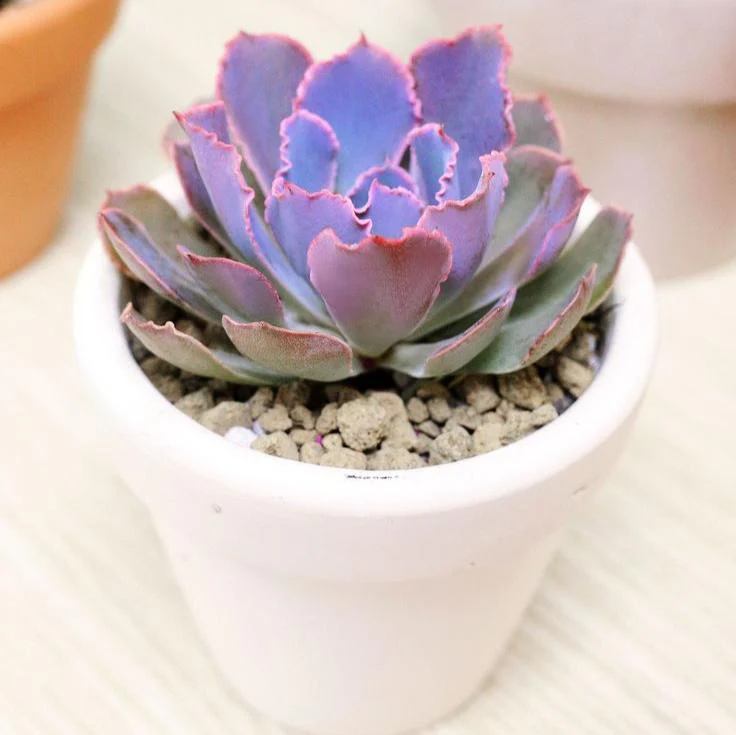
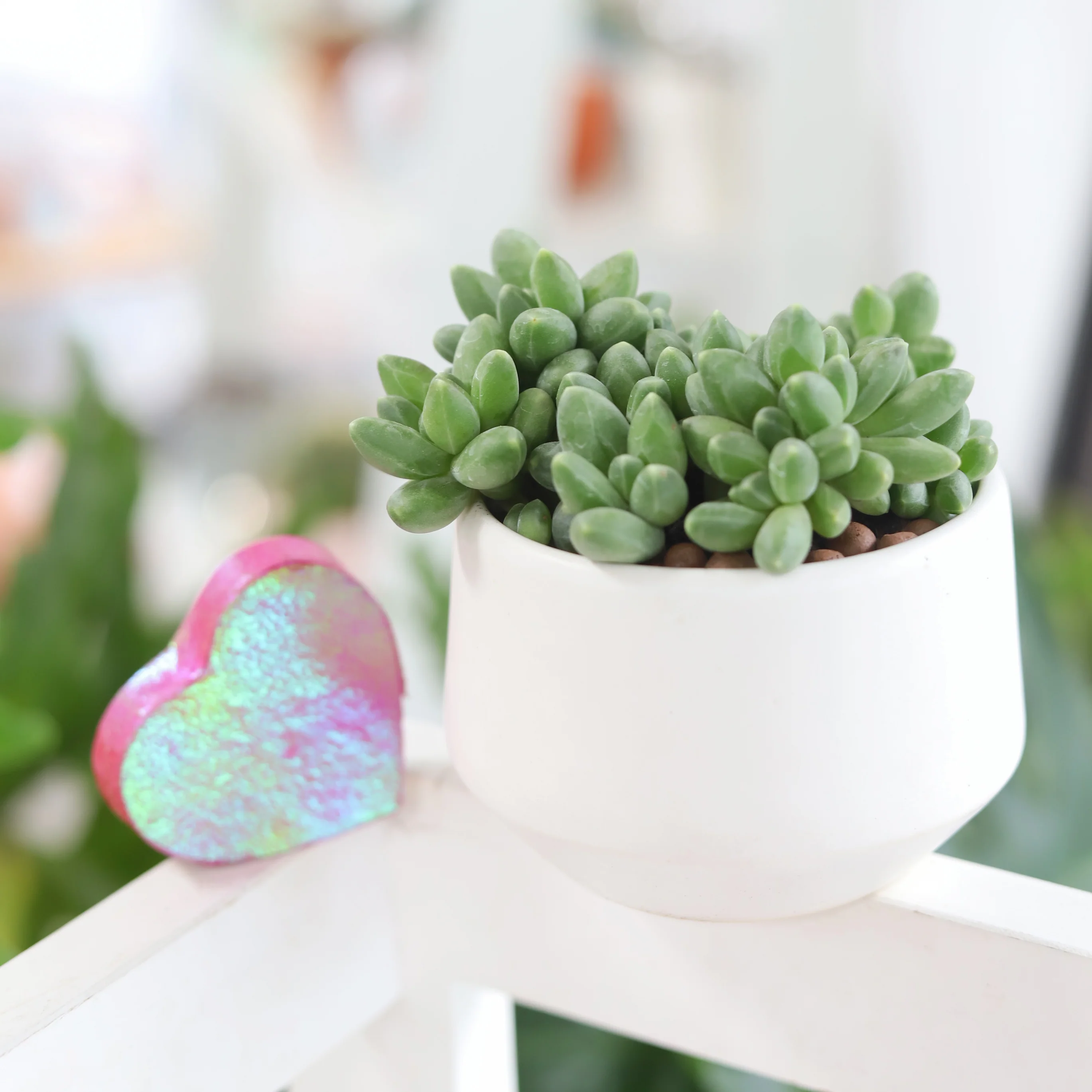
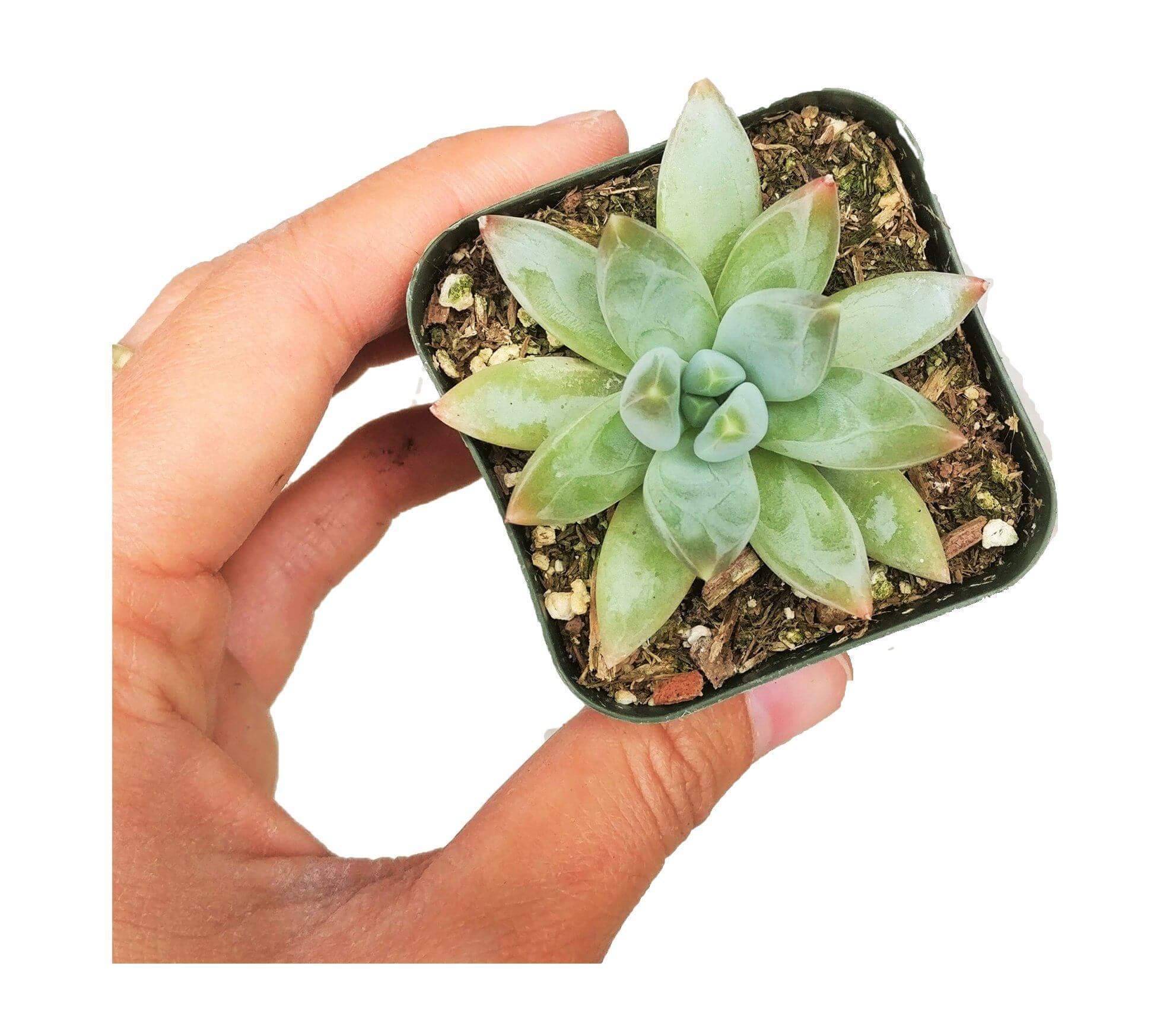
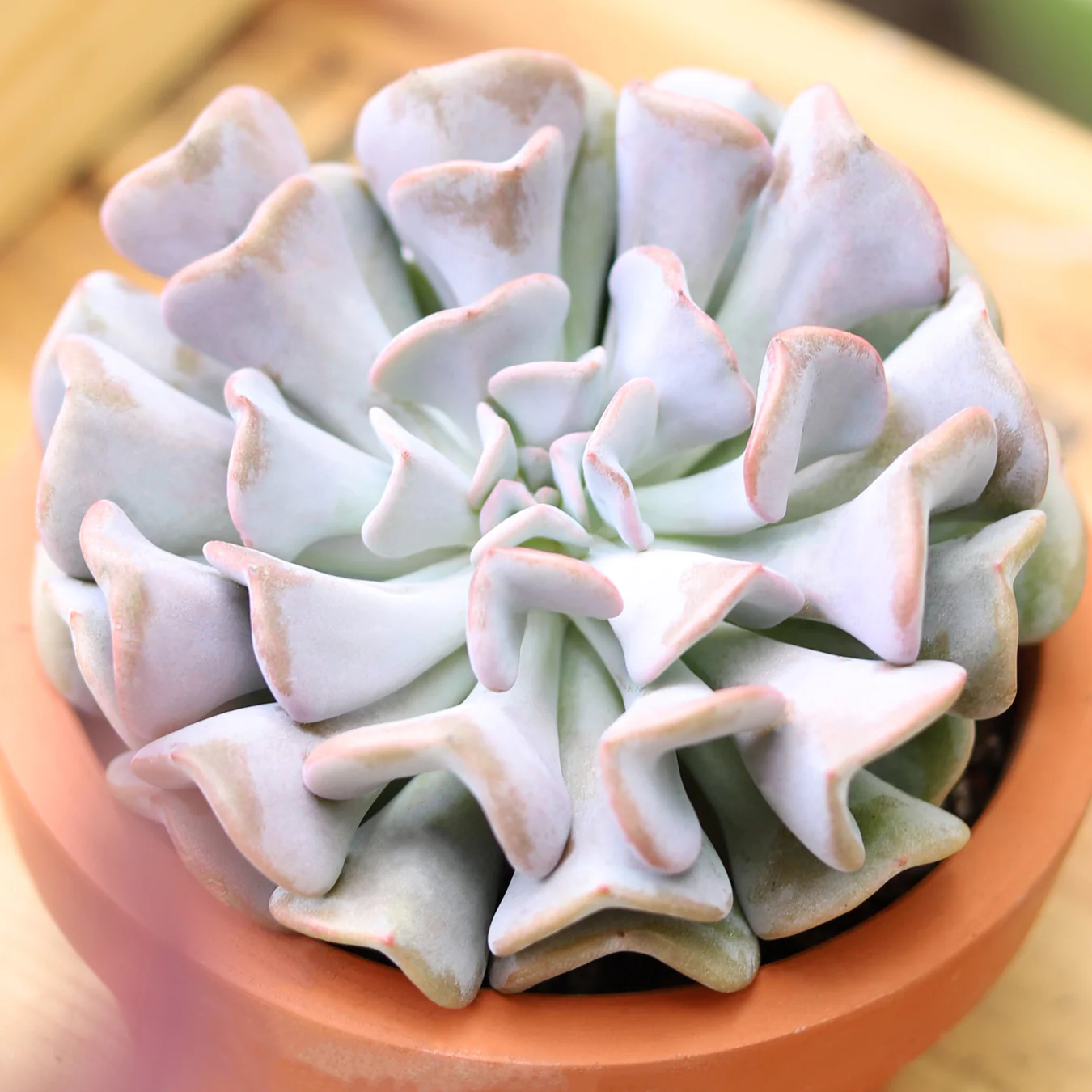
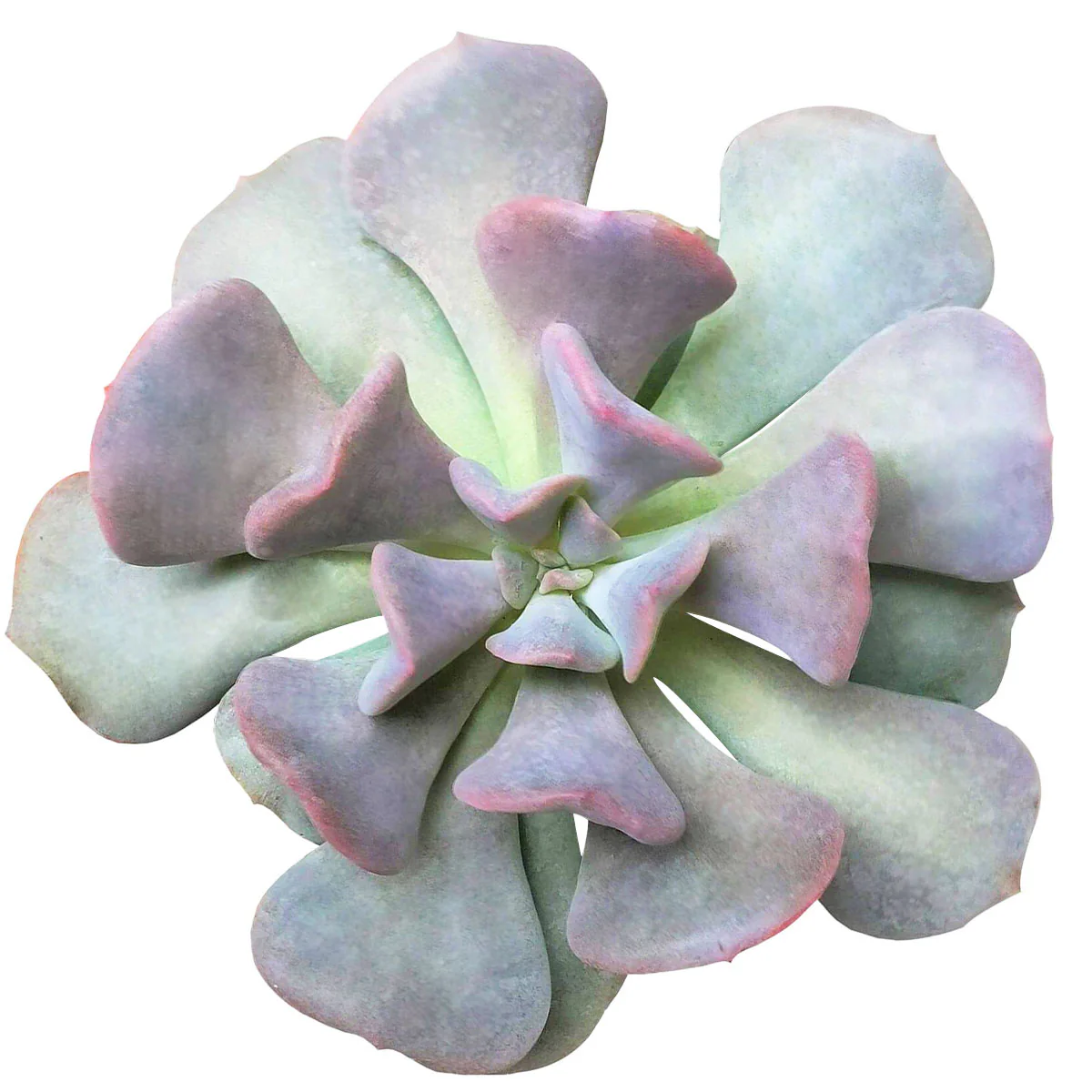
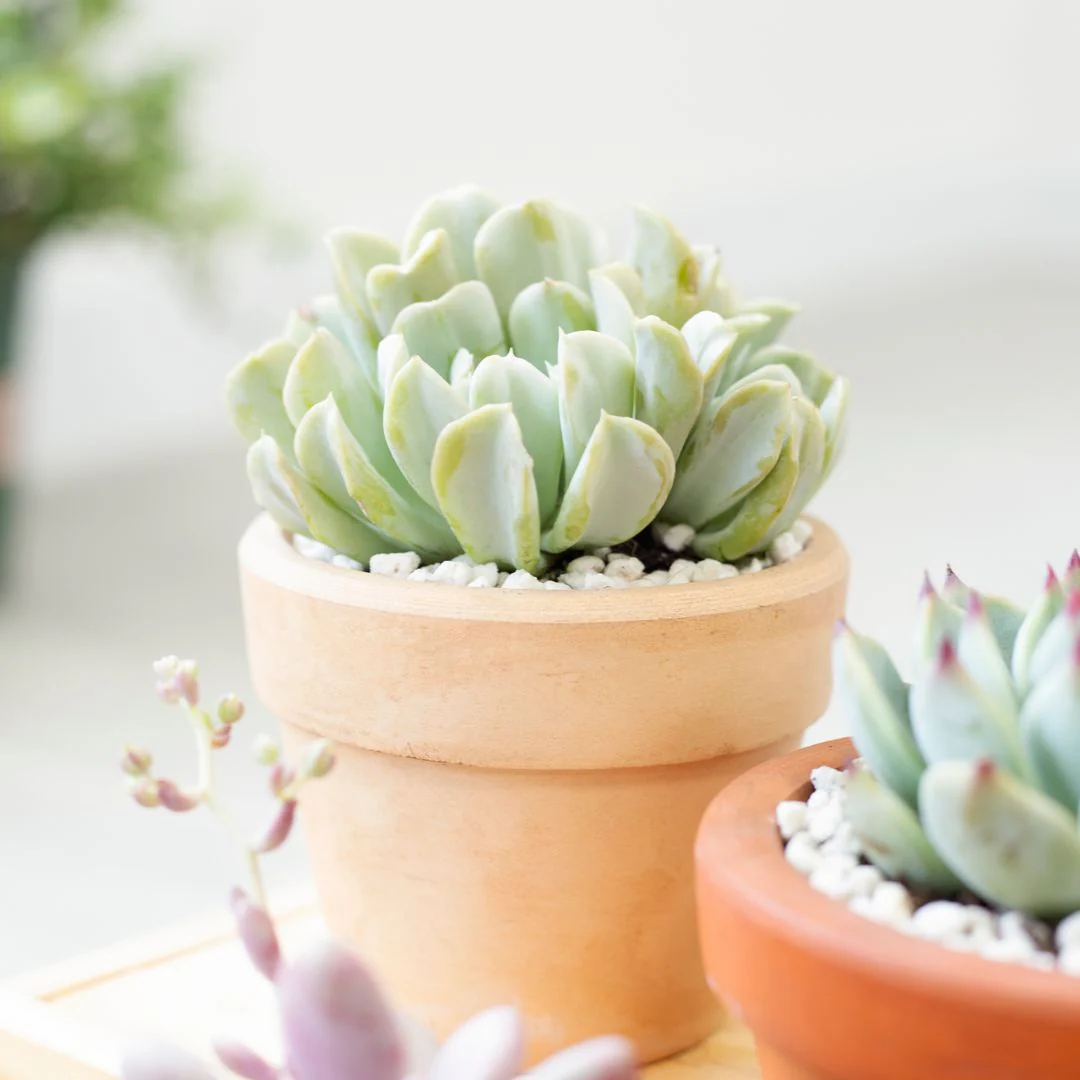
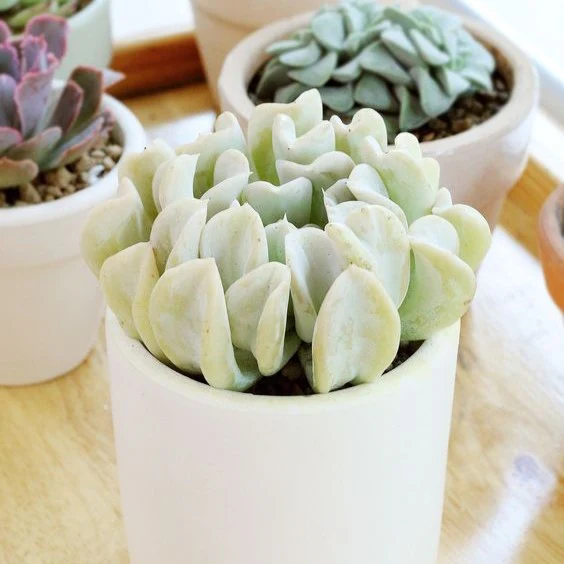
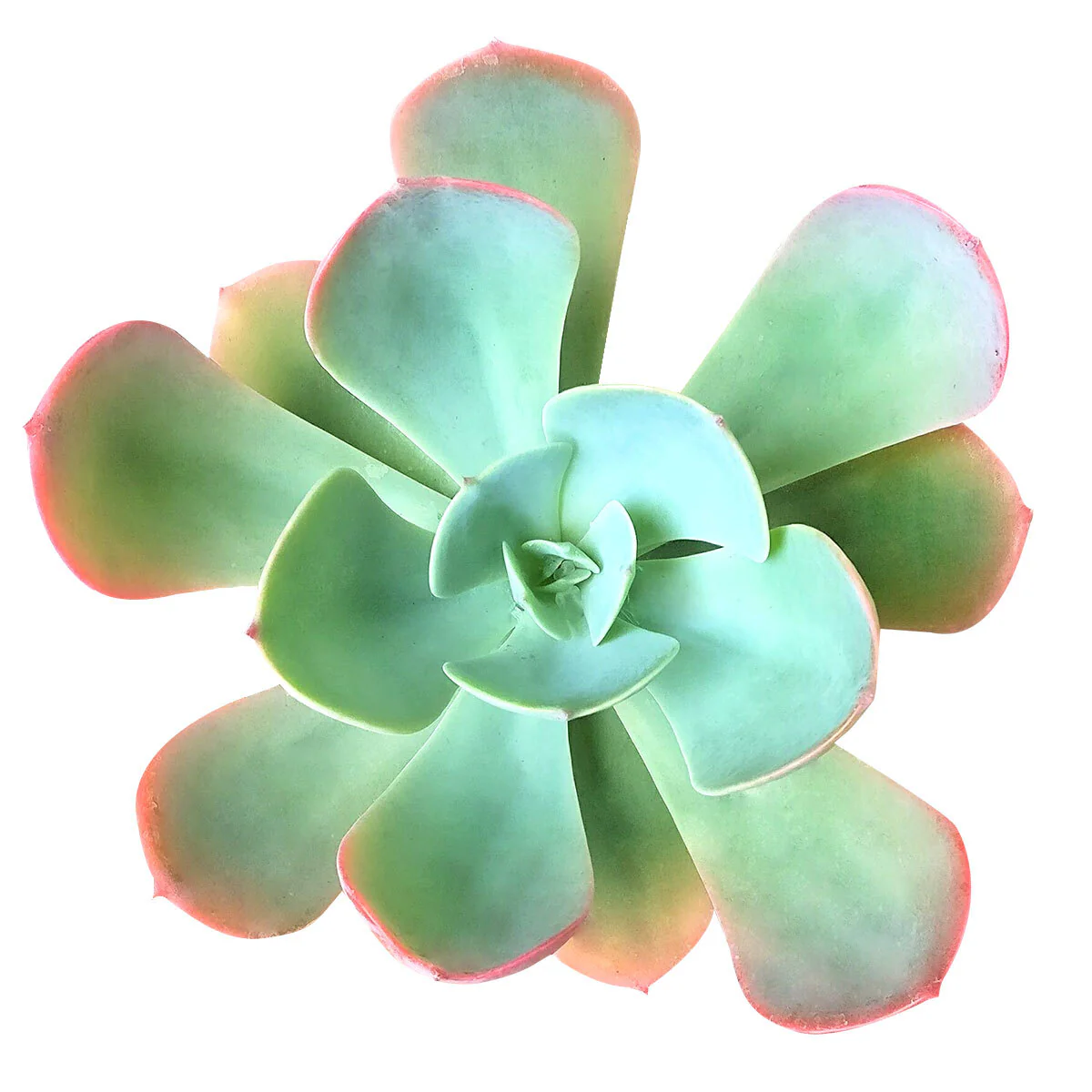
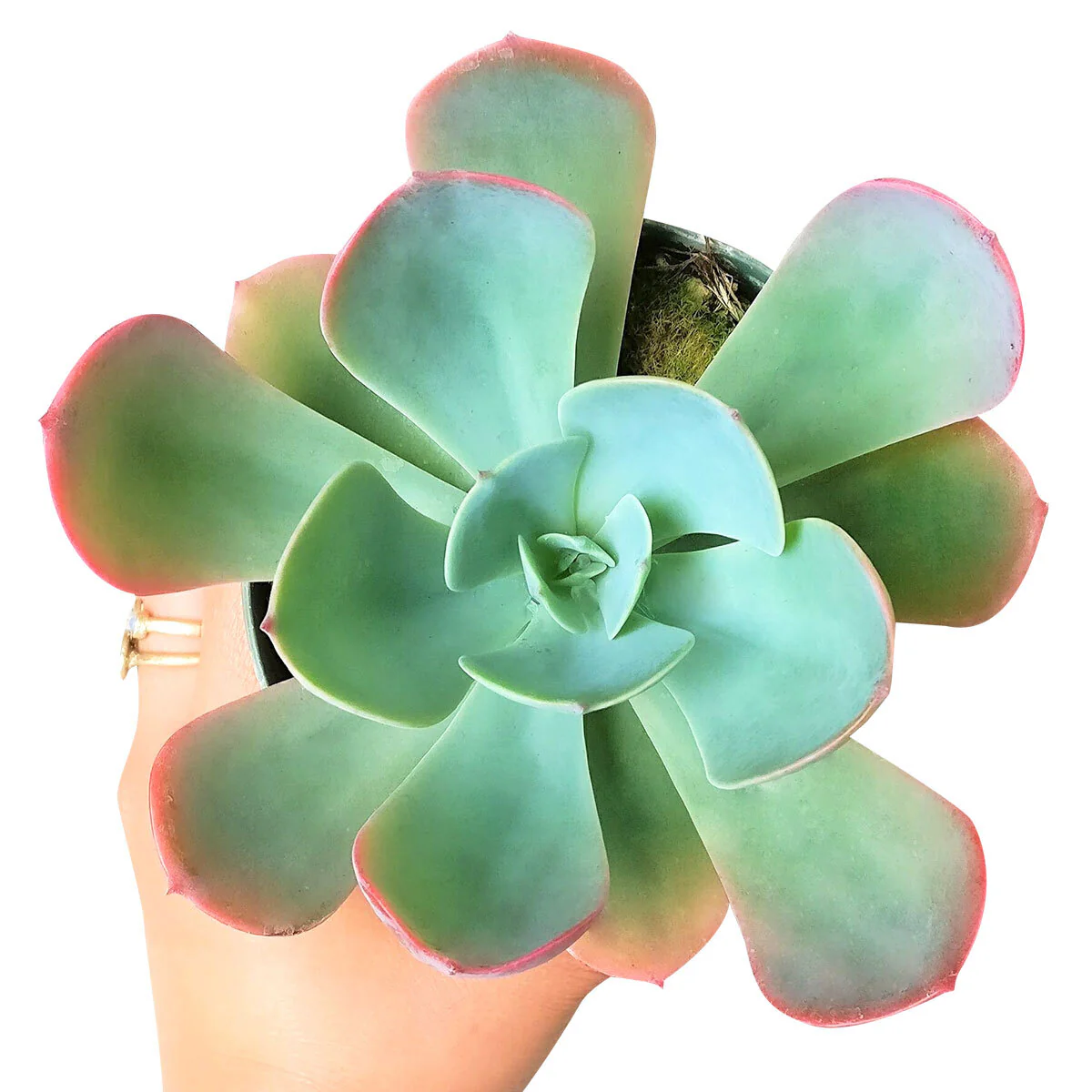
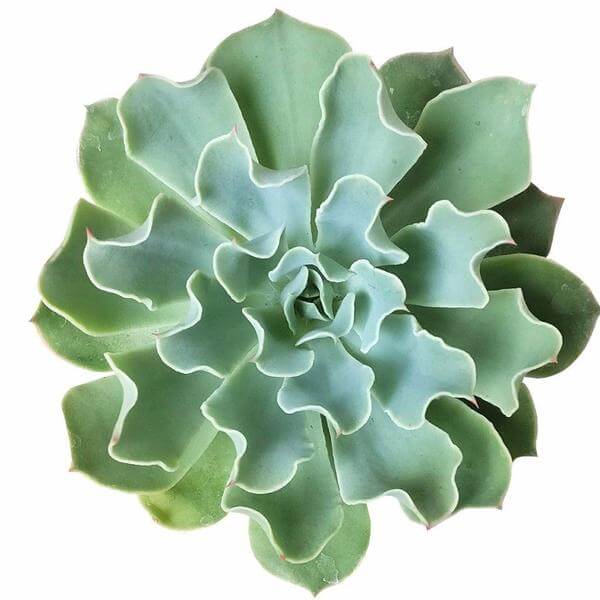
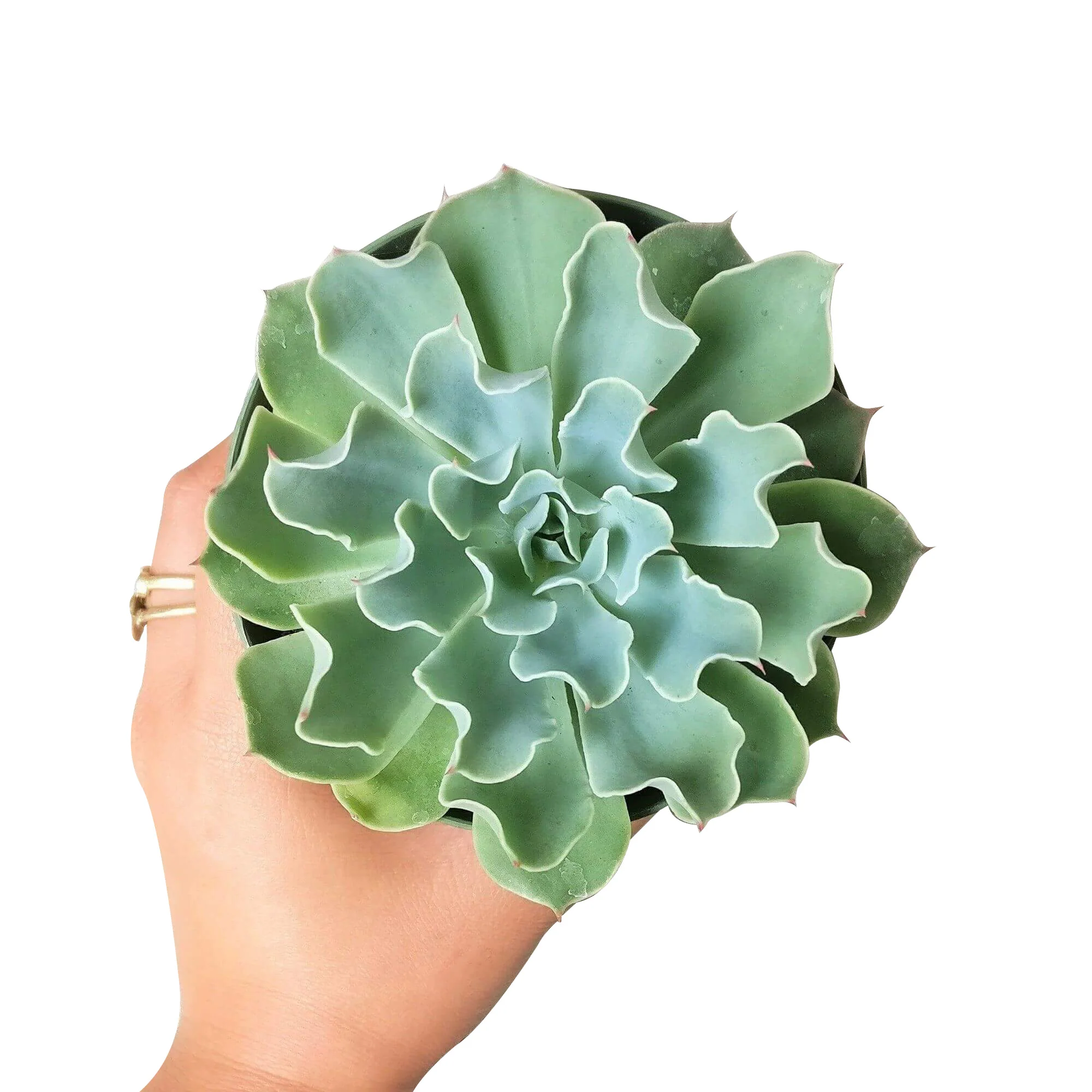
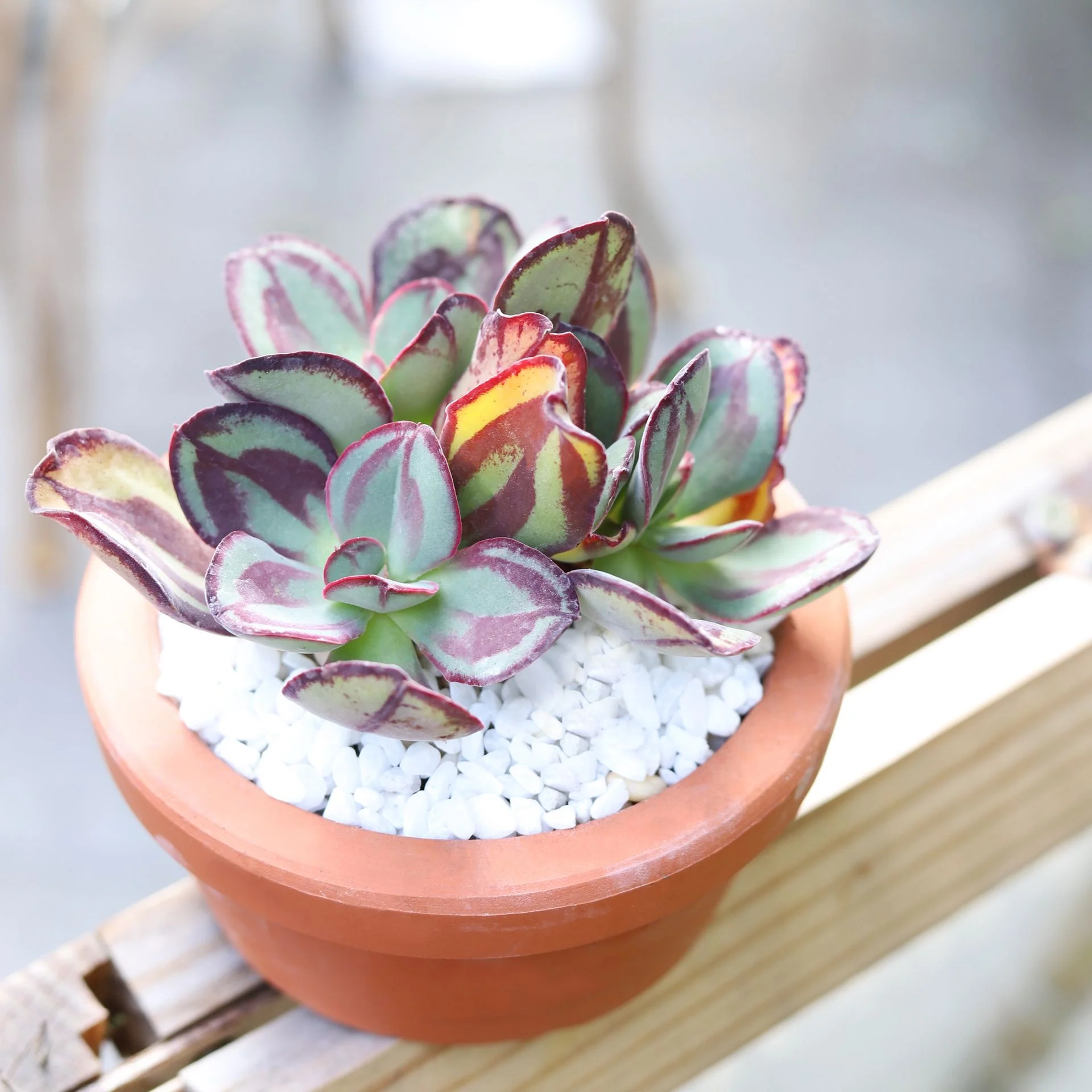
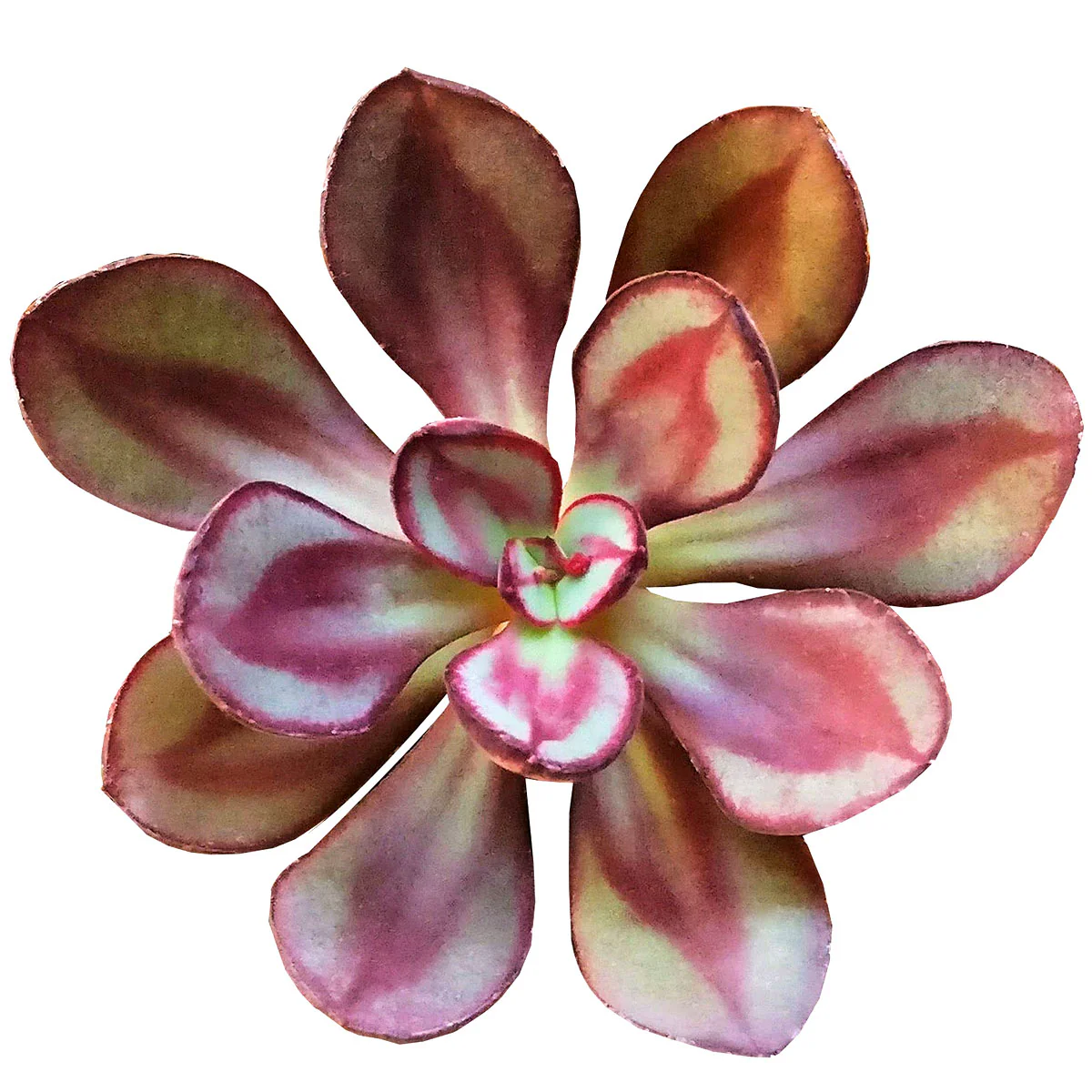
![]() Commonly known as Moonstones, Pachyphytum oviferum is one of the most recognizable and adorable succulents in the world. It is famous for its exceptionally thick, rounded, egg-shaped leaves that resemble smooth river pebbles or sugar-coated almonds. The leaves are covered in a heavy layer of farina (epicuticular wax), giving them a soft, matte, "frosted" appearance in shades of pale blue, lavender, and baby pink.
Commonly known as Moonstones, Pachyphytum oviferum is one of the most recognizable and adorable succulents in the world. It is famous for its exceptionally thick, rounded, egg-shaped leaves that resemble smooth river pebbles or sugar-coated almonds. The leaves are covered in a heavy layer of farina (epicuticular wax), giving them a soft, matte, "frosted" appearance in shades of pale blue, lavender, and baby pink.![]() Moonstones are native to the rocky cliffs of San Luis Potosí, Mexico. In their natural habitat, they cling to steep rock faces at high altitudes, which is why they have developed such thick leaves—to store water for long periods of drought.
Moonstones are native to the rocky cliffs of San Luis Potosí, Mexico. In their natural habitat, they cling to steep rock faces at high altitudes, which is why they have developed such thick leaves—to store water for long periods of drought.![]() In late winter or early spring, Moonstones produce beautiful, nodding bell-shaped flowers. These blooms are a deep greenish-red or coral and are partially enclosed by fleshy sepals that match the color of the leaves. The flowers hang from arching stems like tiny, glowing lanterns, providing a stunning contrast to the pastel foliage.
In late winter or early spring, Moonstones produce beautiful, nodding bell-shaped flowers. These blooms are a deep greenish-red or coral and are partially enclosed by fleshy sepals that match the color of the leaves. The flowers hang from arching stems like tiny, glowing lanterns, providing a stunning contrast to the pastel foliage.
-
![]() Bright Indirect Light to Full Sun. Plenty of light is required to maintain the pink/purple hues. Low light will cause the plant to turn green and stretch.
Bright Indirect Light to Full Sun. Plenty of light is required to maintain the pink/purple hues. Low light will cause the plant to turn green and stretch.![]() Extremely Gritty Mix. Use a specialized succulent soil or a 70:30 mix of pumice/perlite to potting soil.
Extremely Gritty Mix. Use a specialized succulent soil or a 70:30 mix of pumice/perlite to potting soil.![]() Minimal. Only water when the leaves feel slightly soft or look a bit wrinkled. These are very prone to rot if overwatered.
Minimal. Only water when the leaves feel slightly soft or look a bit wrinkled. These are very prone to rot if overwatered. -
9 to 11. Typically grown indoors as a houseplant in most regions.
![]()


 Bright Indirect Light to Full Sun. Plenty of light is required to maintain the pink/purple hues. Low light will cause the plant to turn green and stretch.
 Extremely Gritty Mix. Use a specialized succulent soil or a 70:30 mix of pumice/perlite to potting soil.
 Minimal. Only water when the leaves feel slightly soft or look a bit wrinkled. These are very prone to rot if overwatered.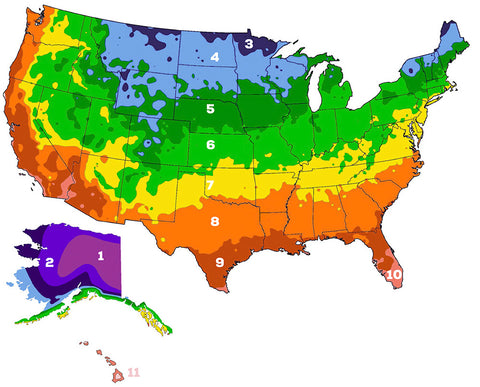
Select Size
Select Style
From $2.19
Original: $7.30
-70%Moonstones Pachyphytum oviferum—
$7.30
$2.19Product Information
Product Information
Shipping & Returns
Shipping & Returns
Description
-
![]() Commonly known as Moonstones, Pachyphytum oviferum is one of the most recognizable and adorable succulents in the world. It is famous for its exceptionally thick, rounded, egg-shaped leaves that resemble smooth river pebbles or sugar-coated almonds. The leaves are covered in a heavy layer of farina (epicuticular wax), giving them a soft, matte, "frosted" appearance in shades of pale blue, lavender, and baby pink.
Commonly known as Moonstones, Pachyphytum oviferum is one of the most recognizable and adorable succulents in the world. It is famous for its exceptionally thick, rounded, egg-shaped leaves that resemble smooth river pebbles or sugar-coated almonds. The leaves are covered in a heavy layer of farina (epicuticular wax), giving them a soft, matte, "frosted" appearance in shades of pale blue, lavender, and baby pink.![]() Moonstones are native to the rocky cliffs of San Luis Potosí, Mexico. In their natural habitat, they cling to steep rock faces at high altitudes, which is why they have developed such thick leaves—to store water for long periods of drought.
Moonstones are native to the rocky cliffs of San Luis Potosí, Mexico. In their natural habitat, they cling to steep rock faces at high altitudes, which is why they have developed such thick leaves—to store water for long periods of drought.![]() In late winter or early spring, Moonstones produce beautiful, nodding bell-shaped flowers. These blooms are a deep greenish-red or coral and are partially enclosed by fleshy sepals that match the color of the leaves. The flowers hang from arching stems like tiny, glowing lanterns, providing a stunning contrast to the pastel foliage.
In late winter or early spring, Moonstones produce beautiful, nodding bell-shaped flowers. These blooms are a deep greenish-red or coral and are partially enclosed by fleshy sepals that match the color of the leaves. The flowers hang from arching stems like tiny, glowing lanterns, providing a stunning contrast to the pastel foliage.
-
![]() Bright Indirect Light to Full Sun. Plenty of light is required to maintain the pink/purple hues. Low light will cause the plant to turn green and stretch.
Bright Indirect Light to Full Sun. Plenty of light is required to maintain the pink/purple hues. Low light will cause the plant to turn green and stretch.![]() Extremely Gritty Mix. Use a specialized succulent soil or a 70:30 mix of pumice/perlite to potting soil.
Extremely Gritty Mix. Use a specialized succulent soil or a 70:30 mix of pumice/perlite to potting soil.![]() Minimal. Only water when the leaves feel slightly soft or look a bit wrinkled. These are very prone to rot if overwatered.
Minimal. Only water when the leaves feel slightly soft or look a bit wrinkled. These are very prone to rot if overwatered. -
9 to 11. Typically grown indoors as a houseplant in most regions.
![]()