🚚 Free Worldwide Shipping on All Orders!Shop Now



Monstera Adansonii 'Swiss Cheese Variegated'
-
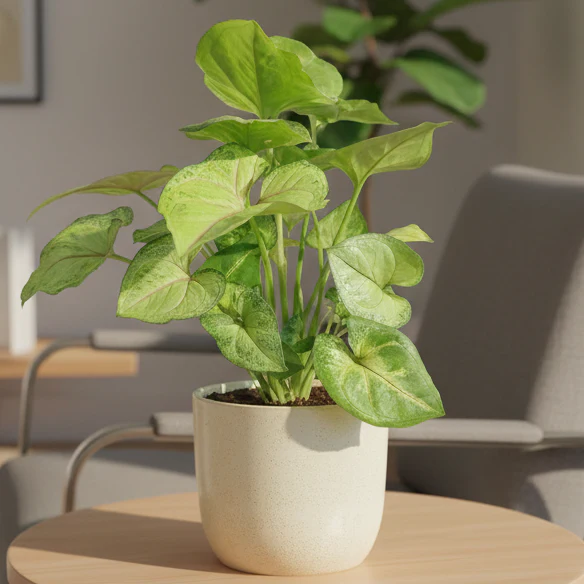
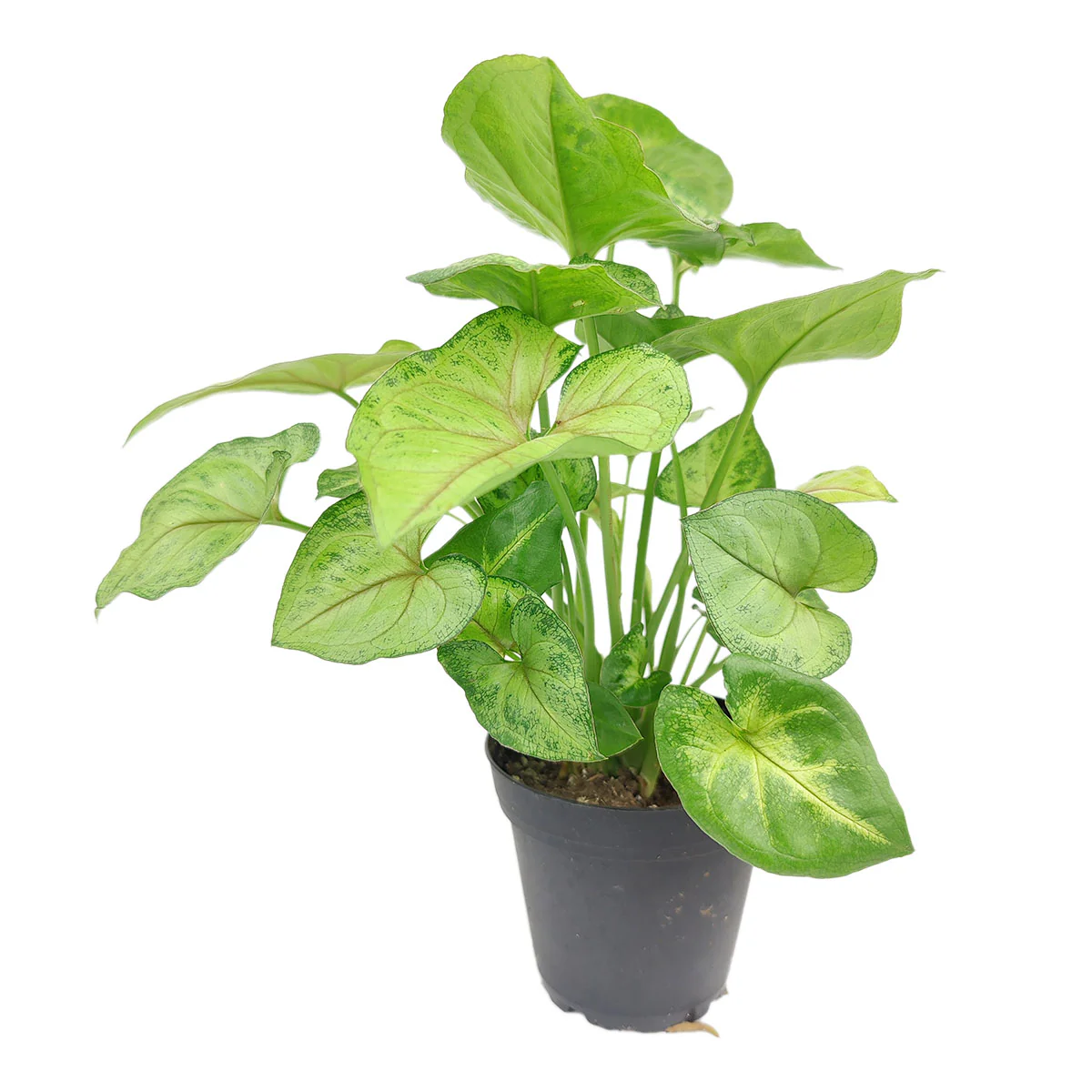
![]() The Monstera Adansonii 'Swiss Cheese Variegated' is a highly sought-after, striking mutation of the popular Monstera adansonii. This plant is prized for its large leaves covered in natural holes or fenestrations, resembling Swiss cheese. The variegated form features random, often half-moon, sectors of creamy white or light yellow on the leaves and stems.
The Monstera Adansonii 'Swiss Cheese Variegated' is a highly sought-after, striking mutation of the popular Monstera adansonii. This plant is prized for its large leaves covered in natural holes or fenestrations, resembling Swiss cheese. The variegated form features random, often half-moon, sectors of creamy white or light yellow on the leaves and stems.![]() The Variegation is the star feature. It is caused by a natural genetic mutation that prevents some cells from producing chlorophyll, resulting in stunning sectors of white, cream, or yellow. This variegation is often unstable (meaning it can revert to all green if not given enough bright light), making each leaf a unique piece of art and a prized possession for plant enthusiasts. As a climber, providing a vertical support will encourage larger leaves with more dramatic fenestrations.
The Variegation is the star feature. It is caused by a natural genetic mutation that prevents some cells from producing chlorophyll, resulting in stunning sectors of white, cream, or yellow. This variegation is often unstable (meaning it can revert to all green if not given enough bright light), making each leaf a unique piece of art and a prized possession for plant enthusiasts. As a climber, providing a vertical support will encourage larger leaves with more dramatic fenestrations.
-
![]() Bright, indirect light is essential for maintaining variegation and promoting healthy growth. Too little light will cause the white sectors to revert to green; direct sun will scorch the white parts.
Bright, indirect light is essential for maintaining variegation and promoting healthy growth. Too little light will cause the white sectors to revert to green; direct sun will scorch the white parts.![]() Water thoroughly when the top 1-2 inches (2-5 cm) of soil are dry. It is sensitive to overwatering, which can lead to root rot.
Water thoroughly when the top 1-2 inches (2-5 cm) of soil are dry. It is sensitive to overwatering, which can lead to root rot.![]() Needs a light, airy substrate rich in organic material but that drains quickly. Use a blend of orchid bark, perlite, and coco coir/peat moss.
Needs a light, airy substrate rich in organic material but that drains quickly. Use a blend of orchid bark, perlite, and coco coir/peat moss. ![]() It prefers temperatures between 65°F and 80°F (18°C to 27°C).
It prefers temperatures between 65°F and 80°F (18°C to 27°C).
-
![]() USDA Zone 10-12
USDA Zone 10-12USDA Zone 9b: to -3.8 °C (25 °F)
USDA Zone 10a: to -1.1 °C (30 °F)
USDA Zone 10b: to 1.7 °C (35 °F)
USDA Zone 11: above 4.5 °C (40 °F)
 The Monstera Adansonii 'Swiss Cheese Variegated' is a highly sought-after, striking mutation of the popular Monstera adansonii. This plant is prized for its large leaves covered in natural holes or fenestrations, resembling Swiss cheese. The variegated form features random, often half-moon, sectors of creamy white or light yellow on the leaves and stems.
 The Variegation is the star feature. It is caused by a natural genetic mutation that prevents some cells from producing chlorophyll, resulting in stunning sectors of white, cream, or yellow. This variegation is often unstable (meaning it can revert to all green if not given enough bright light), making each leaf a unique piece of art and a prized possession for plant enthusiasts. As a climber, providing a vertical support will encourage larger leaves with more dramatic fenestrations.
 Bright, indirect light is essential for maintaining variegation and promoting healthy growth. Too little light will cause the white sectors to revert to green; direct sun will scorch the white parts.
 Water thoroughly when the top 1-2 inches (2-5 cm) of soil are dry. It is sensitive to overwatering, which can lead to root rot.
 Needs a light, airy substrate rich in organic material but that drains quickly. Use a blend of orchid bark, perlite, and coco coir/peat moss.
  It prefers temperatures between 65°F and 80°F (18°C to 27°C).
 USDA Zone 10-12
$73.99
Monstera Adansonii 'Swiss Cheese Variegated'—
$73.99
Product Information
Product Information
Shipping & Returns
Shipping & Returns
Description
-
![]() The Monstera Adansonii 'Swiss Cheese Variegated' is a highly sought-after, striking mutation of the popular Monstera adansonii. This plant is prized for its large leaves covered in natural holes or fenestrations, resembling Swiss cheese. The variegated form features random, often half-moon, sectors of creamy white or light yellow on the leaves and stems.
The Monstera Adansonii 'Swiss Cheese Variegated' is a highly sought-after, striking mutation of the popular Monstera adansonii. This plant is prized for its large leaves covered in natural holes or fenestrations, resembling Swiss cheese. The variegated form features random, often half-moon, sectors of creamy white or light yellow on the leaves and stems.![]() The Variegation is the star feature. It is caused by a natural genetic mutation that prevents some cells from producing chlorophyll, resulting in stunning sectors of white, cream, or yellow. This variegation is often unstable (meaning it can revert to all green if not given enough bright light), making each leaf a unique piece of art and a prized possession for plant enthusiasts. As a climber, providing a vertical support will encourage larger leaves with more dramatic fenestrations.
The Variegation is the star feature. It is caused by a natural genetic mutation that prevents some cells from producing chlorophyll, resulting in stunning sectors of white, cream, or yellow. This variegation is often unstable (meaning it can revert to all green if not given enough bright light), making each leaf a unique piece of art and a prized possession for plant enthusiasts. As a climber, providing a vertical support will encourage larger leaves with more dramatic fenestrations.
-
![]() Bright, indirect light is essential for maintaining variegation and promoting healthy growth. Too little light will cause the white sectors to revert to green; direct sun will scorch the white parts.
Bright, indirect light is essential for maintaining variegation and promoting healthy growth. Too little light will cause the white sectors to revert to green; direct sun will scorch the white parts.![]() Water thoroughly when the top 1-2 inches (2-5 cm) of soil are dry. It is sensitive to overwatering, which can lead to root rot.
Water thoroughly when the top 1-2 inches (2-5 cm) of soil are dry. It is sensitive to overwatering, which can lead to root rot.![]() Needs a light, airy substrate rich in organic material but that drains quickly. Use a blend of orchid bark, perlite, and coco coir/peat moss.
Needs a light, airy substrate rich in organic material but that drains quickly. Use a blend of orchid bark, perlite, and coco coir/peat moss. ![]() It prefers temperatures between 65°F and 80°F (18°C to 27°C).
It prefers temperatures between 65°F and 80°F (18°C to 27°C).
-
![]() USDA Zone 10-12
USDA Zone 10-12USDA Zone 9b: to -3.8 °C (25 °F)
USDA Zone 10a: to -1.1 °C (30 °F)
USDA Zone 10b: to 1.7 °C (35 °F)
USDA Zone 11: above 4.5 °C (40 °F)