🚚 Free Worldwide Shipping on All Orders!Shop Now



Ludisia Discolor
-
![]() The Ludisia discolor, commonly known as the Jewel Orchid, is an extraordinary houseplant celebrated not for its blossoms, but for its mesmerizing, iridescent foliage that makes it stand out among traditional orchids.
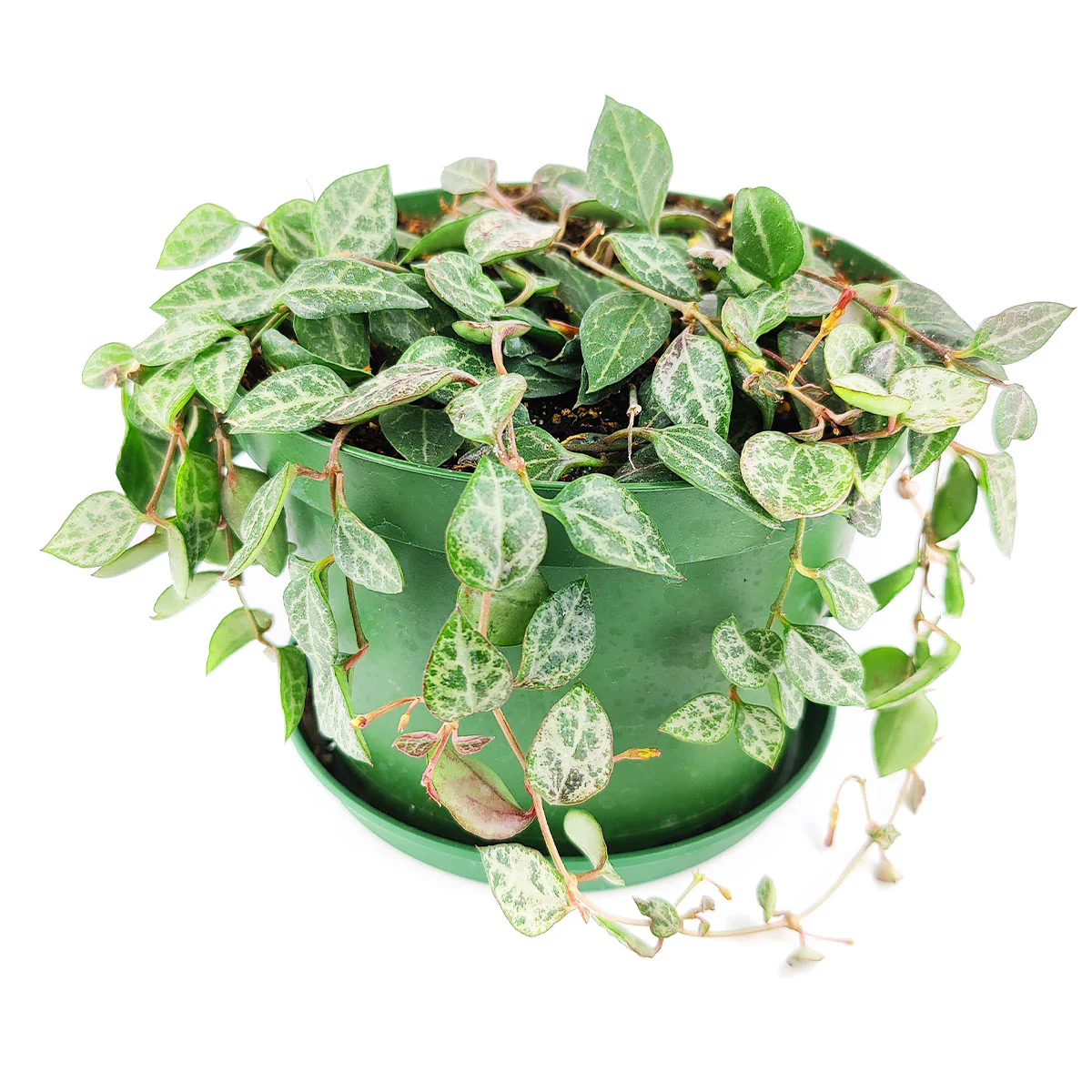
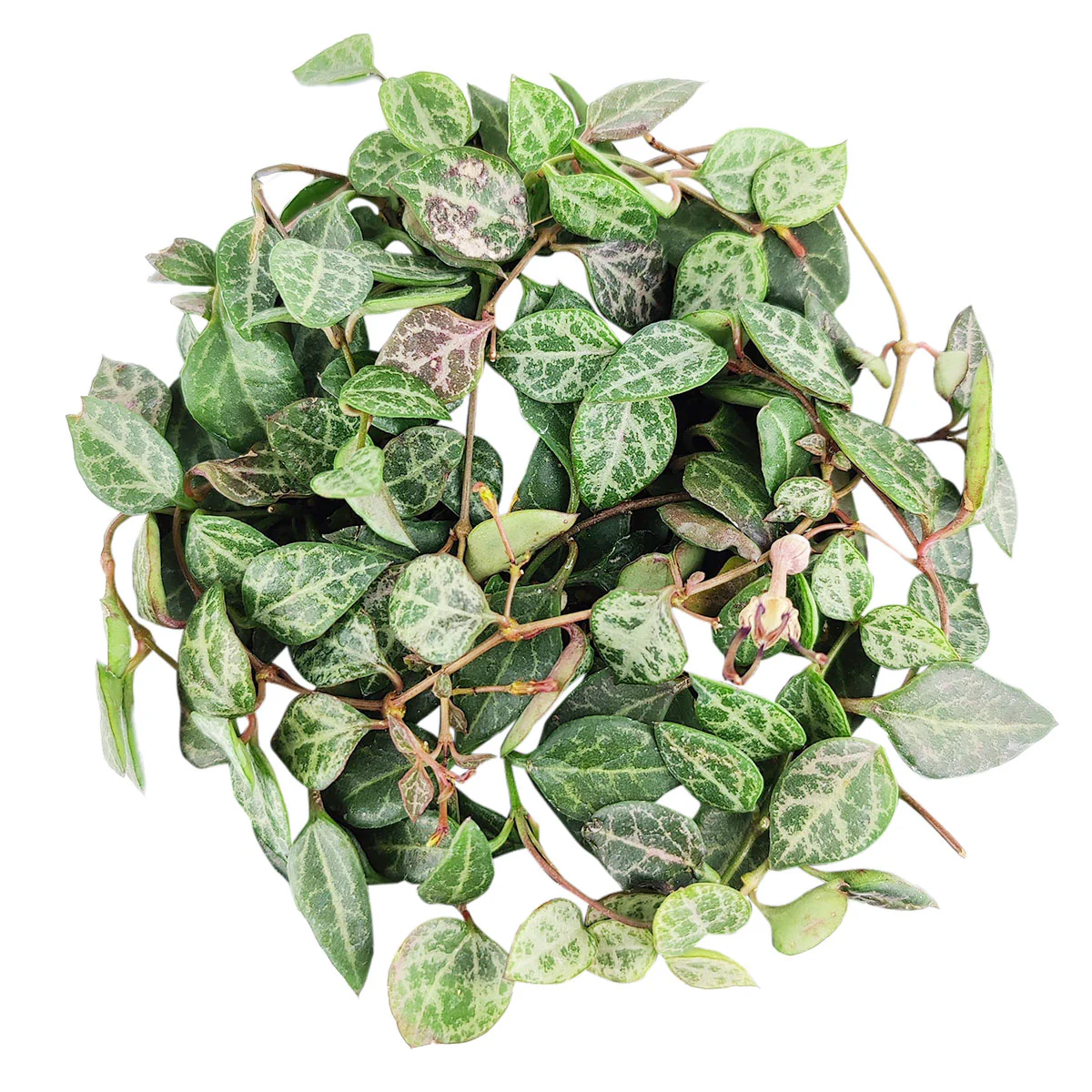
The Ludisia discolor, commonly known as the Jewel Orchid, is an extraordinary houseplant celebrated not for its blossoms, but for its mesmerizing, iridescent foliage that makes it stand out among traditional orchids.![]() The Ludisia discolor is a terrestrial (ground-dwelling) orchid species. Unlike the epiphytic (tree-dwelling) orchids commonly seen, this plant is primarily valued for its velvety leaves which range from deep brownish-green to rich olive green, dramatically marked with prominent white, silver, or pink veins and striking reddish undersides.
The Ludisia discolor is a terrestrial (ground-dwelling) orchid species. Unlike the epiphytic (tree-dwelling) orchids commonly seen, this plant is primarily valued for its velvety leaves which range from deep brownish-green to rich olive green, dramatically marked with prominent white, silver, or pink veins and striking reddish undersides.![]() Native to the forest floors of Southeast Asia, including parts of China, Thailand, Vietnam, Malaysia, Indonesia, and the Philippines.
Native to the forest floors of Southeast Asia, including parts of China, Thailand, Vietnam, Malaysia, Indonesia, and the Philippines.![]() Special about its Flower: While the plant is prized for its leaves, it does produce flowers. Slender, erect spikes emerge from the stem tips, bearing clusters of small, white, and yellow-centered flowers. They are not as showy as the flowers of most popular orchids (like Phalaenopsis) but provide a subtle, elegant display, usually in late autumn or winter.
Special about its Flower: While the plant is prized for its leaves, it does produce flowers. Slender, erect spikes emerge from the stem tips, bearing clusters of small, white, and yellow-centered flowers. They are not as showy as the flowers of most popular orchids (like Phalaenopsis) but provide a subtle, elegant display, usually in late autumn or winter.
-
![]() Low to Medium, Indirect Light. This plant is adapted to the forest floor and should be protected from direct sunlight, which will scorch its delicate leaves. It thrives in the light levels typical for a shaded window (like North or East facing).
Low to Medium, Indirect Light. This plant is adapted to the forest floor and should be protected from direct sunlight, which will scorch its delicate leaves. It thrives in the light levels typical for a shaded window (like North or East facing).![]() Keep consistently moist. Jewel orchids do not tolerate drying out. Water thoroughly when the top layer of potting medium just starts to feel dry. They require good drainage to prevent root rot, despite needing moisture.
Keep consistently moist. Jewel orchids do not tolerate drying out. Water thoroughly when the top layer of potting medium just starts to feel dry. They require good drainage to prevent root rot, despite needing moisture.![]() Needs a finer, slightly heavier medium than epiphytic orchids. Use a well-draining mix of fine orchid bark, peat moss, perlite, and/or standard potting soil. Good drainage is key.
Needs a finer, slightly heavier medium than epiphytic orchids. Use a well-draining mix of fine orchid bark, peat moss, perlite, and/or standard potting soil. Good drainage is key.![]() Prefers average room temperatures, ideally 65°F to 80°F (18°C–27°C). Avoid sudden temperature drops and cold drafts. They also appreciate higher humidity.
Prefers average room temperatures, ideally 65°F to 80°F (18°C–27°C). Avoid sudden temperature drops and cold drafts. They also appreciate higher humidity.![]() This plant should be fertilized once per month during the growing season (spring/summer) with diluted houseplant fertilizer.
This plant should be fertilized once per month during the growing season (spring/summer) with diluted houseplant fertilizer.![]() Non-toxic to cats and dogs according to the ASPCA.
Non-toxic to cats and dogs according to the ASPCA.
-
![]() Typically Zones 10-12. Grown exclusively indoors in most climates.
Typically Zones 10-12. Grown exclusively indoors in most climates.


 Low to Medium, Indirect Light. This plant is adapted to the forest floor and should be protected from direct sunlight, which will scorch its delicate leaves. It thrives in the light levels typical for a shaded window (like North or East facing).
 Keep consistently moist. Jewel orchids do not tolerate drying out. Water thoroughly when the top layer of potting medium just starts to feel dry. They require good drainage to prevent root rot, despite needing moisture.
 Needs a finer, slightly heavier medium than epiphytic orchids. Use a well-draining mix of fine orchid bark, peat moss, perlite, and/or standard potting soil. Good drainage is key.
 Prefers average room temperatures, ideally 65°F to 80°F (18°C–27°C). Avoid sudden temperature drops and cold drafts. They also appreciate higher humidity.
 This plant should be fertilized once per month during the growing season (spring/summer) with diluted houseplant fertilizer.
 Non-toxic to cats and dogs according to the ASPCA.
 Typically Zones 10-12. Grown exclusively indoors in most climates.
Select Size
From $8.10
Original: $26.99
-70%Ludisia Discolor—
$26.99
$8.10Product Information
Product Information
Shipping & Returns
Shipping & Returns
Description
-
![]() The Ludisia discolor, commonly known as the Jewel Orchid, is an extraordinary houseplant celebrated not for its blossoms, but for its mesmerizing, iridescent foliage that makes it stand out among traditional orchids.
The Ludisia discolor, commonly known as the Jewel Orchid, is an extraordinary houseplant celebrated not for its blossoms, but for its mesmerizing, iridescent foliage that makes it stand out among traditional orchids.![]() The Ludisia discolor is a terrestrial (ground-dwelling) orchid species. Unlike the epiphytic (tree-dwelling) orchids commonly seen, this plant is primarily valued for its velvety leaves which range from deep brownish-green to rich olive green, dramatically marked with prominent white, silver, or pink veins and striking reddish undersides.
The Ludisia discolor is a terrestrial (ground-dwelling) orchid species. Unlike the epiphytic (tree-dwelling) orchids commonly seen, this plant is primarily valued for its velvety leaves which range from deep brownish-green to rich olive green, dramatically marked with prominent white, silver, or pink veins and striking reddish undersides.![]() Native to the forest floors of Southeast Asia, including parts of China, Thailand, Vietnam, Malaysia, Indonesia, and the Philippines.
Native to the forest floors of Southeast Asia, including parts of China, Thailand, Vietnam, Malaysia, Indonesia, and the Philippines.![]() Special about its Flower: While the plant is prized for its leaves, it does produce flowers. Slender, erect spikes emerge from the stem tips, bearing clusters of small, white, and yellow-centered flowers. They are not as showy as the flowers of most popular orchids (like Phalaenopsis) but provide a subtle, elegant display, usually in late autumn or winter.
Special about its Flower: While the plant is prized for its leaves, it does produce flowers. Slender, erect spikes emerge from the stem tips, bearing clusters of small, white, and yellow-centered flowers. They are not as showy as the flowers of most popular orchids (like Phalaenopsis) but provide a subtle, elegant display, usually in late autumn or winter.
-
![]() Low to Medium, Indirect Light. This plant is adapted to the forest floor and should be protected from direct sunlight, which will scorch its delicate leaves. It thrives in the light levels typical for a shaded window (like North or East facing).
Low to Medium, Indirect Light. This plant is adapted to the forest floor and should be protected from direct sunlight, which will scorch its delicate leaves. It thrives in the light levels typical for a shaded window (like North or East facing).![]() Keep consistently moist. Jewel orchids do not tolerate drying out. Water thoroughly when the top layer of potting medium just starts to feel dry. They require good drainage to prevent root rot, despite needing moisture.
Keep consistently moist. Jewel orchids do not tolerate drying out. Water thoroughly when the top layer of potting medium just starts to feel dry. They require good drainage to prevent root rot, despite needing moisture.![]() Needs a finer, slightly heavier medium than epiphytic orchids. Use a well-draining mix of fine orchid bark, peat moss, perlite, and/or standard potting soil. Good drainage is key.
Needs a finer, slightly heavier medium than epiphytic orchids. Use a well-draining mix of fine orchid bark, peat moss, perlite, and/or standard potting soil. Good drainage is key.![]() Prefers average room temperatures, ideally 65°F to 80°F (18°C–27°C). Avoid sudden temperature drops and cold drafts. They also appreciate higher humidity.
Prefers average room temperatures, ideally 65°F to 80°F (18°C–27°C). Avoid sudden temperature drops and cold drafts. They also appreciate higher humidity.![]() This plant should be fertilized once per month during the growing season (spring/summer) with diluted houseplant fertilizer.
This plant should be fertilized once per month during the growing season (spring/summer) with diluted houseplant fertilizer.![]() Non-toxic to cats and dogs according to the ASPCA.
Non-toxic to cats and dogs according to the ASPCA.
-
![]() Typically Zones 10-12. Grown exclusively indoors in most climates.
Typically Zones 10-12. Grown exclusively indoors in most climates.