🚚 Free Worldwide Shipping on All Orders!Shop Now



Hoya Insularis
-
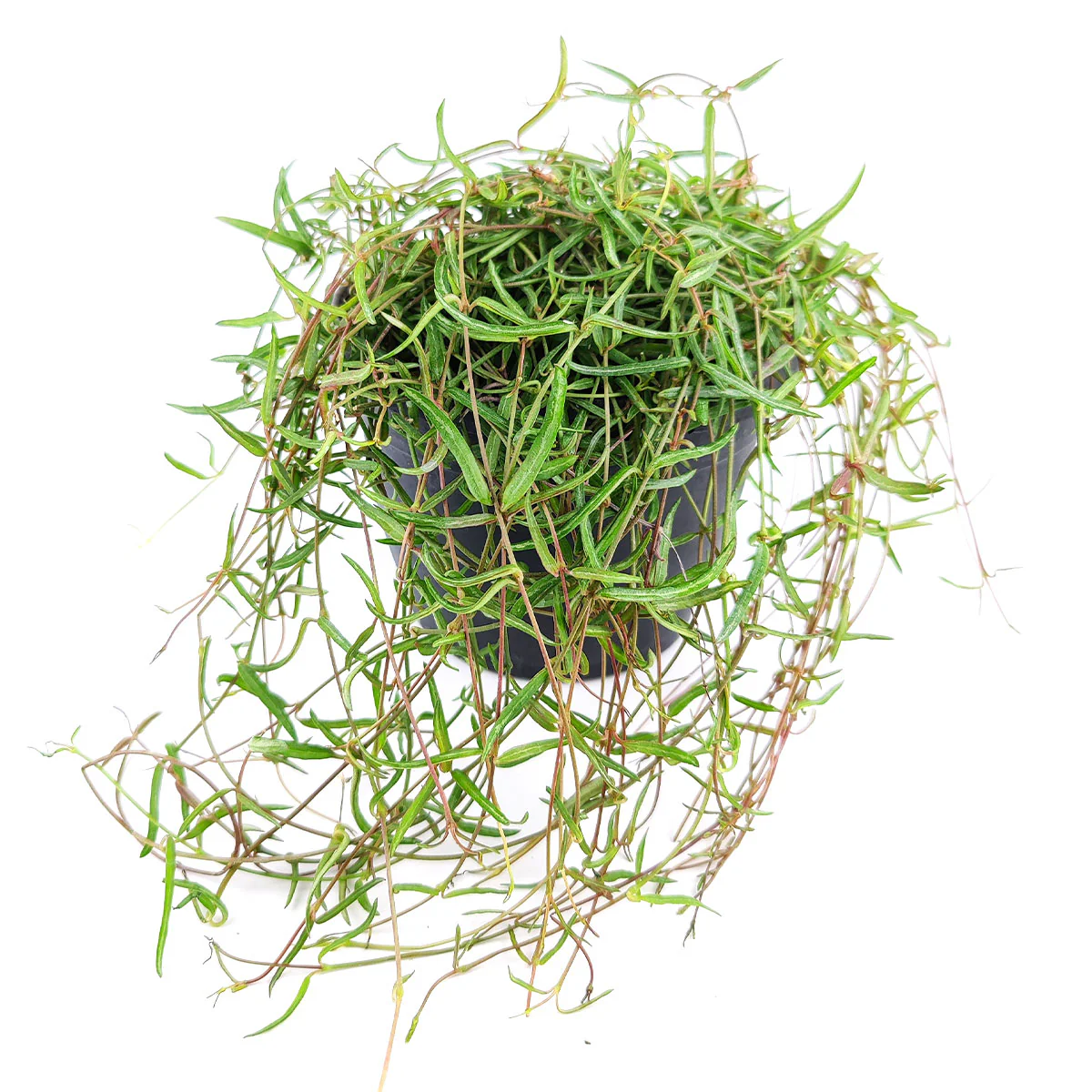
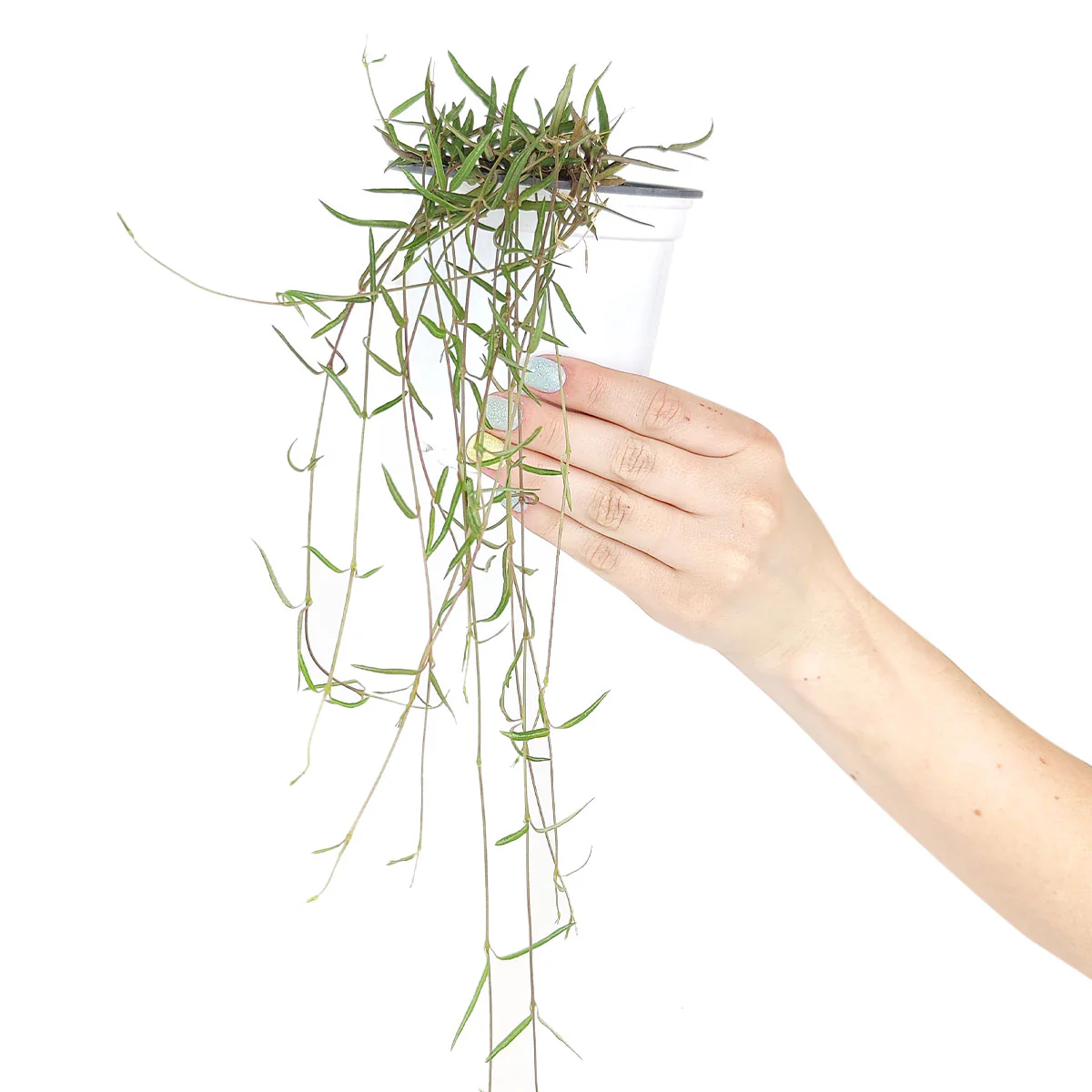
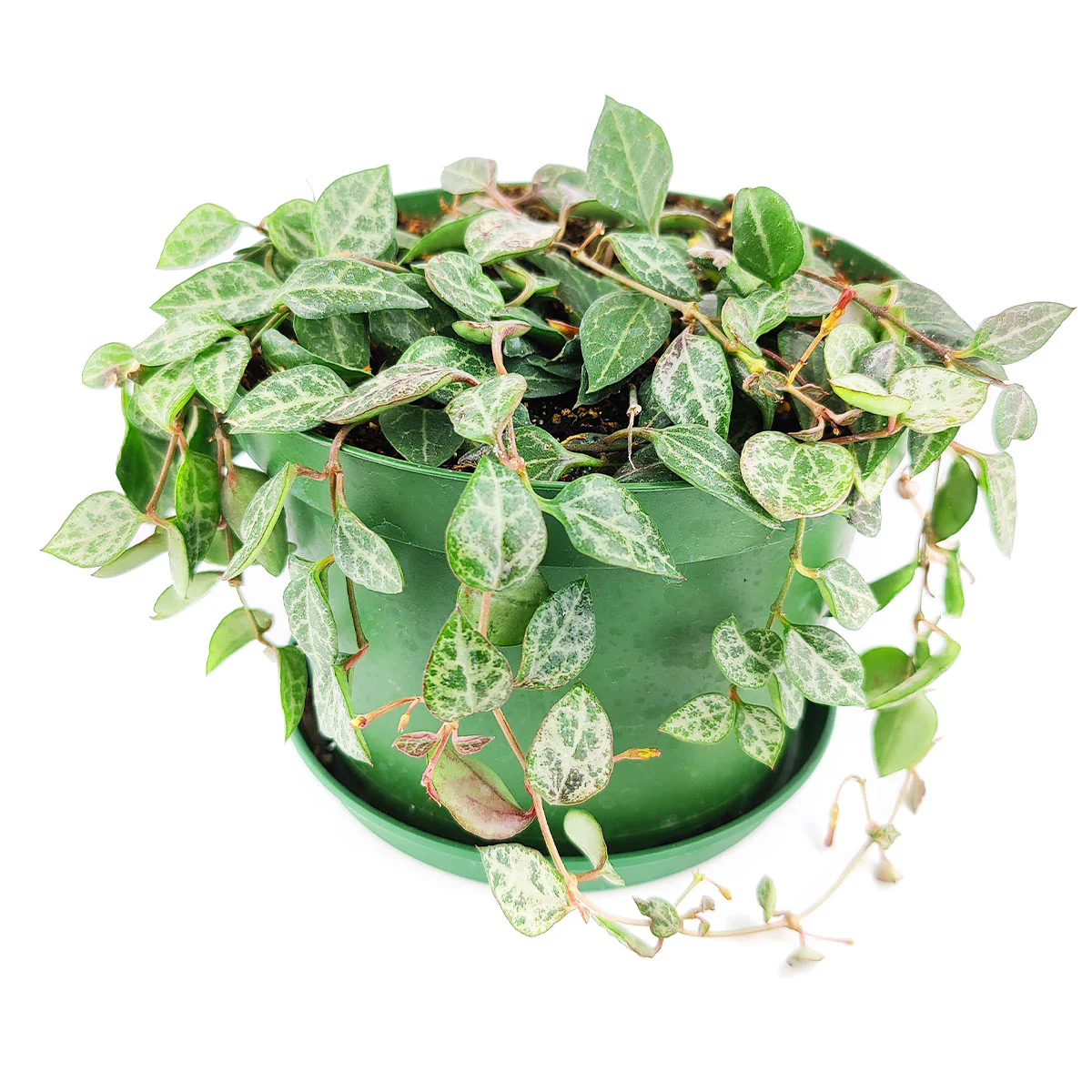
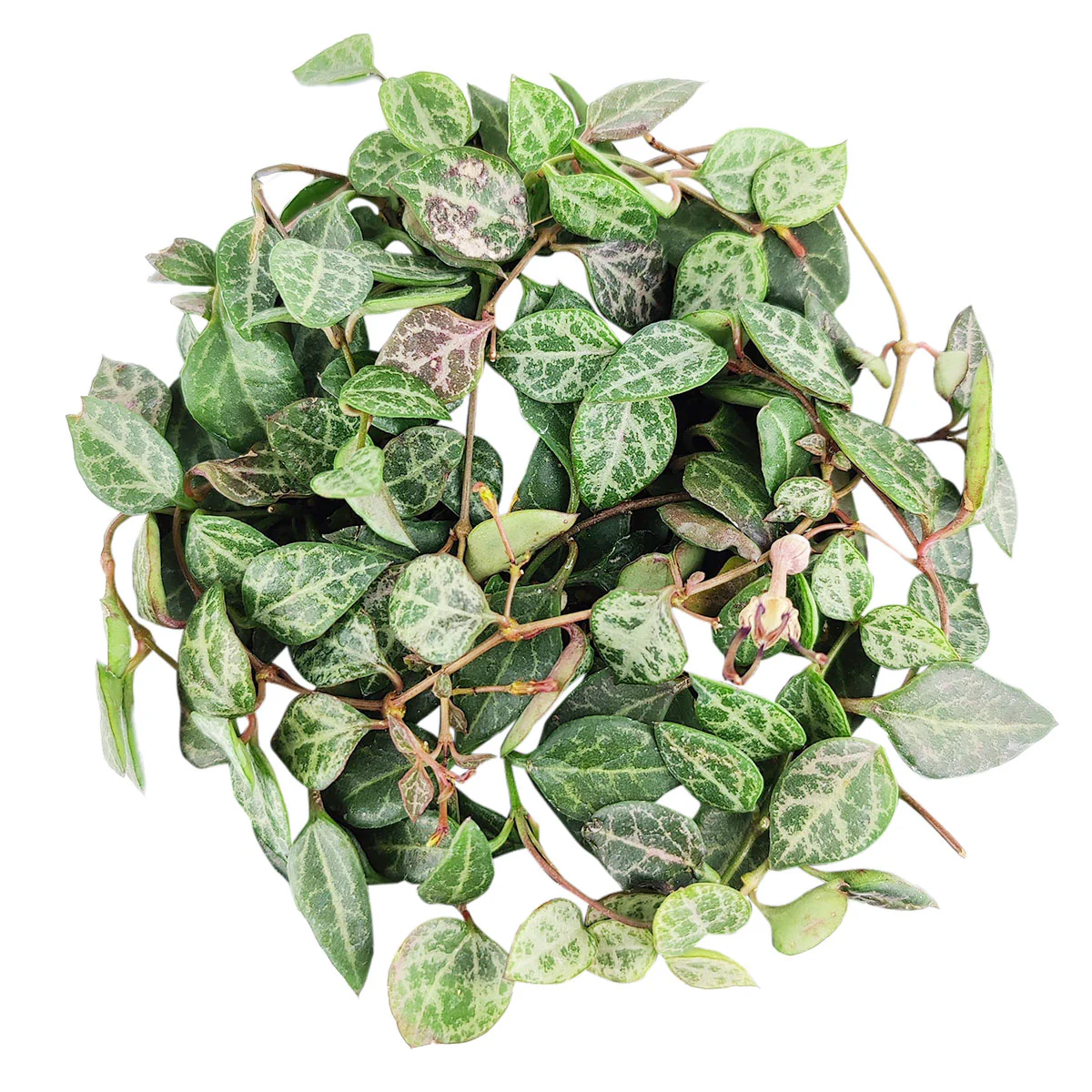
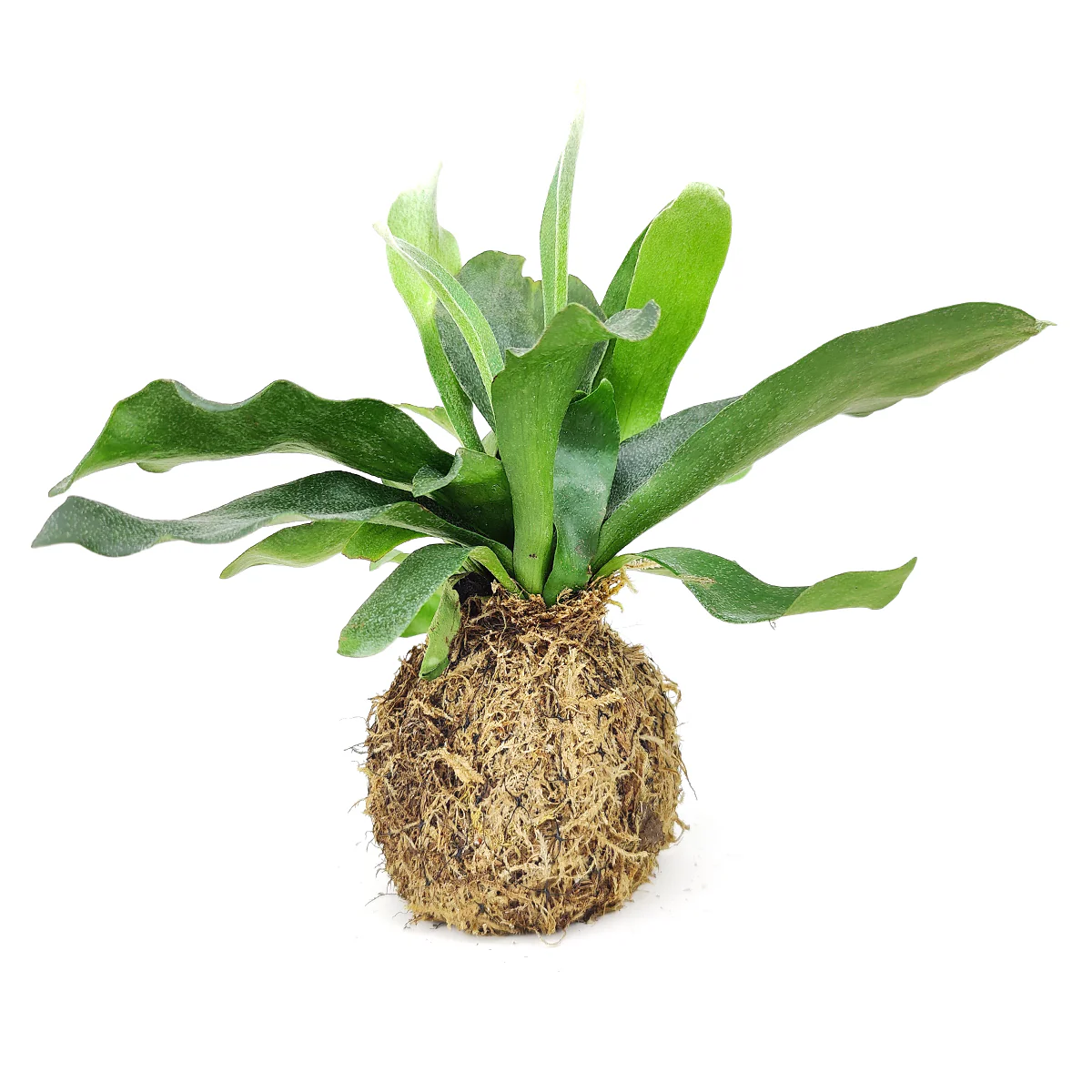
![]() The Hoya insularis (reclassified as Anatropanthus borneensis) is an extraordinary rarity in the Hoya world. It stands out immediately due to its incredibly unique foliage and a growth habit that looks more like a prehistoric fern than a typical wax plant.
The Hoya insularis (reclassified as Anatropanthus borneensis) is an extraordinary rarity in the Hoya world. It stands out immediately due to its incredibly unique foliage and a growth habit that looks more like a prehistoric fern than a typical wax plant.![]() Formerly known as Hoya insularis, this plant is native to the island of Borneo. It grows as an epiphyte in tropical rainforests. While it was long categorized under the Hoya genus, its unique floral structure eventually led botanists to classify it as Anatropanthus borneensis, though most collectors still affectionately refer to it as a Hoya.
Formerly known as Hoya insularis, this plant is native to the island of Borneo. It grows as an epiphyte in tropical rainforests. While it was long categorized under the Hoya genus, its unique floral structure eventually led botanists to classify it as Anatropanthus borneensis, though most collectors still affectionately refer to it as a Hoya.![]() The blooms are fascinating! They are star-shaped and fragrant, often appearing in small clusters. A unique trait is that their color can shift - ranging from creamy yellow to soft green—depending on the intensity of light the plant receives.
The blooms are fascinating! They are star-shaped and fragrant, often appearing in small clusters. A unique trait is that their color can shift - ranging from creamy yellow to soft green—depending on the intensity of light the plant receives.
-
![]() Bright, indirect light. Avoid harsh midday sun, which can yellow the thin, needle-like leaves.
Bright, indirect light. Avoid harsh midday sun, which can yellow the thin, needle-like leaves.![]() Prefers to stay slightly more moist than typical thick-leaved Hoyas. Water when the top inch of soil is dry.
Prefers to stay slightly more moist than typical thick-leaved Hoyas. Water when the top inch of soil is dry.![]() Use a well-draining but moisture-retentive mix. A blend of fine bark, perlite, and a bit of sphagnum moss works well.
Use a well-draining but moisture-retentive mix. A blend of fine bark, perlite, and a bit of sphagnum moss works well.![]() Loves warmth! Keep between 70°F and 85°F (21°C - 29°C). It is very sensitive to cold.
Loves warmth! Keep between 70°F and 85°F (21°C - 29°C). It is very sensitive to cold.![]() This plant should be fertilized once during the growing season (spring/summer) with diluted houseplant fertilizer.
This plant should be fertilized once during the growing season (spring/summer) with diluted houseplant fertilizer.![]() Like other wax plants, it is generally considered non-toxic to cats and dogs, though its sap should not be ingested.
Like other wax plants, it is generally considered non-toxic to cats and dogs, though its sap should not be ingested.
-
![]() Zones 11-12 (Strictly a tropical indoor plant).
Zones 11-12 (Strictly a tropical indoor plant).


 Bright, indirect light. Avoid harsh midday sun, which can yellow the thin, needle-like leaves.
 Prefers to stay slightly more moist than typical thick-leaved Hoyas. Water when the top inch of soil is dry.
 Use a well-draining but moisture-retentive mix. A blend of fine bark, perlite, and a bit of sphagnum moss works well.
 Loves warmth! Keep between 70°F and 85°F (21°C - 29°C). It is very sensitive to cold.
 This plant should be fertilized once during the growing season (spring/summer) with diluted houseplant fertilizer.
 Zones 11-12 (Strictly a tropical indoor plant).
$12.30
Original: $40.99
-70%Hoya Insularis—
$40.99
$12.30Product Information
Product Information
Shipping & Returns
Shipping & Returns
Description
-
![]() The Hoya insularis (reclassified as Anatropanthus borneensis) is an extraordinary rarity in the Hoya world. It stands out immediately due to its incredibly unique foliage and a growth habit that looks more like a prehistoric fern than a typical wax plant.
The Hoya insularis (reclassified as Anatropanthus borneensis) is an extraordinary rarity in the Hoya world. It stands out immediately due to its incredibly unique foliage and a growth habit that looks more like a prehistoric fern than a typical wax plant.![]() Formerly known as Hoya insularis, this plant is native to the island of Borneo. It grows as an epiphyte in tropical rainforests. While it was long categorized under the Hoya genus, its unique floral structure eventually led botanists to classify it as Anatropanthus borneensis, though most collectors still affectionately refer to it as a Hoya.
Formerly known as Hoya insularis, this plant is native to the island of Borneo. It grows as an epiphyte in tropical rainforests. While it was long categorized under the Hoya genus, its unique floral structure eventually led botanists to classify it as Anatropanthus borneensis, though most collectors still affectionately refer to it as a Hoya.![]() The blooms are fascinating! They are star-shaped and fragrant, often appearing in small clusters. A unique trait is that their color can shift - ranging from creamy yellow to soft green—depending on the intensity of light the plant receives.
The blooms are fascinating! They are star-shaped and fragrant, often appearing in small clusters. A unique trait is that their color can shift - ranging from creamy yellow to soft green—depending on the intensity of light the plant receives.
-
![]() Bright, indirect light. Avoid harsh midday sun, which can yellow the thin, needle-like leaves.
Bright, indirect light. Avoid harsh midday sun, which can yellow the thin, needle-like leaves.![]() Prefers to stay slightly more moist than typical thick-leaved Hoyas. Water when the top inch of soil is dry.
Prefers to stay slightly more moist than typical thick-leaved Hoyas. Water when the top inch of soil is dry.![]() Use a well-draining but moisture-retentive mix. A blend of fine bark, perlite, and a bit of sphagnum moss works well.
Use a well-draining but moisture-retentive mix. A blend of fine bark, perlite, and a bit of sphagnum moss works well.![]() Loves warmth! Keep between 70°F and 85°F (21°C - 29°C). It is very sensitive to cold.
Loves warmth! Keep between 70°F and 85°F (21°C - 29°C). It is very sensitive to cold.![]() This plant should be fertilized once during the growing season (spring/summer) with diluted houseplant fertilizer.
This plant should be fertilized once during the growing season (spring/summer) with diluted houseplant fertilizer.![]() Like other wax plants, it is generally considered non-toxic to cats and dogs, though its sap should not be ingested.
Like other wax plants, it is generally considered non-toxic to cats and dogs, though its sap should not be ingested.
-
![]() Zones 11-12 (Strictly a tropical indoor plant).
Zones 11-12 (Strictly a tropical indoor plant).