🚚 Free Worldwide Shipping on All Orders!Shop Now



Gasteria bicolor f. variegata
-
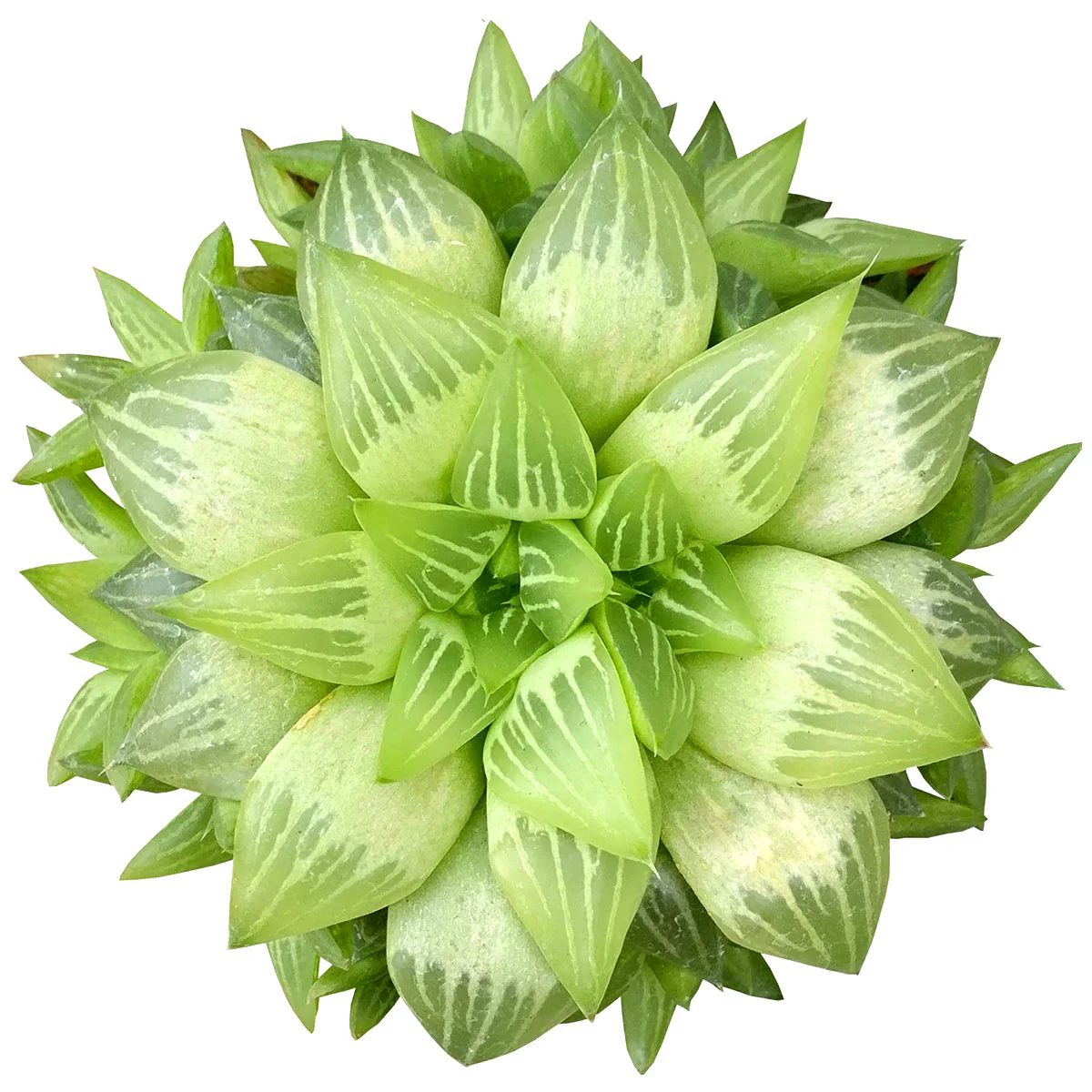
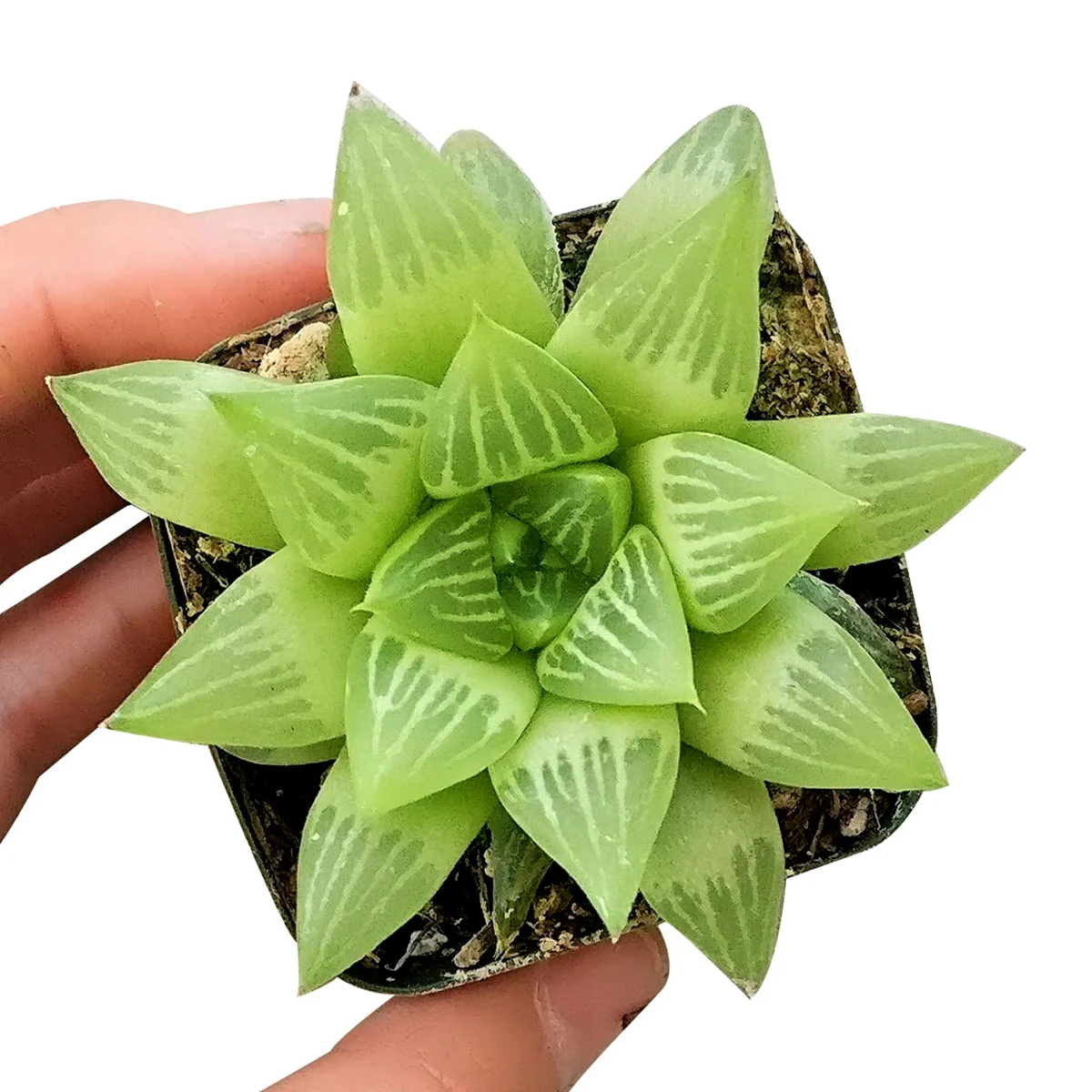
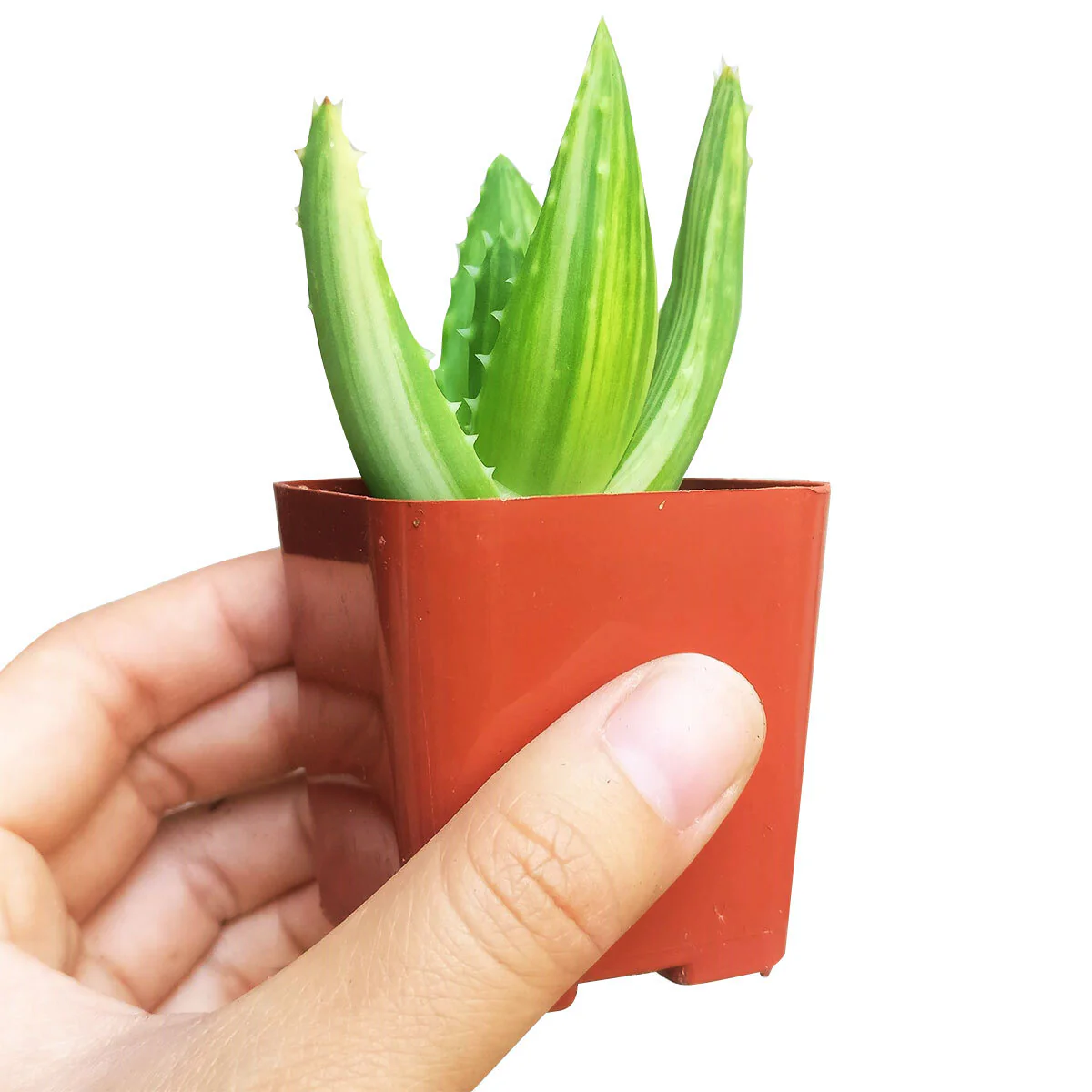
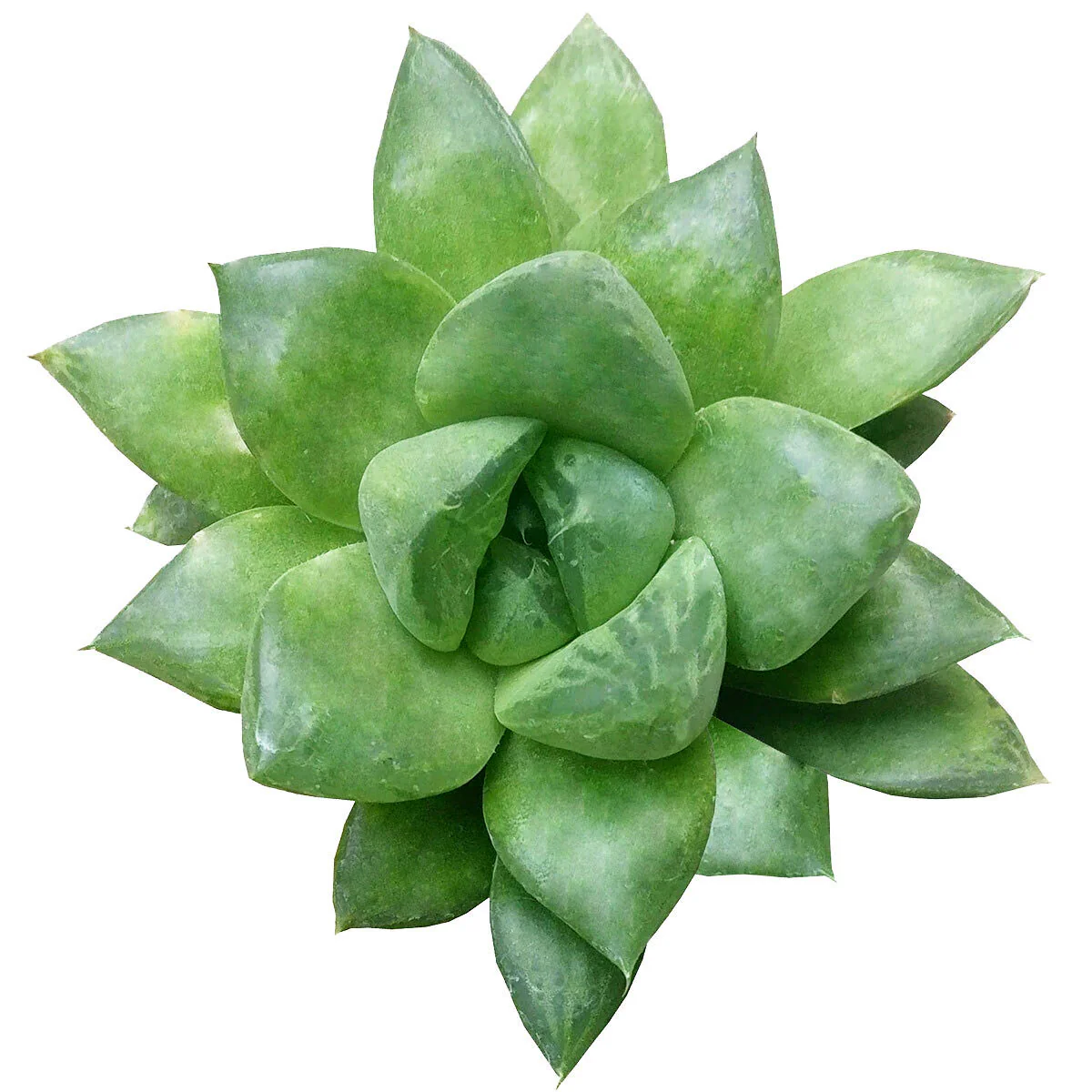
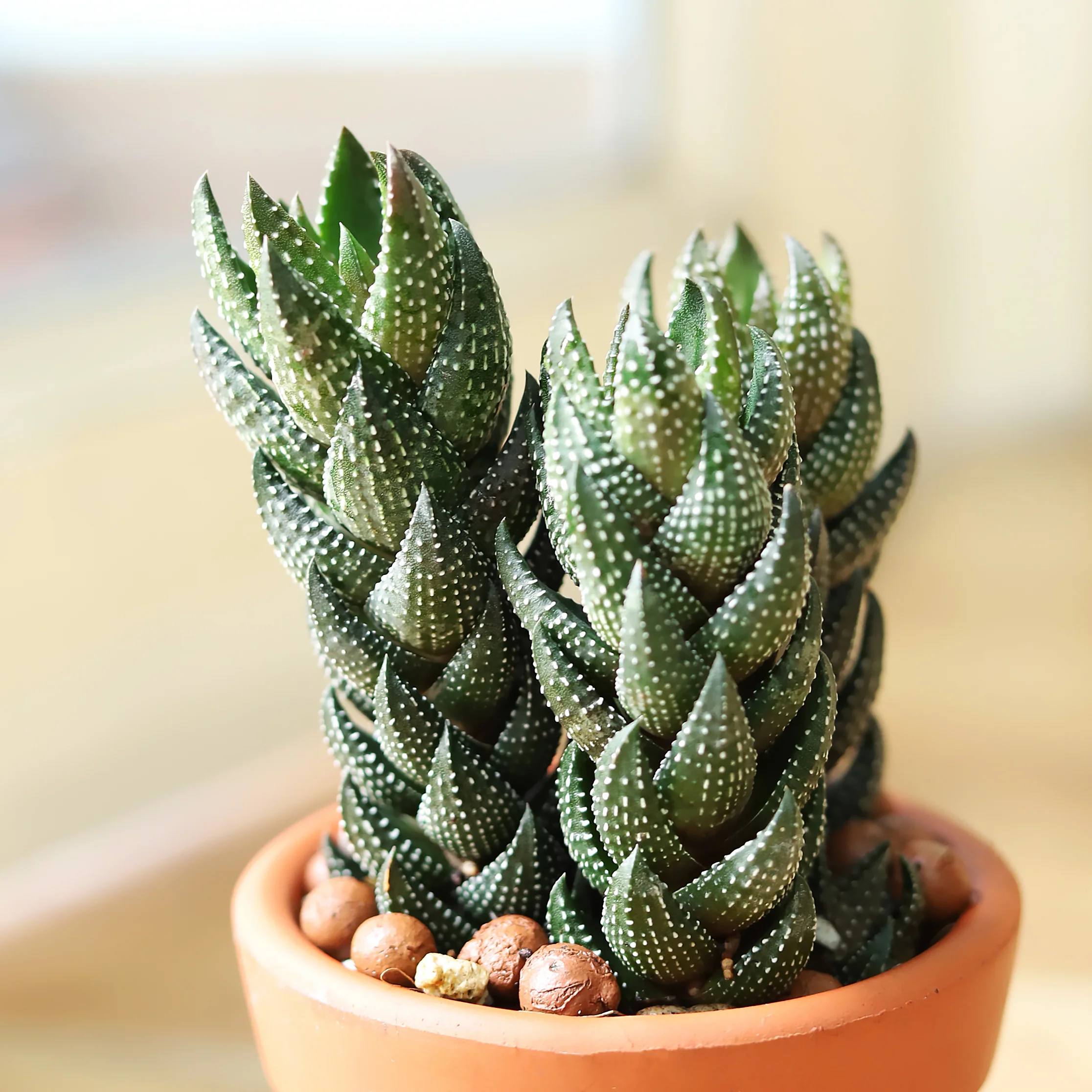
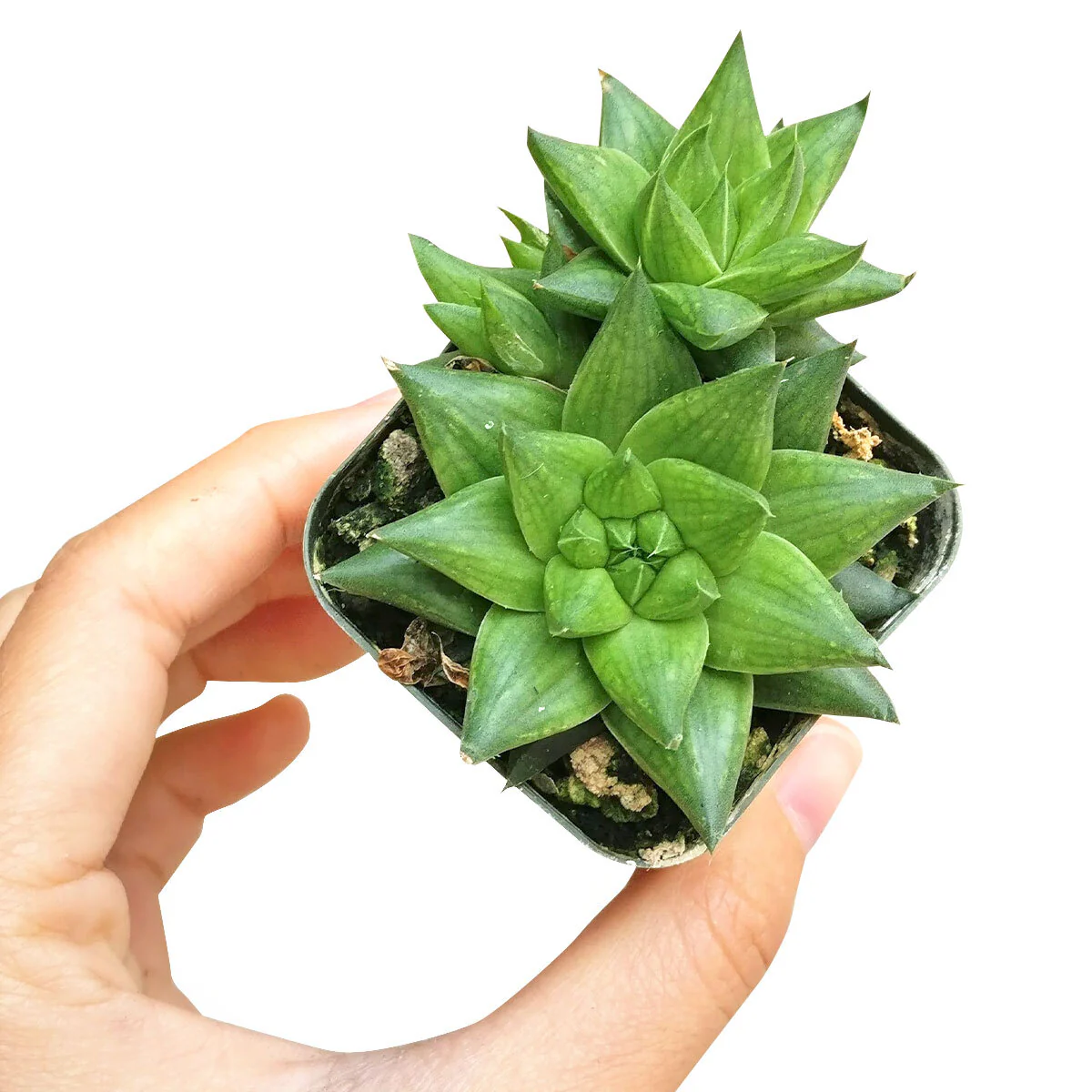
![]() Commonly known as the Variegated Lawyer’s Tongue, this charming succulent is a standout cultivar of the Gasteria bicolor. It is characterized by its thick, tongue-shaped leaves that grow in a beautiful rosette or stacked pattern. The "f. variegata" signifies its most striking feature: vertical streaks of creamy white or pale yellow that contrast against a deep forest-green base.
Commonly known as the Variegated Lawyer’s Tongue, this charming succulent is a standout cultivar of the Gasteria bicolor. It is characterized by its thick, tongue-shaped leaves that grow in a beautiful rosette or stacked pattern. The "f. variegata" signifies its most striking feature: vertical streaks of creamy white or pale yellow that contrast against a deep forest-green base.![]() This species is native to the Eastern Cape of South Africa. In the wild, it often grows in the shade of larger shrubs or tucked into rocky crevices, which makes it uniquely adapted to lower light levels than many other succulents.
This species is native to the Eastern Cape of South Africa. In the wild, it often grows in the shade of larger shrubs or tucked into rocky crevices, which makes it uniquely adapted to lower light levels than many other succulents.![]() The name Gasteria comes from the Greek word "gaster," meaning stomach. This refers to the plant's unique, pendulous flowers which are curved and swollen at the base, resembling tiny pink or reddish stomachs. These blooms appear on long, elegant stalks (inflorescences) usually in late winter or spring.
The name Gasteria comes from the Greek word "gaster," meaning stomach. This refers to the plant's unique, pendulous flowers which are curved and swollen at the base, resembling tiny pink or reddish stomachs. These blooms appear on long, elegant stalks (inflorescences) usually in late winter or spring.
-
![]() Partial Shade to Bright Indirect Light. Avoid harsh, direct afternoon sun which can scorch the variegated patches.
Partial Shade to Bright Indirect Light. Avoid harsh, direct afternoon sun which can scorch the variegated patches.![]() Well-draining cactus or succulent mix. Ideally a blend with perlite, pumice, or coarse sand to prevent root rot.
Well-draining cactus or succulent mix. Ideally a blend with perlite, pumice, or coarse sand to prevent root rot.![]() The "Soak and Dry" method. Water deeply, then let the soil dry out completely before watering again. Reduce frequency in winter.
The "Soak and Dry" method. Water deeply, then let the soil dry out completely before watering again. Reduce frequency in winter. -
9 to 11. Typically grown as an indoor plant in cooler climates.
![]()


 Partial Shade to Bright Indirect Light. Avoid harsh, direct afternoon sun which can scorch the variegated patches.
 Well-draining cactus or succulent mix. Ideally a blend with perlite, pumice, or coarse sand to prevent root rot.
 The "Soak and Dry" method. Water deeply, then let the soil dry out completely before watering again. Reduce frequency in winter.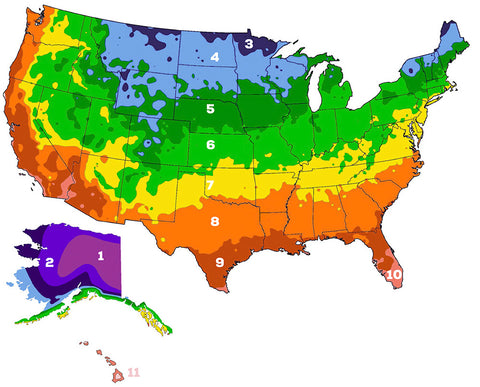
Select Size
Select Style
From $11.99
Gasteria bicolor f. variegata—
$11.99
Product Information
Product Information
Shipping & Returns
Shipping & Returns
Description
-
![]() Commonly known as the Variegated Lawyer’s Tongue, this charming succulent is a standout cultivar of the Gasteria bicolor. It is characterized by its thick, tongue-shaped leaves that grow in a beautiful rosette or stacked pattern. The "f. variegata" signifies its most striking feature: vertical streaks of creamy white or pale yellow that contrast against a deep forest-green base.
Commonly known as the Variegated Lawyer’s Tongue, this charming succulent is a standout cultivar of the Gasteria bicolor. It is characterized by its thick, tongue-shaped leaves that grow in a beautiful rosette or stacked pattern. The "f. variegata" signifies its most striking feature: vertical streaks of creamy white or pale yellow that contrast against a deep forest-green base.![]() This species is native to the Eastern Cape of South Africa. In the wild, it often grows in the shade of larger shrubs or tucked into rocky crevices, which makes it uniquely adapted to lower light levels than many other succulents.
This species is native to the Eastern Cape of South Africa. In the wild, it often grows in the shade of larger shrubs or tucked into rocky crevices, which makes it uniquely adapted to lower light levels than many other succulents.![]() The name Gasteria comes from the Greek word "gaster," meaning stomach. This refers to the plant's unique, pendulous flowers which are curved and swollen at the base, resembling tiny pink or reddish stomachs. These blooms appear on long, elegant stalks (inflorescences) usually in late winter or spring.
The name Gasteria comes from the Greek word "gaster," meaning stomach. This refers to the plant's unique, pendulous flowers which are curved and swollen at the base, resembling tiny pink or reddish stomachs. These blooms appear on long, elegant stalks (inflorescences) usually in late winter or spring.
-
![]() Partial Shade to Bright Indirect Light. Avoid harsh, direct afternoon sun which can scorch the variegated patches.
Partial Shade to Bright Indirect Light. Avoid harsh, direct afternoon sun which can scorch the variegated patches.![]() Well-draining cactus or succulent mix. Ideally a blend with perlite, pumice, or coarse sand to prevent root rot.
Well-draining cactus or succulent mix. Ideally a blend with perlite, pumice, or coarse sand to prevent root rot.![]() The "Soak and Dry" method. Water deeply, then let the soil dry out completely before watering again. Reduce frequency in winter.
The "Soak and Dry" method. Water deeply, then let the soil dry out completely before watering again. Reduce frequency in winter. -
9 to 11. Typically grown as an indoor plant in cooler climates.
![]()