🚚 Free Worldwide Shipping on All Orders!Shop Now



Echeveria Blue Bird
-
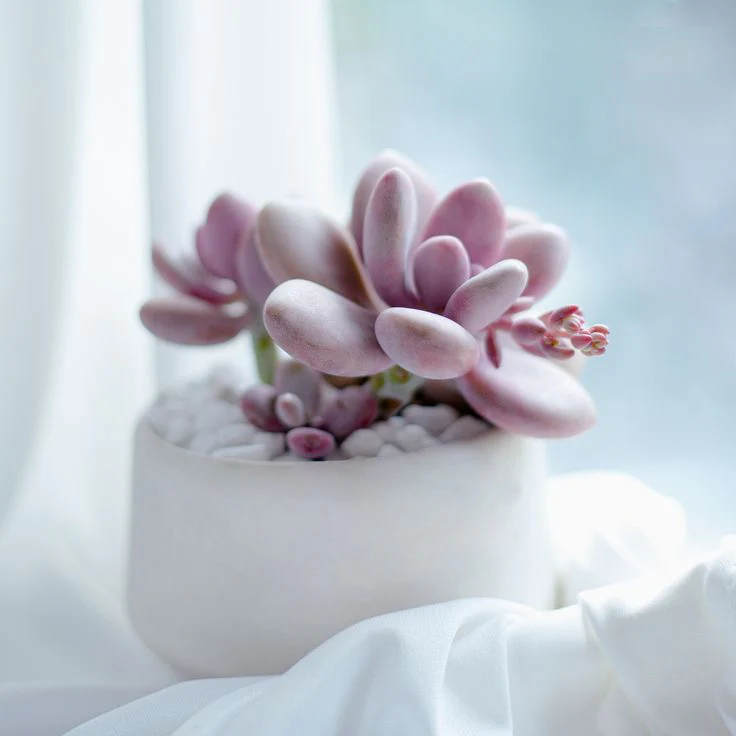
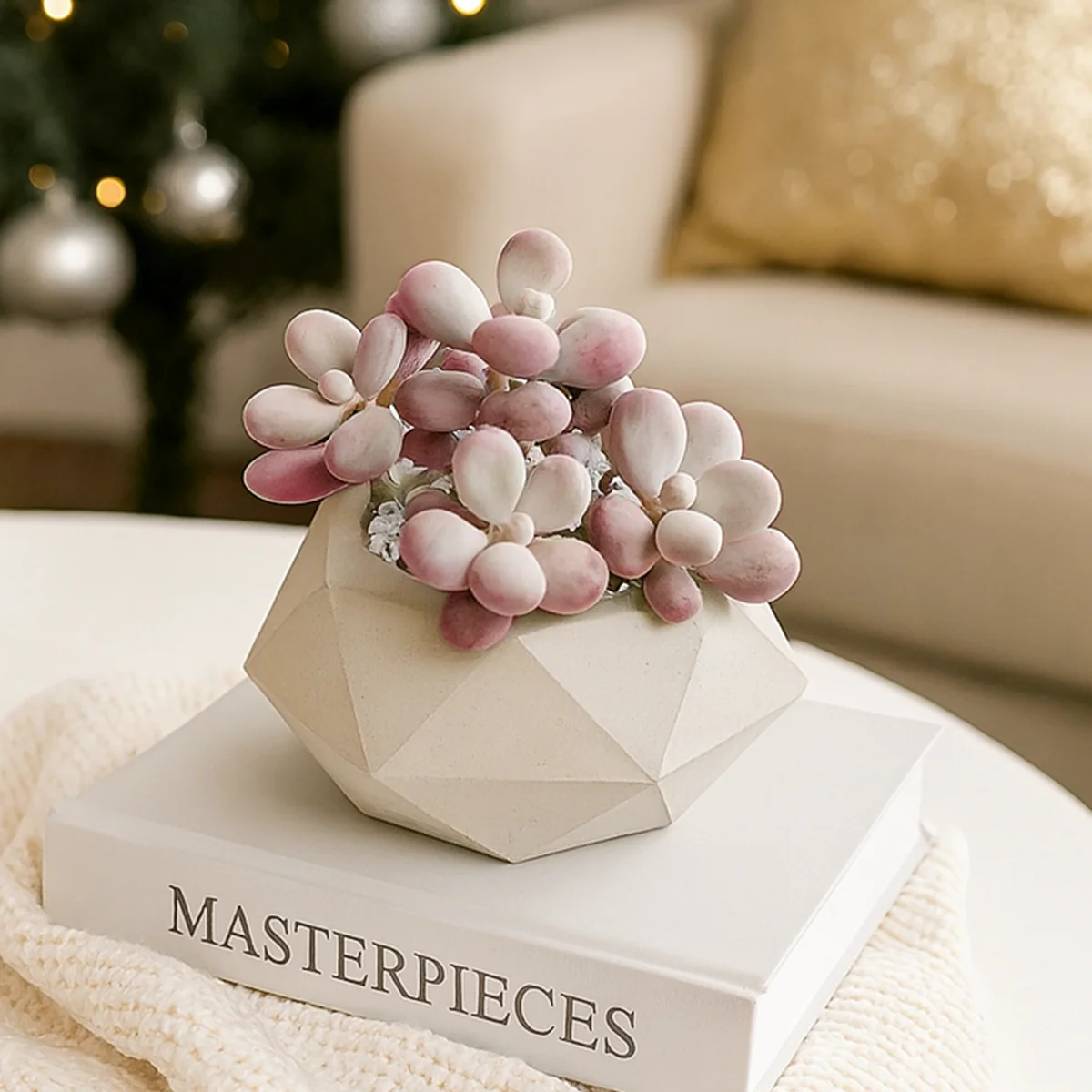
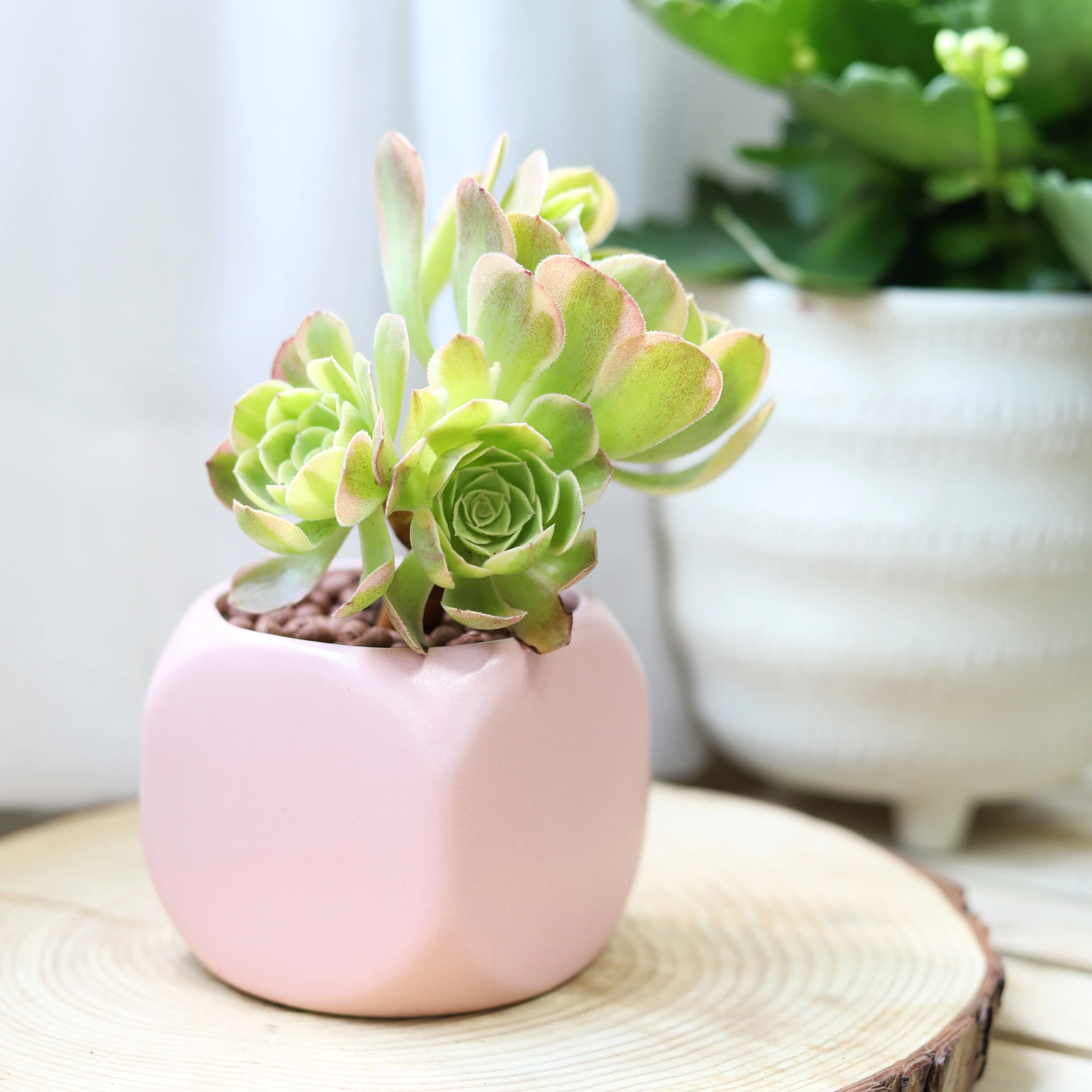
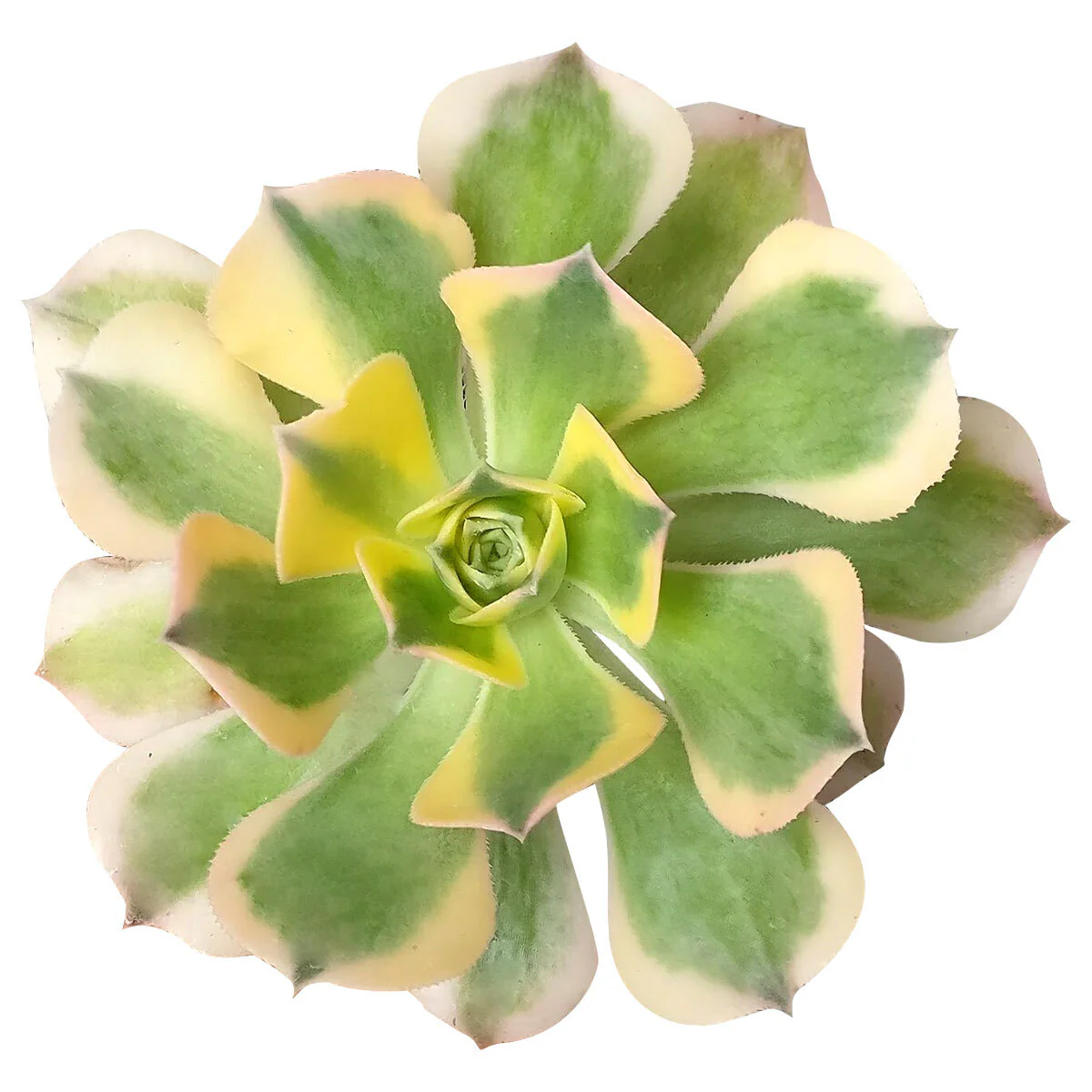
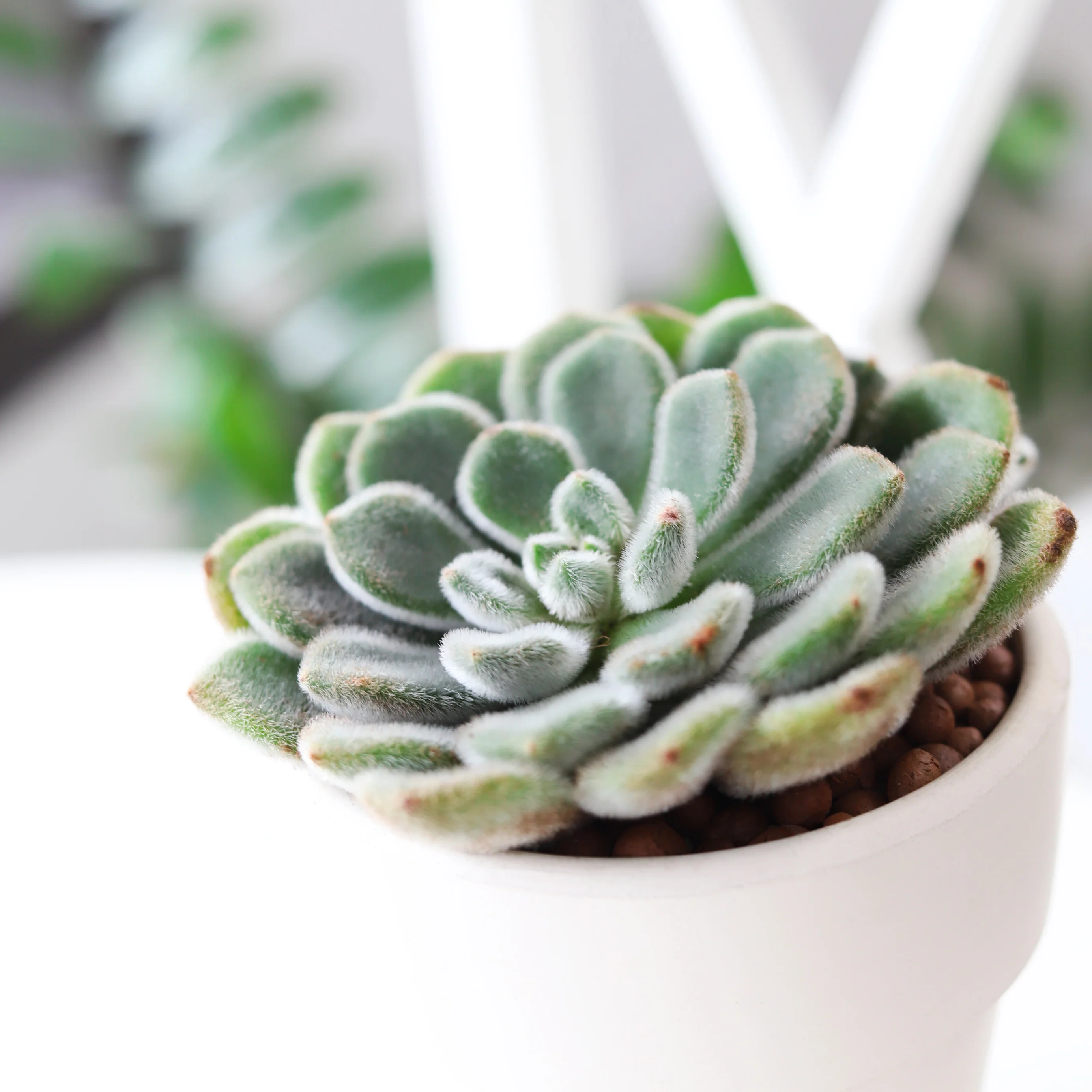
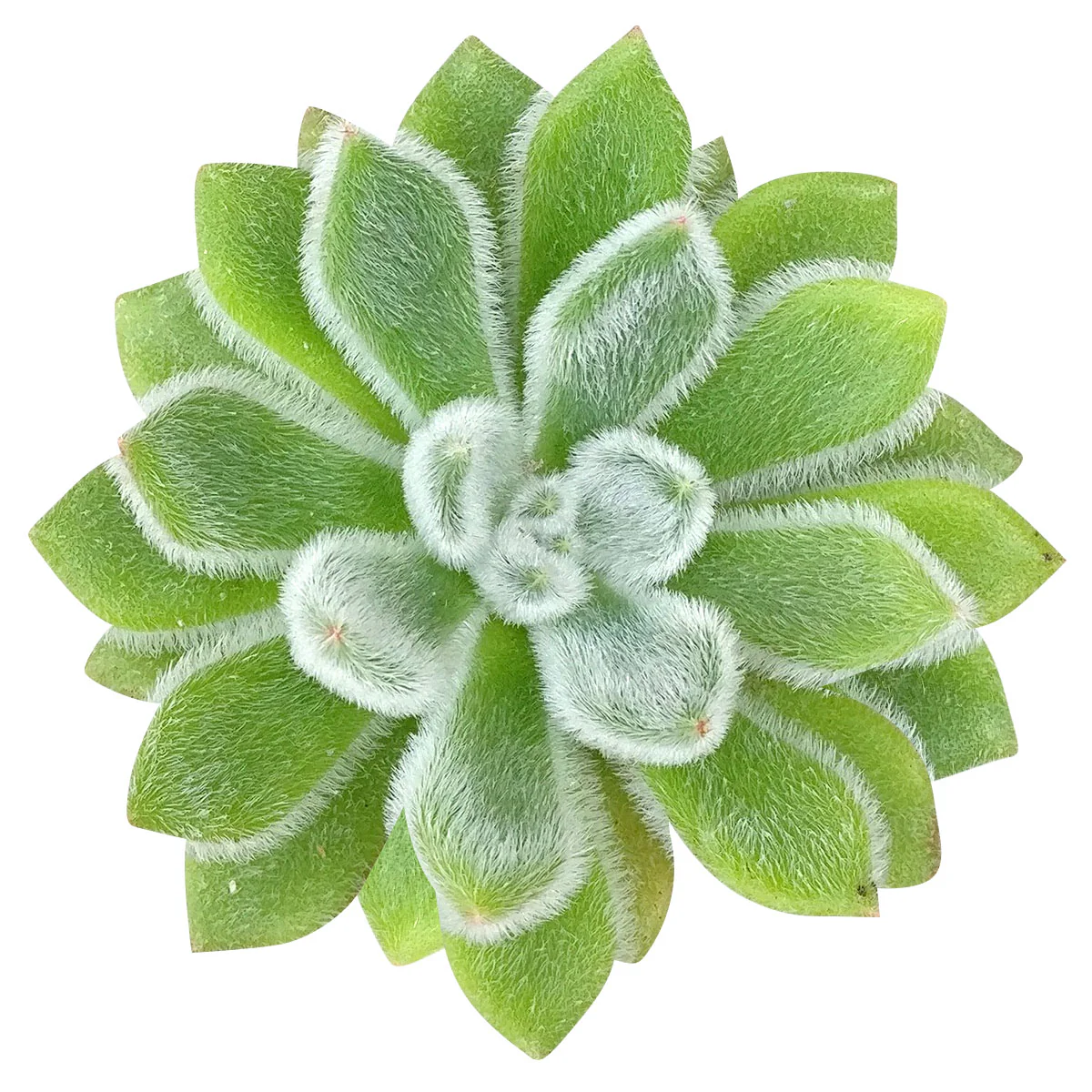
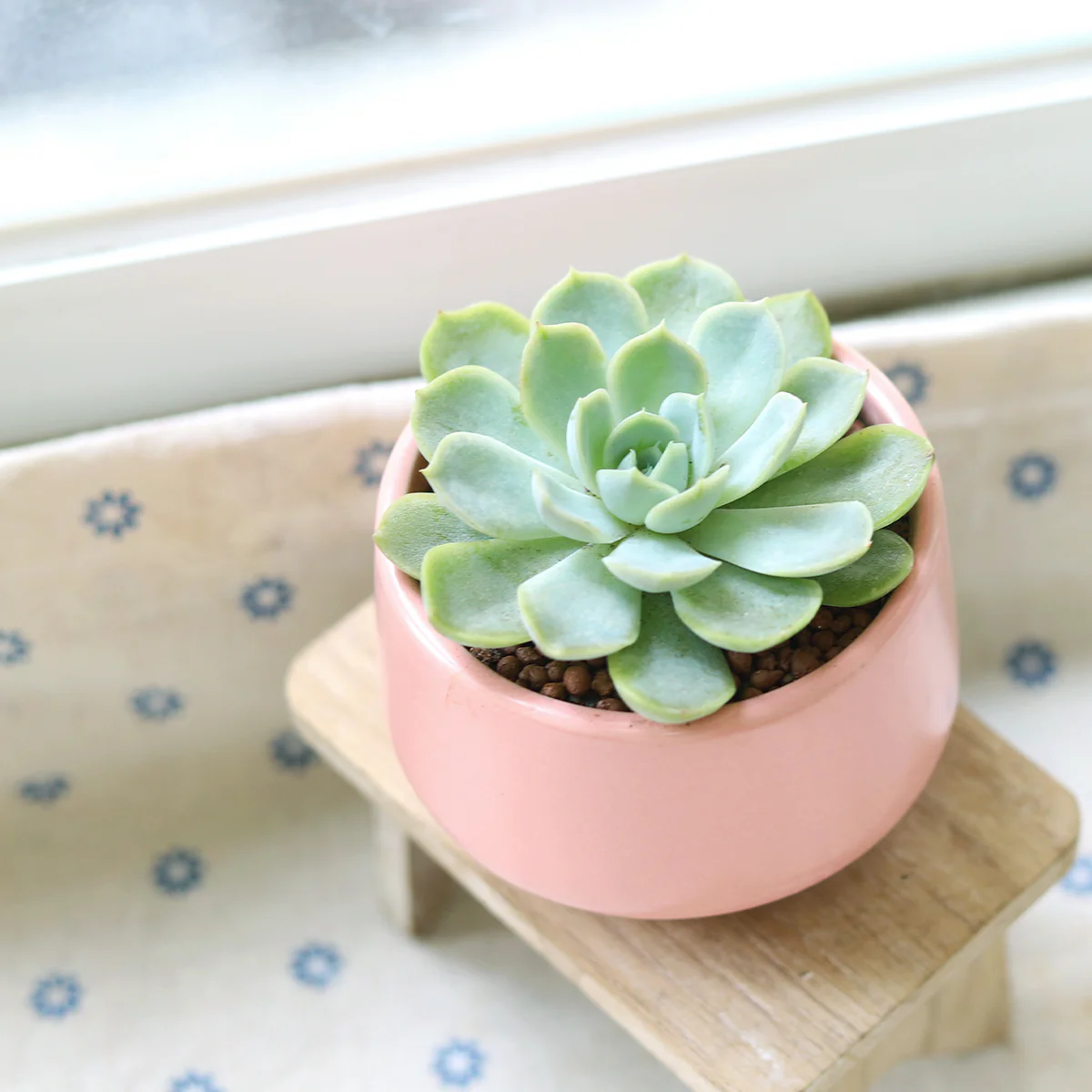
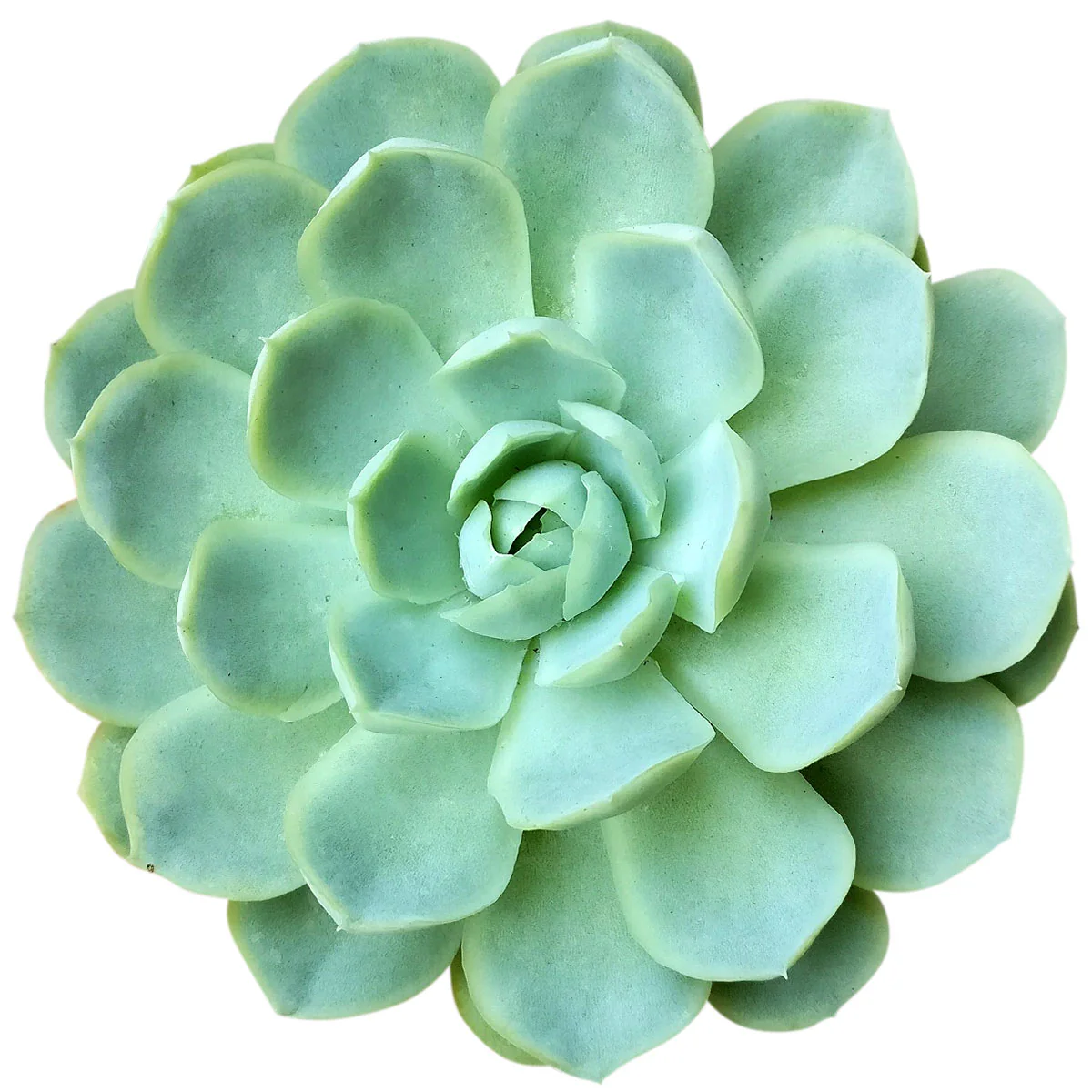
![]() Echeveria 'Blue Bird' is a beautifully symmetrical succulent with soft, powdery blue foliage and a neat rosette shape. A hybrid variety within the Crassulaceae family, it shares ancestry with Echeveria species native to Mexico, where many evolved under sunny, rocky conditions. 'Blue Bird' forms a single, tight rosette of thick leaves coated in a fine layer of farina, a natural wax that gives the plant its pale, pastel appearance. In bright light, the leaves often take on a silvery-blue tone, sometimes blushing pink at the edges during cooler seasons.
Echeveria 'Blue Bird' is a beautifully symmetrical succulent with soft, powdery blue foliage and a neat rosette shape. A hybrid variety within the Crassulaceae family, it shares ancestry with Echeveria species native to Mexico, where many evolved under sunny, rocky conditions. 'Blue Bird' forms a single, tight rosette of thick leaves coated in a fine layer of farina, a natural wax that gives the plant its pale, pastel appearance. In bright light, the leaves often take on a silvery-blue tone, sometimes blushing pink at the edges during cooler seasons.![]() The rosette of the Blue Bird can grow up to 6 to 10 inches wide, with leaves that are broad, pointed, and slightly upturned at the tips. Its uniform, open shape and subtle coloring give it a soft, elegant look compared to more rigid or heavily textured succulents. Mature plants may occasionally produce a tall flower stalk bearing small coral or salmon-pink blooms, although Blue Bird is mainly admired for the beauty of its foliage. The flower spikes add a delicate touch, rising gracefully above the main rosette without disrupting the plant's clean lines.
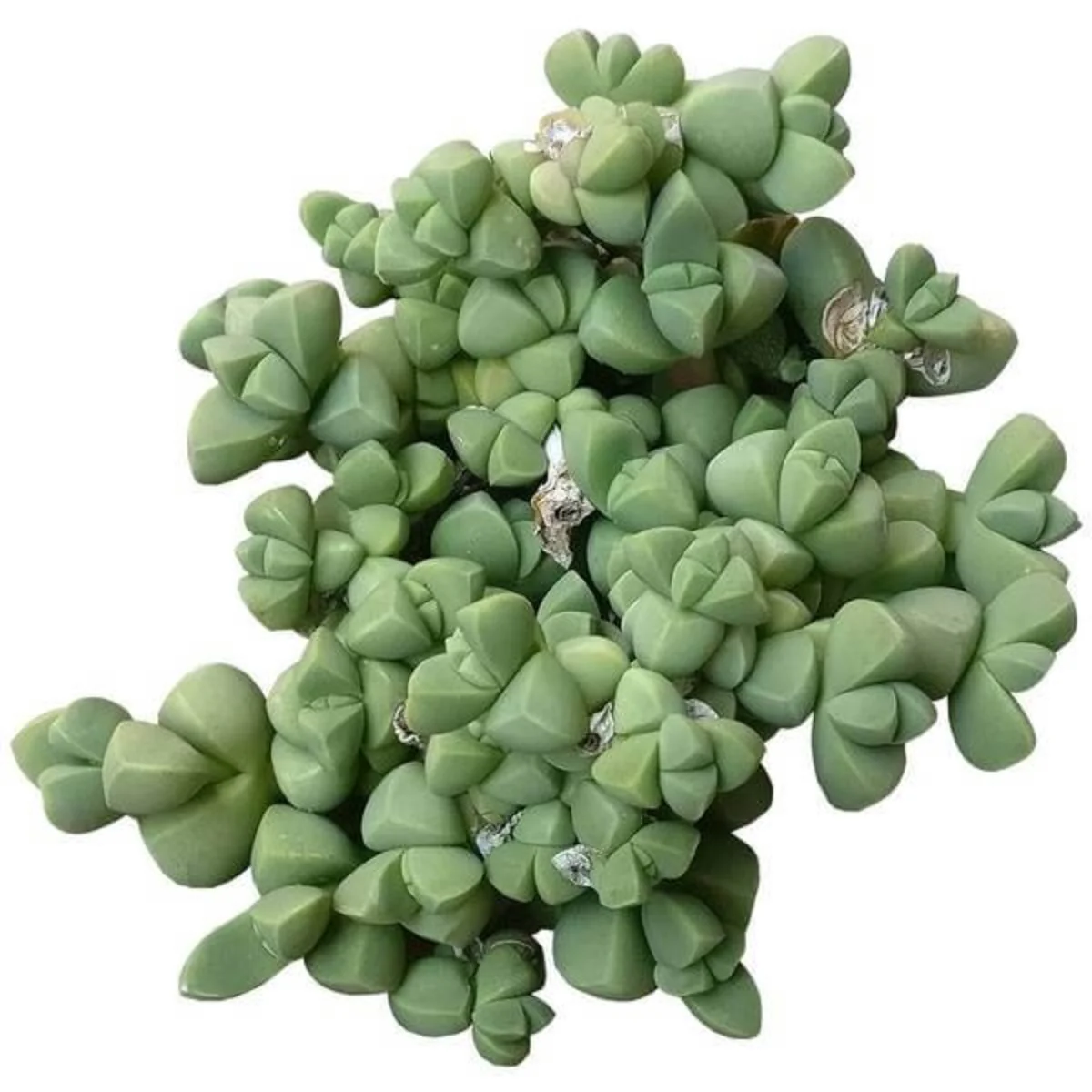
The rosette of the Blue Bird can grow up to 6 to 10 inches wide, with leaves that are broad, pointed, and slightly upturned at the tips. Its uniform, open shape and subtle coloring give it a soft, elegant look compared to more rigid or heavily textured succulents. Mature plants may occasionally produce a tall flower stalk bearing small coral or salmon-pink blooms, although Blue Bird is mainly admired for the beauty of its foliage. The flower spikes add a delicate touch, rising gracefully above the main rosette without disrupting the plant's clean lines.![]() Compared to similar varieties like Echeveria 'Blue Prince', Blue Bird has a softer, paler color and a more open, airy rosette structure. While Blue Prince tends to have darker, tighter rosettes, Blue Bird maintains a lighter and wider form, giving it a more ethereal presence in succulent displays. Both plants share a powdery coating, but Blue Bird appears more pastel and delicate overall.
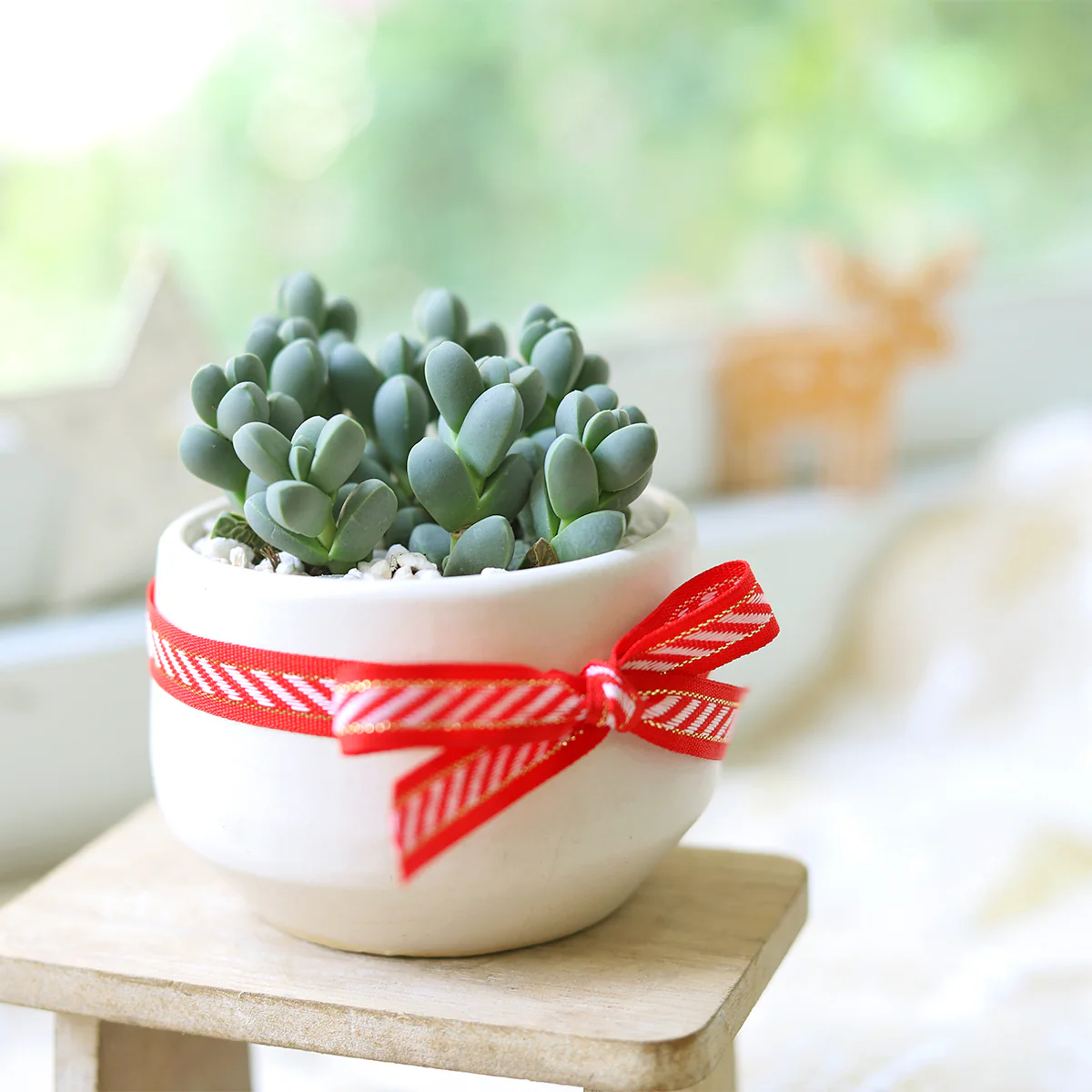
Compared to similar varieties like Echeveria 'Blue Prince', Blue Bird has a softer, paler color and a more open, airy rosette structure. While Blue Prince tends to have darker, tighter rosettes, Blue Bird maintains a lighter and wider form, giving it a more ethereal presence in succulent displays. Both plants share a powdery coating, but Blue Bird appears more pastel and delicate overall.![]() Because of its size, form, and delicate color, Echeveria 'Blue Bird' is often used as a centerpiece in succulent bowls or as a gentle contrast among darker or more textured plants. It thrives with good light and minimal watering, making it easy to care for in the right conditions. Like most Echeverias, it does best when left relatively undisturbed, allowing its rosette to develop fully without crowding from nearby plants.
Because of its size, form, and delicate color, Echeveria 'Blue Bird' is often used as a centerpiece in succulent bowls or as a gentle contrast among darker or more textured plants. It thrives with good light and minimal watering, making it easy to care for in the right conditions. Like most Echeverias, it does best when left relatively undisturbed, allowing its rosette to develop fully without crowding from nearby plants.
-
![]() Prefers bright, direct to very bright indirect light for best color and compact growth. Insufficient light can cause the rosette to stretch and lose its shape.
Prefers bright, direct to very bright indirect light for best color and compact growth. Insufficient light can cause the rosette to stretch and lose its shape.![]() Water thoroughly when the soil is completely dry, making sure to avoid watering directly into the rosette to prevent rot. Reduce watering significantly during the cooler months.
Water thoroughly when the soil is completely dry, making sure to avoid watering directly into the rosette to prevent rot. Reduce watering significantly during the cooler months.![]() Adapts best to low to moderate indoor humidity. High humidity can increase the risk of fungal issues, especially if air circulation is poor.
Adapts best to low to moderate indoor humidity. High humidity can increase the risk of fungal issues, especially if air circulation is poor.![]() Grows best between 65–80°F. Protect from frost, as freezing temperatures can damage or kill the plant.
Grows best between 65–80°F. Protect from frost, as freezing temperatures can damage or kill the plant.![]() Needs a fast-draining succulent or cactus mix with added perlite or coarse sand. Good drainage is essential to prevent root and crown rot.
Needs a fast-draining succulent or cactus mix with added perlite or coarse sand. Good drainage is essential to prevent root and crown rot.![]() Feed lightly once or twice during the growing season with a diluted, low-nitrogen fertilizer. Overfeeding can cause leggy growth and weaken the plant.
Feed lightly once or twice during the growing season with a diluted, low-nitrogen fertilizer. Overfeeding can cause leggy growth and weaken the plant.![]() Echeveria 'Blue Bird' is considered non-toxic to pets and humans. Still, it’s best to discourage pets from chewing on any plant.
Echeveria 'Blue Bird' is considered non-toxic to pets and humans. Still, it’s best to discourage pets from chewing on any plant.
-
Zone 9-11
![]()
 Echeveria 'Blue Bird' is a beautifully symmetrical succulent with soft, powdery blue foliage and a neat rosette shape. A hybrid variety within the Crassulaceae family, it shares ancestry with Echeveria species native to Mexico, where many evolved under sunny, rocky conditions. 'Blue Bird' forms a single, tight rosette of thick leaves coated in a fine layer of farina, a natural wax that gives the plant its pale, pastel appearance. In bright light, the leaves often take on a silvery-blue tone, sometimes blushing pink at the edges during cooler seasons.
 The rosette of the Blue Bird can grow up to 6 to 10 inches wide, with leaves that are broad, pointed, and slightly upturned at the tips. Its uniform, open shape and subtle coloring give it a soft, elegant look compared to more rigid or heavily textured succulents. Mature plants may occasionally produce a tall flower stalk bearing small coral or salmon-pink blooms, although Blue Bird is mainly admired for the beauty of its foliage. The flower spikes add a delicate touch, rising gracefully above the main rosette without disrupting the plant's clean lines.
 Because of its size, form, and delicate color, Echeveria 'Blue Bird' is often used as a centerpiece in succulent bowls or as a gentle contrast among darker or more textured plants. It thrives with good light and minimal watering, making it easy to care for in the right conditions. Like most Echeverias, it does best when left relatively undisturbed, allowing its rosette to develop fully without crowding from nearby plants.
 Adapts best to low to moderate indoor humidity. High humidity can increase the risk of fungal issues, especially if air circulation is poor.
 Needs a fast-draining succulent or cactus mix with added perlite or coarse sand. Good drainage is essential to prevent root and crown rot.
 Feed lightly once or twice during the growing season with a diluted, low-nitrogen fertilizer. Overfeeding can cause leggy growth and weaken the plant.
Select Size
Select Style
From $2.31
Original: $7.69
-70%Echeveria Blue Bird—
$7.69
$2.31Product Information
Product Information
Shipping & Returns
Shipping & Returns
Description
-
![]() Echeveria 'Blue Bird' is a beautifully symmetrical succulent with soft, powdery blue foliage and a neat rosette shape. A hybrid variety within the Crassulaceae family, it shares ancestry with Echeveria species native to Mexico, where many evolved under sunny, rocky conditions. 'Blue Bird' forms a single, tight rosette of thick leaves coated in a fine layer of farina, a natural wax that gives the plant its pale, pastel appearance. In bright light, the leaves often take on a silvery-blue tone, sometimes blushing pink at the edges during cooler seasons.
Echeveria 'Blue Bird' is a beautifully symmetrical succulent with soft, powdery blue foliage and a neat rosette shape. A hybrid variety within the Crassulaceae family, it shares ancestry with Echeveria species native to Mexico, where many evolved under sunny, rocky conditions. 'Blue Bird' forms a single, tight rosette of thick leaves coated in a fine layer of farina, a natural wax that gives the plant its pale, pastel appearance. In bright light, the leaves often take on a silvery-blue tone, sometimes blushing pink at the edges during cooler seasons.![]() The rosette of the Blue Bird can grow up to 6 to 10 inches wide, with leaves that are broad, pointed, and slightly upturned at the tips. Its uniform, open shape and subtle coloring give it a soft, elegant look compared to more rigid or heavily textured succulents. Mature plants may occasionally produce a tall flower stalk bearing small coral or salmon-pink blooms, although Blue Bird is mainly admired for the beauty of its foliage. The flower spikes add a delicate touch, rising gracefully above the main rosette without disrupting the plant's clean lines.
The rosette of the Blue Bird can grow up to 6 to 10 inches wide, with leaves that are broad, pointed, and slightly upturned at the tips. Its uniform, open shape and subtle coloring give it a soft, elegant look compared to more rigid or heavily textured succulents. Mature plants may occasionally produce a tall flower stalk bearing small coral or salmon-pink blooms, although Blue Bird is mainly admired for the beauty of its foliage. The flower spikes add a delicate touch, rising gracefully above the main rosette without disrupting the plant's clean lines.![]() Compared to similar varieties like Echeveria 'Blue Prince', Blue Bird has a softer, paler color and a more open, airy rosette structure. While Blue Prince tends to have darker, tighter rosettes, Blue Bird maintains a lighter and wider form, giving it a more ethereal presence in succulent displays. Both plants share a powdery coating, but Blue Bird appears more pastel and delicate overall.
Compared to similar varieties like Echeveria 'Blue Prince', Blue Bird has a softer, paler color and a more open, airy rosette structure. While Blue Prince tends to have darker, tighter rosettes, Blue Bird maintains a lighter and wider form, giving it a more ethereal presence in succulent displays. Both plants share a powdery coating, but Blue Bird appears more pastel and delicate overall.![]() Because of its size, form, and delicate color, Echeveria 'Blue Bird' is often used as a centerpiece in succulent bowls or as a gentle contrast among darker or more textured plants. It thrives with good light and minimal watering, making it easy to care for in the right conditions. Like most Echeverias, it does best when left relatively undisturbed, allowing its rosette to develop fully without crowding from nearby plants.
Because of its size, form, and delicate color, Echeveria 'Blue Bird' is often used as a centerpiece in succulent bowls or as a gentle contrast among darker or more textured plants. It thrives with good light and minimal watering, making it easy to care for in the right conditions. Like most Echeverias, it does best when left relatively undisturbed, allowing its rosette to develop fully without crowding from nearby plants.
-
![]() Prefers bright, direct to very bright indirect light for best color and compact growth. Insufficient light can cause the rosette to stretch and lose its shape.
Prefers bright, direct to very bright indirect light for best color and compact growth. Insufficient light can cause the rosette to stretch and lose its shape.![]() Water thoroughly when the soil is completely dry, making sure to avoid watering directly into the rosette to prevent rot. Reduce watering significantly during the cooler months.
Water thoroughly when the soil is completely dry, making sure to avoid watering directly into the rosette to prevent rot. Reduce watering significantly during the cooler months.![]() Adapts best to low to moderate indoor humidity. High humidity can increase the risk of fungal issues, especially if air circulation is poor.
Adapts best to low to moderate indoor humidity. High humidity can increase the risk of fungal issues, especially if air circulation is poor.![]() Grows best between 65–80°F. Protect from frost, as freezing temperatures can damage or kill the plant.
Grows best between 65–80°F. Protect from frost, as freezing temperatures can damage or kill the plant.![]() Needs a fast-draining succulent or cactus mix with added perlite or coarse sand. Good drainage is essential to prevent root and crown rot.
Needs a fast-draining succulent or cactus mix with added perlite or coarse sand. Good drainage is essential to prevent root and crown rot.![]() Feed lightly once or twice during the growing season with a diluted, low-nitrogen fertilizer. Overfeeding can cause leggy growth and weaken the plant.
Feed lightly once or twice during the growing season with a diluted, low-nitrogen fertilizer. Overfeeding can cause leggy growth and weaken the plant.![]() Echeveria 'Blue Bird' is considered non-toxic to pets and humans. Still, it’s best to discourage pets from chewing on any plant.
Echeveria 'Blue Bird' is considered non-toxic to pets and humans. Still, it’s best to discourage pets from chewing on any plant.
-
Zone 9-11
![]()