🚚 Free Worldwide Shipping on All Orders!Shop Now

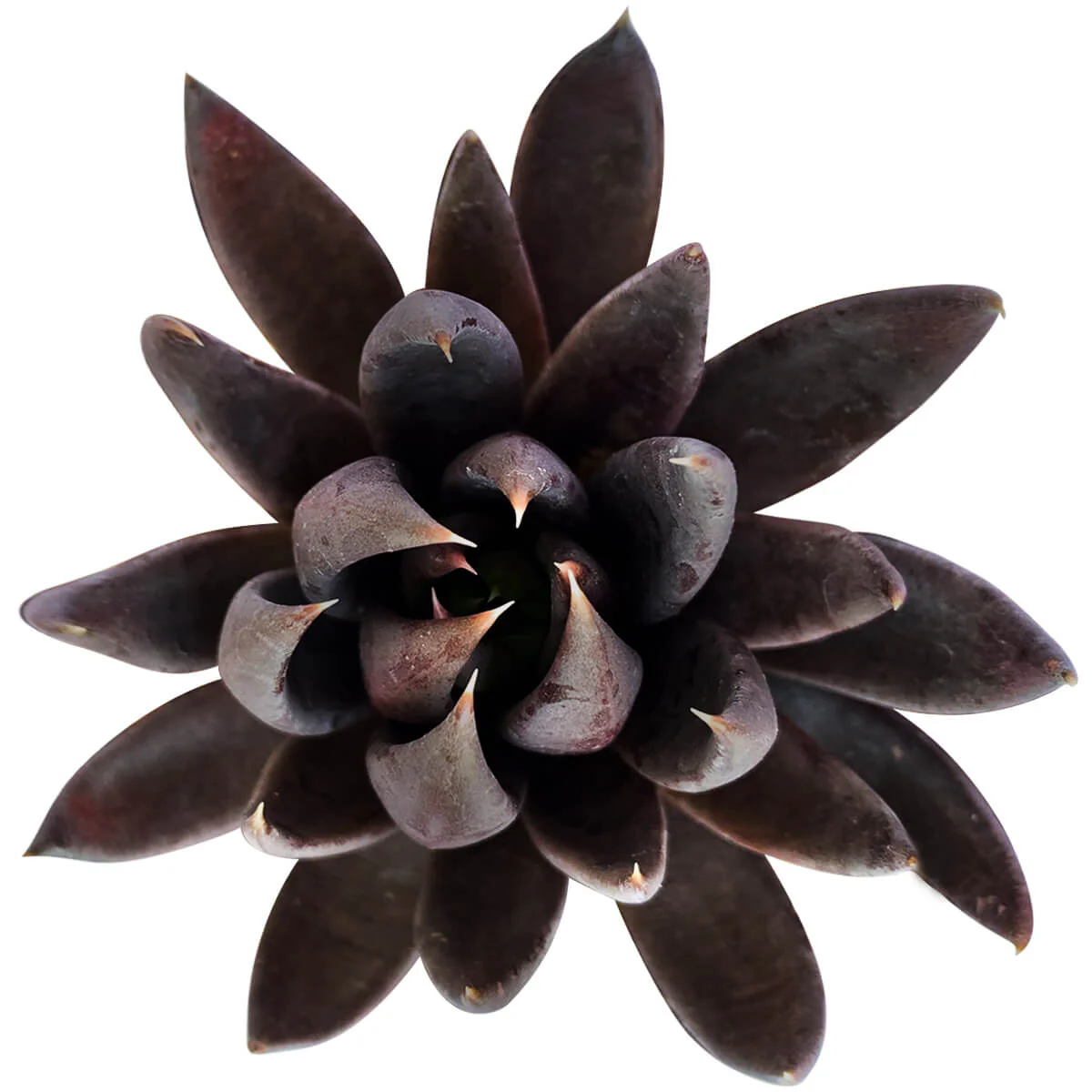
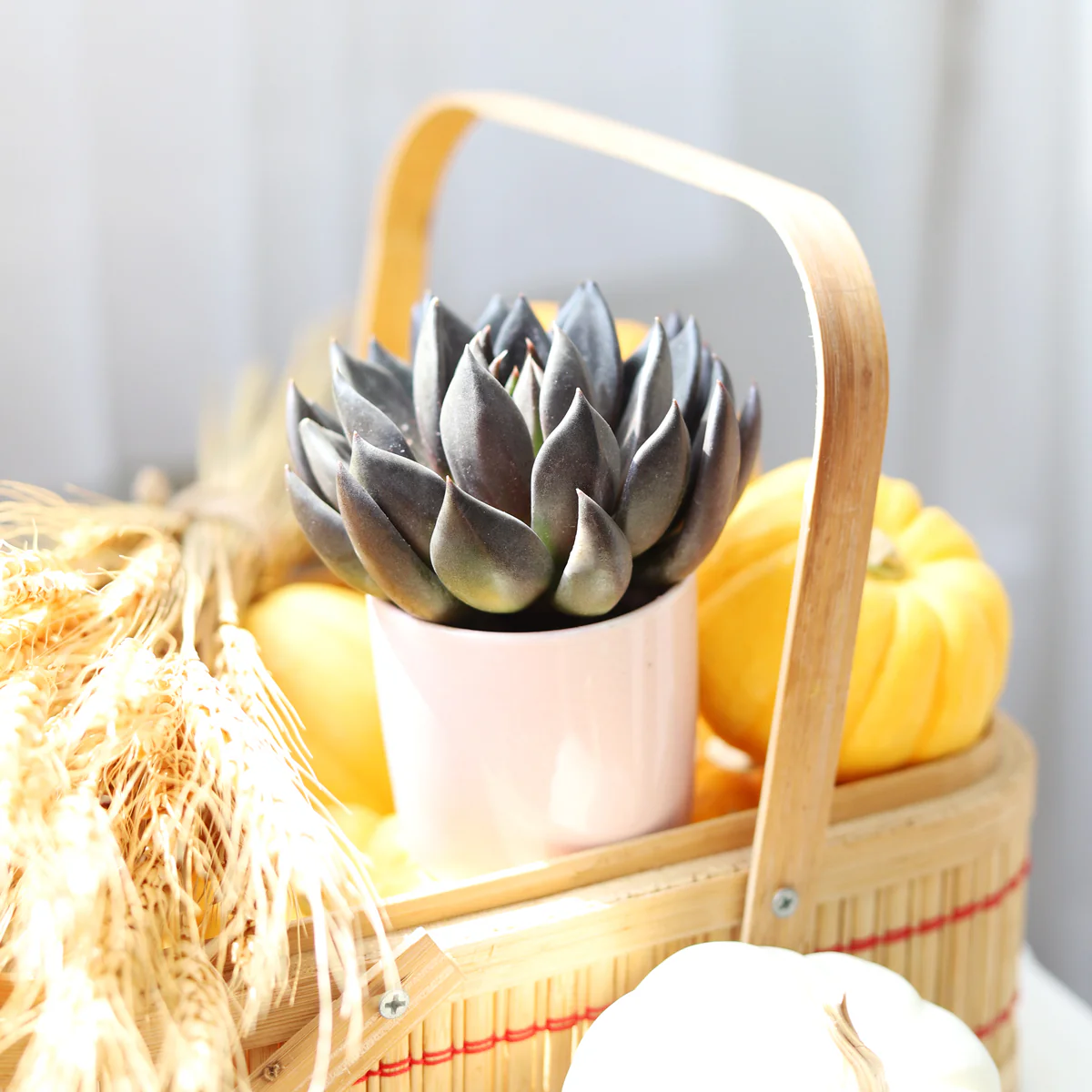


Echeveria affinis Black Knight
-
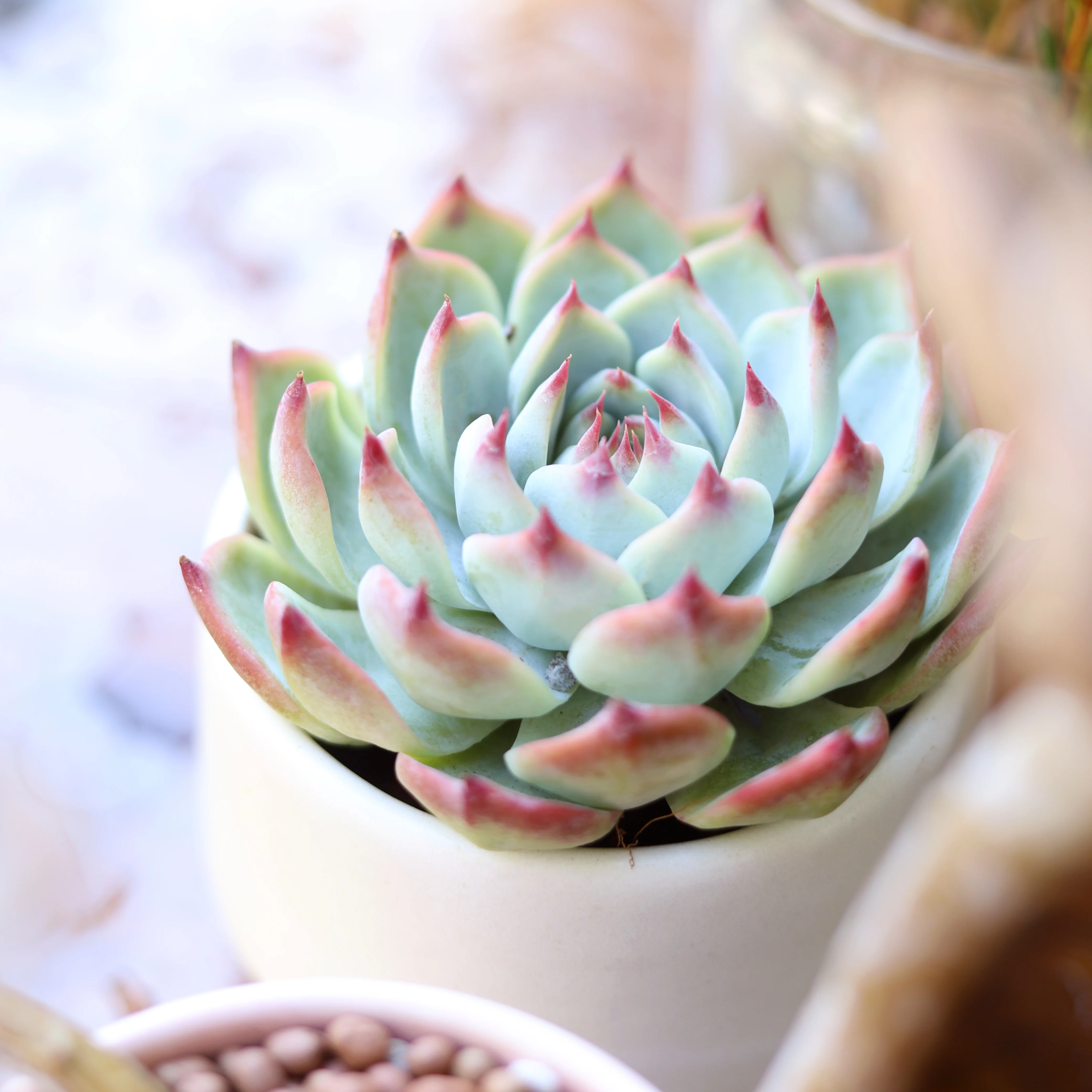
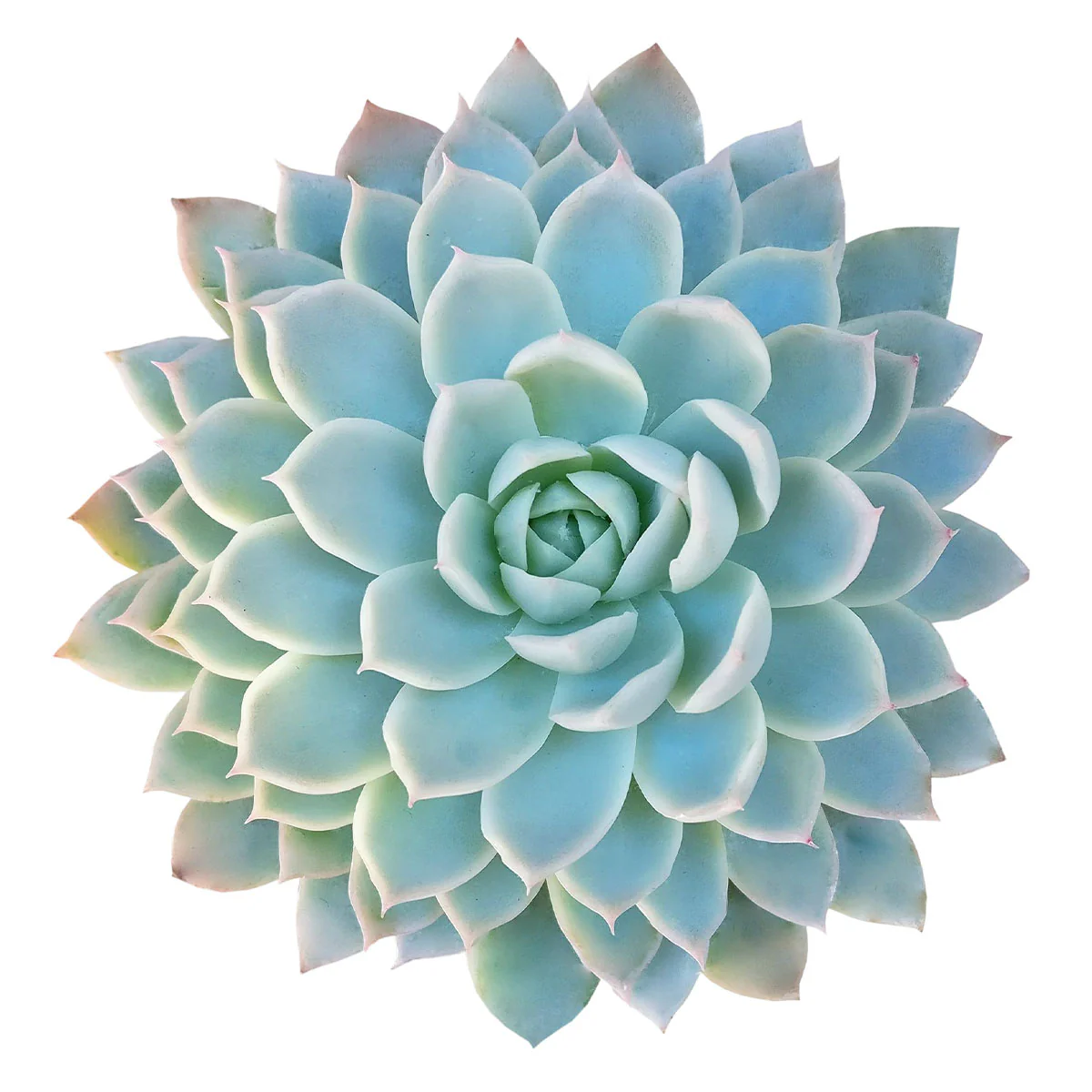
![]() Echeveria Black Knight is an interesting succulent with dark-colored pointy narrow leaves. It's one of the darkest Echeverias, together with Echeveria Black Prince. Stunning pink tips that will add a touch of color to your home or office. It is an easy-care succulent that is perfect for beginners.
Echeveria Black Knight is an interesting succulent with dark-colored pointy narrow leaves. It's one of the darkest Echeverias, together with Echeveria Black Prince. Stunning pink tips that will add a touch of color to your home or office. It is an easy-care succulent that is perfect for beginners.![]() In summer, it produces dark red flowers, which add an extra sense of drama to this stunning species.
In summer, it produces dark red flowers, which add an extra sense of drama to this stunning species.![]() Plants may be shipped bare root.
Plants may be shipped bare root.
See about my blog: How to care for Echeveria Black Knight -
![]() Full Sun.
Full Sun.![]() Poor Soil Quality, Average Soil Quality.
Poor Soil Quality, Average Soil Quality.![]() Red shades.
Red shades.![]() Late Summer, Early Fall.
Late Summer, Early Fall.![]() Avoid letting water sit for too long in the rosette to prevent rot and fungal diseases.
Avoid letting water sit for too long in the rosette to prevent rot and fungal diseases.![]() Dead leaves should be removed from the plant as soon as possible to ward off pests.
Dead leaves should be removed from the plant as soon as possible to ward off pests. -
USDA Zone 9b: to -3.8 °C (25 °F) .
![]()
USDA Zone 10a: to -1.1 °C (30 °F) .
USDA Zone 10b: to 1.7 °C (35 °F) .
USDA Zone 11: above 4.5 °C (40 °F).
 Echeveria Black Knight is an interesting succulent with dark-colored pointy narrow leaves. It's one of the darkest Echeverias, together with Echeveria Black Prince. Stunning pink tips that will add a touch of color to your home or office. It
 Plants may be shipped bare root.
 Full Sun.
 Poor Soil Quality, Average Soil Quality.
 Avoid letting water sit for too long in the rosette to prevent rot and fungal diseases.
 Dead leaves should be removed from the plant as soon as possible to ward off pests.
Select Size
Select Style
From $2.31
Original: $7.69
-70%Echeveria affinis Black Knight—
$7.69
$2.31Product Information
Product Information
Shipping & Returns
Shipping & Returns
Description
-
![]() Echeveria Black Knight is an interesting succulent with dark-colored pointy narrow leaves. It's one of the darkest Echeverias, together with Echeveria Black Prince. Stunning pink tips that will add a touch of color to your home or office. It is an easy-care succulent that is perfect for beginners.
Echeveria Black Knight is an interesting succulent with dark-colored pointy narrow leaves. It's one of the darkest Echeverias, together with Echeveria Black Prince. Stunning pink tips that will add a touch of color to your home or office. It is an easy-care succulent that is perfect for beginners.![]() In summer, it produces dark red flowers, which add an extra sense of drama to this stunning species.
In summer, it produces dark red flowers, which add an extra sense of drama to this stunning species.![]() Plants may be shipped bare root.
Plants may be shipped bare root.
See about my blog: How to care for Echeveria Black Knight -
![]() Full Sun.
Full Sun.![]() Poor Soil Quality, Average Soil Quality.
Poor Soil Quality, Average Soil Quality.![]() Red shades.
Red shades.![]() Late Summer, Early Fall.
Late Summer, Early Fall.![]() Avoid letting water sit for too long in the rosette to prevent rot and fungal diseases.
Avoid letting water sit for too long in the rosette to prevent rot and fungal diseases.![]() Dead leaves should be removed from the plant as soon as possible to ward off pests.
Dead leaves should be removed from the plant as soon as possible to ward off pests. -
USDA Zone 9b: to -3.8 °C (25 °F) .
![]()
USDA Zone 10a: to -1.1 °C (30 °F) .
USDA Zone 10b: to 1.7 °C (35 °F) .
USDA Zone 11: above 4.5 °C (40 °F).