🚚 Free Worldwide Shipping on All Orders!Shop Now



Crassula rupestris Rosary Vine
-
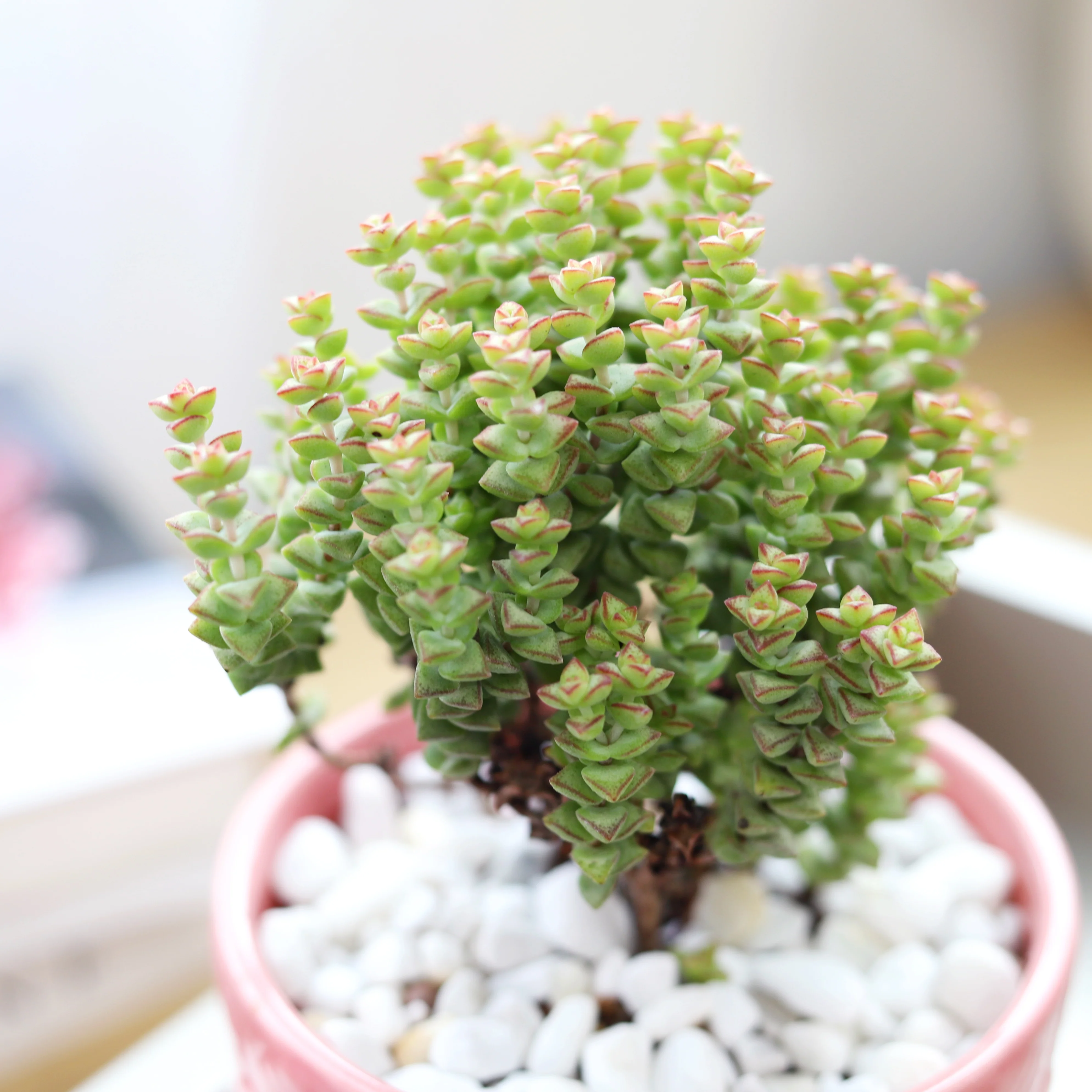
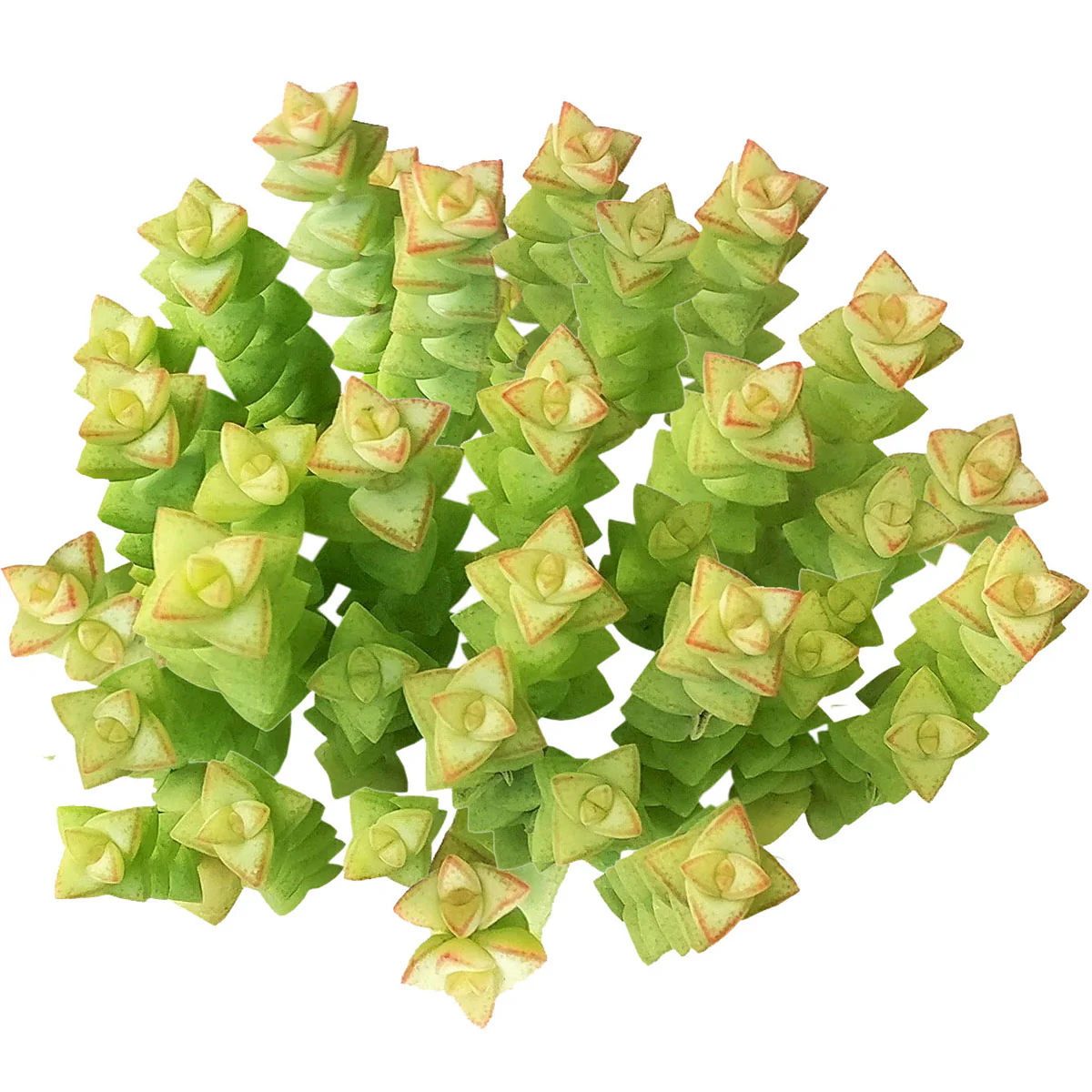
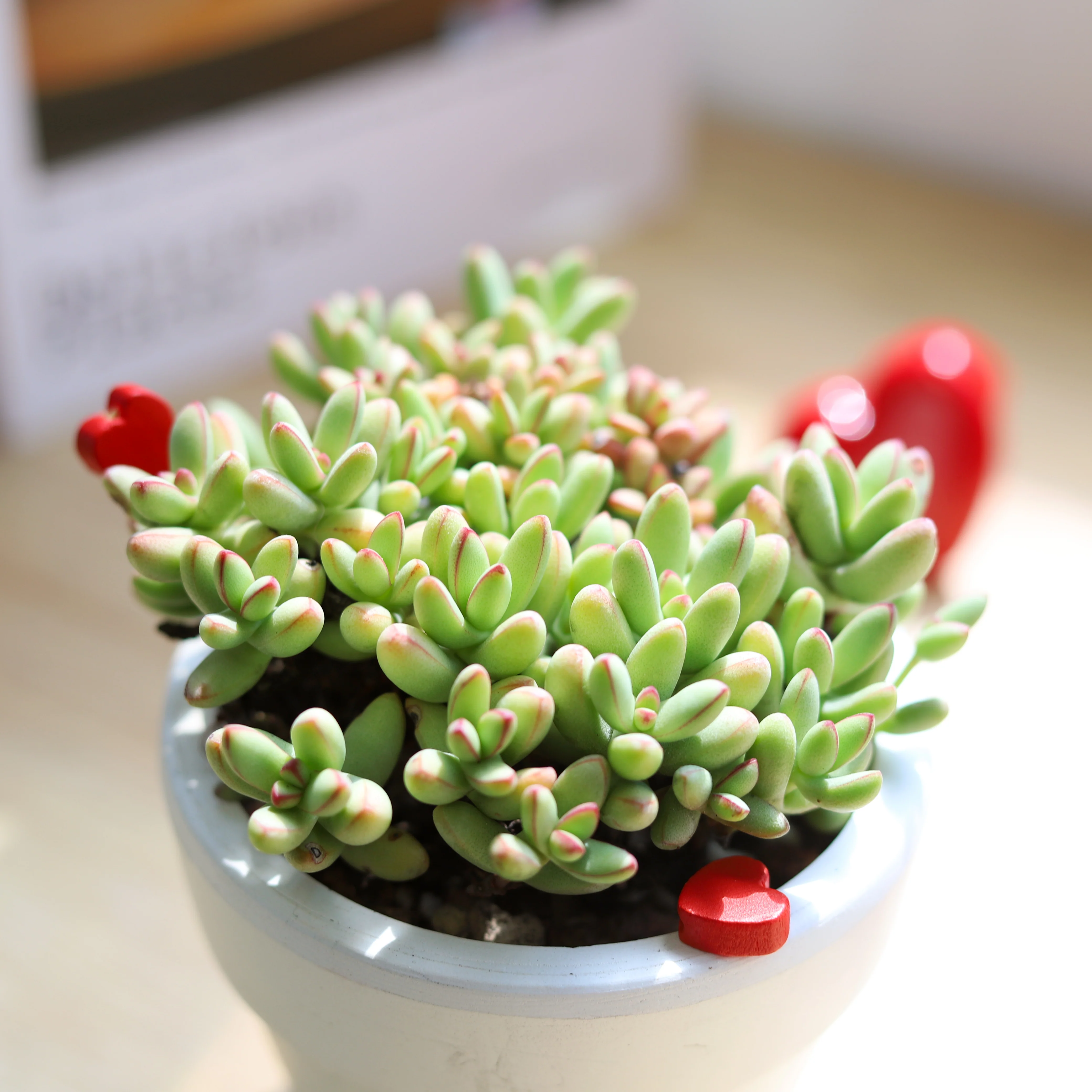
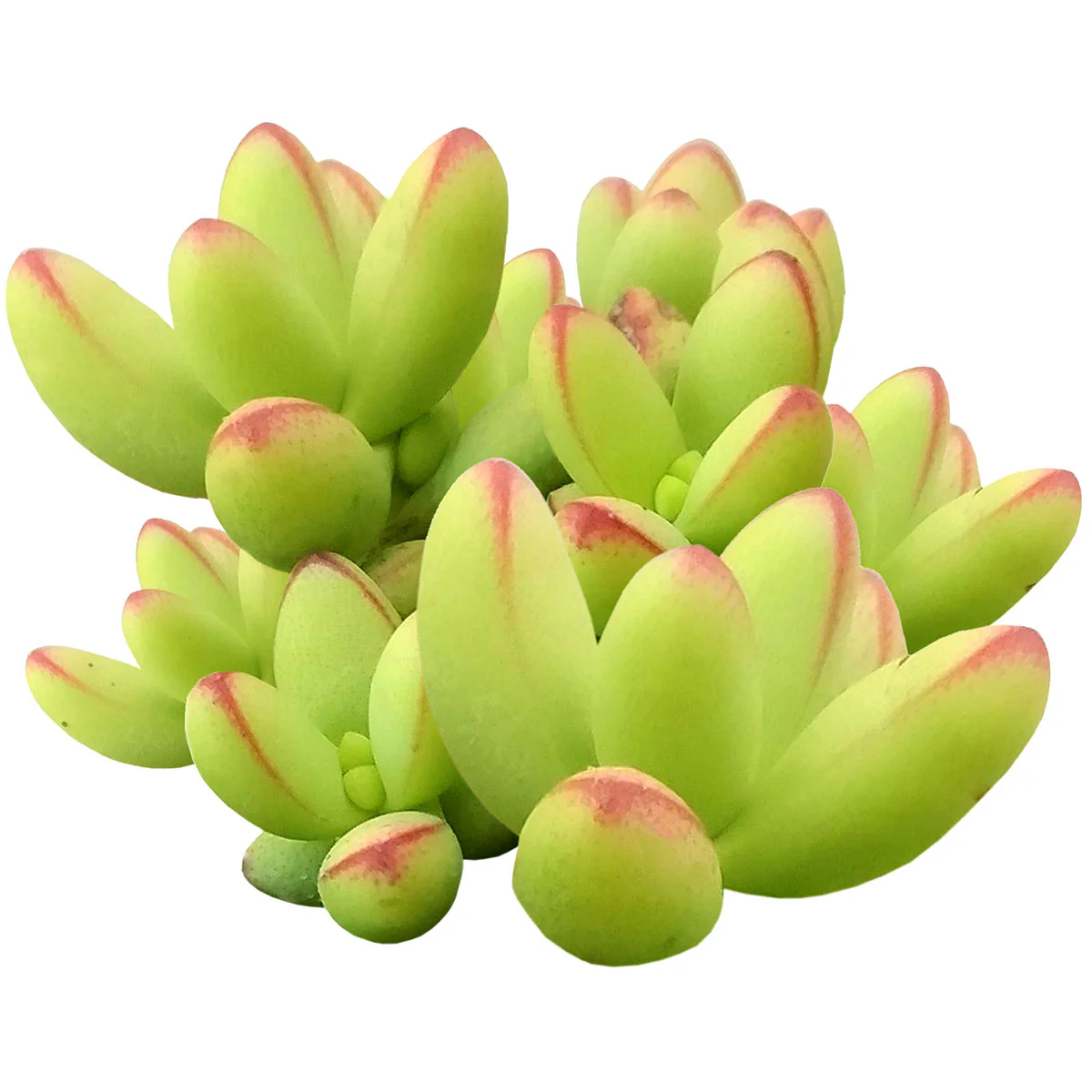
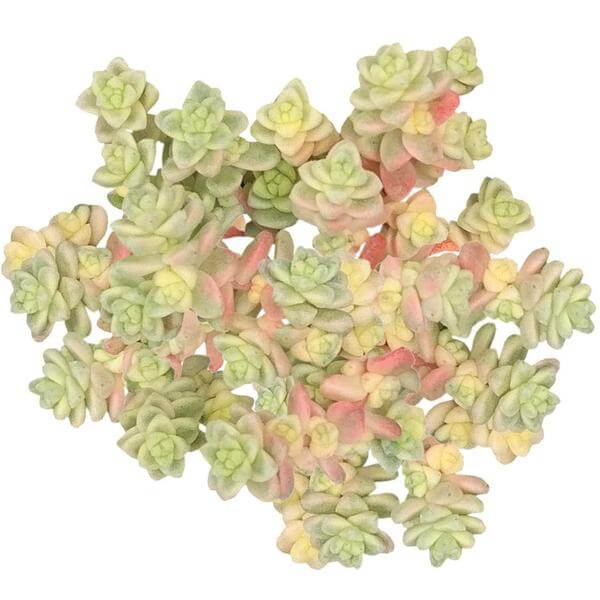
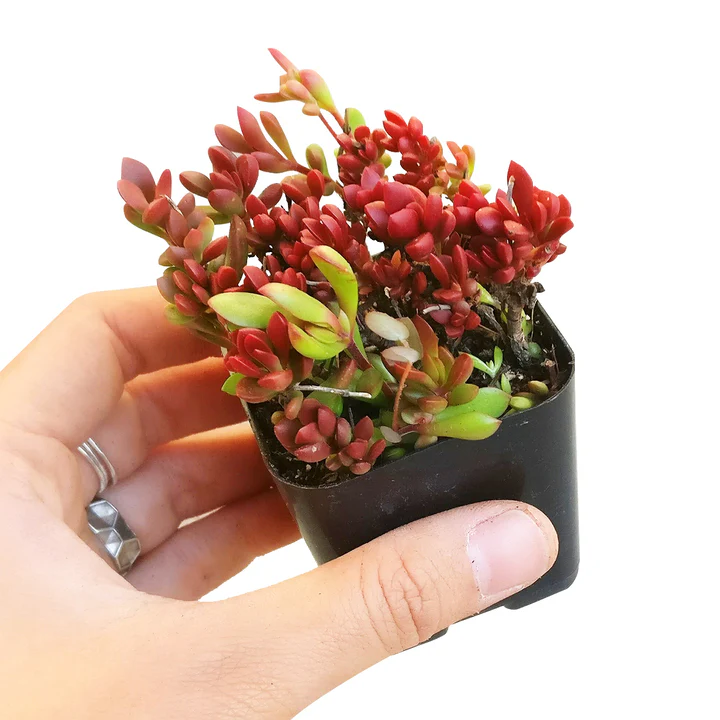
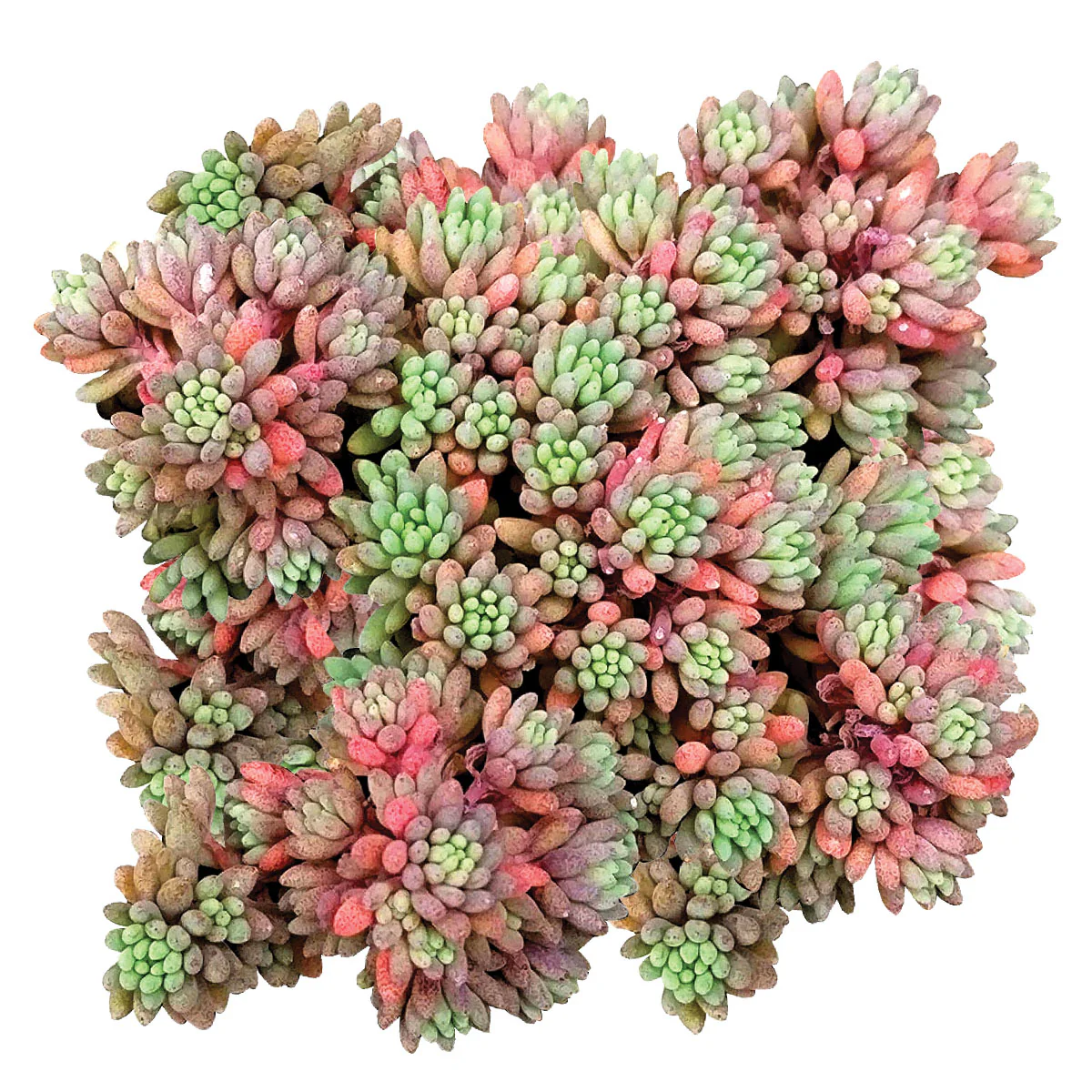
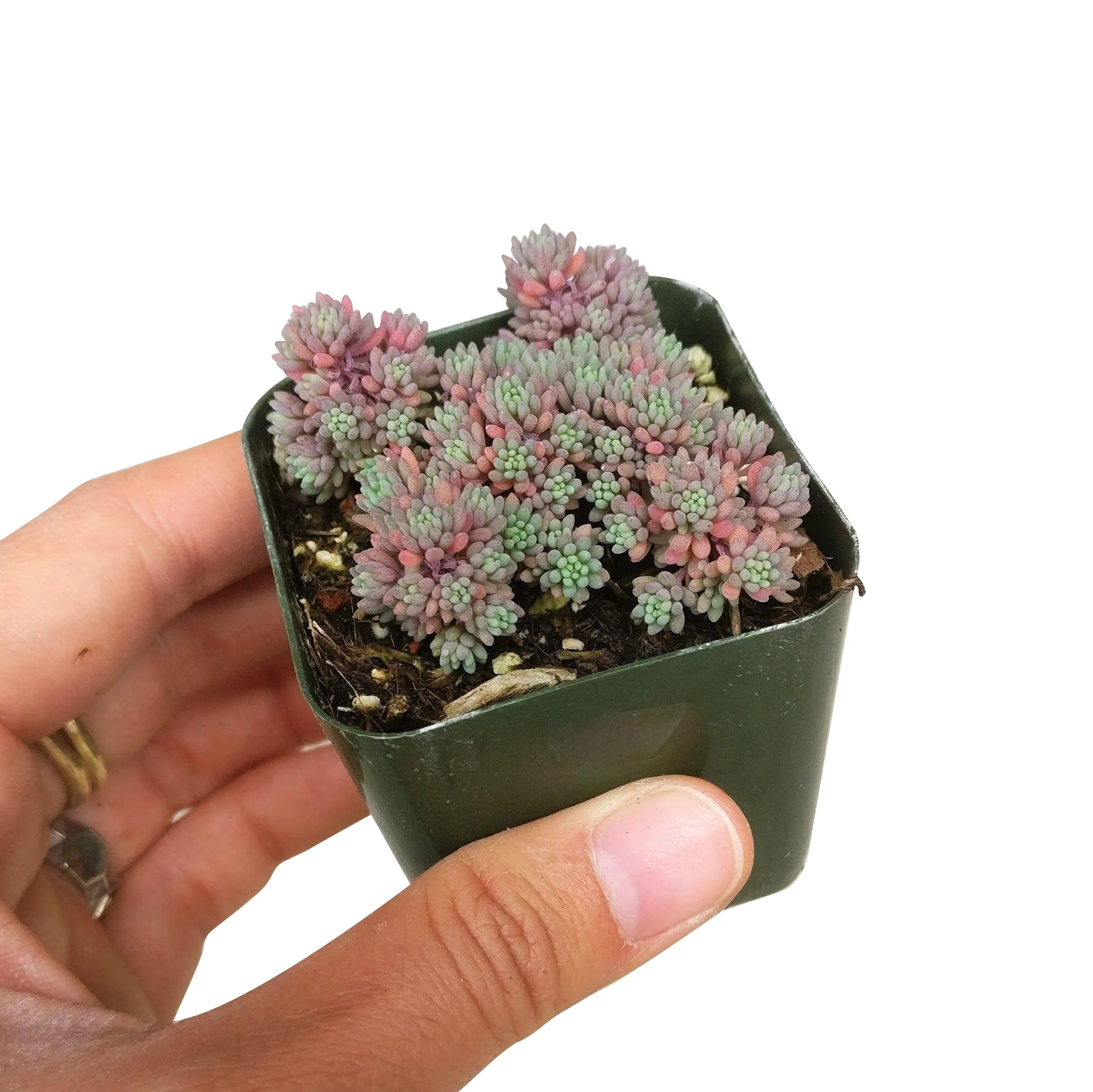
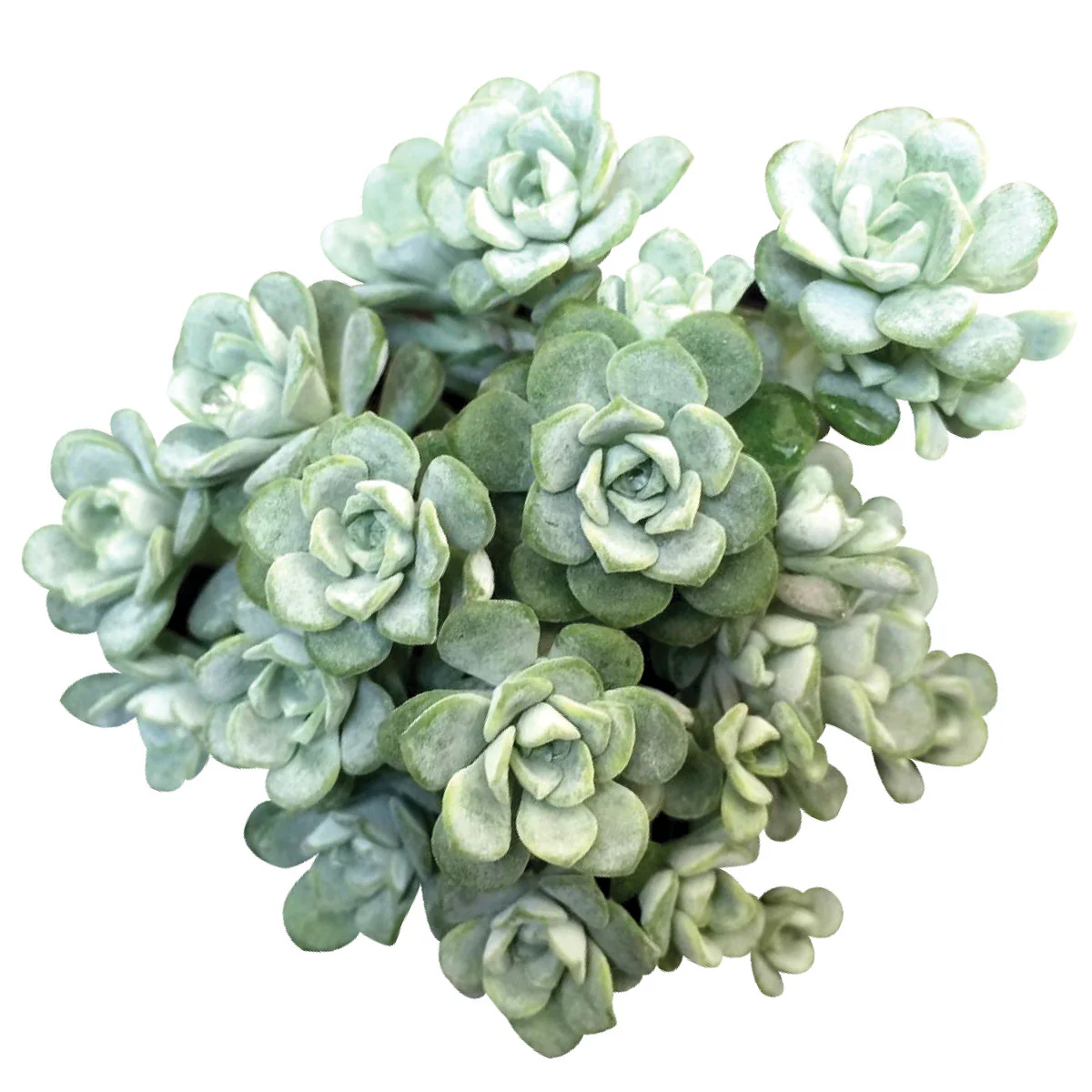
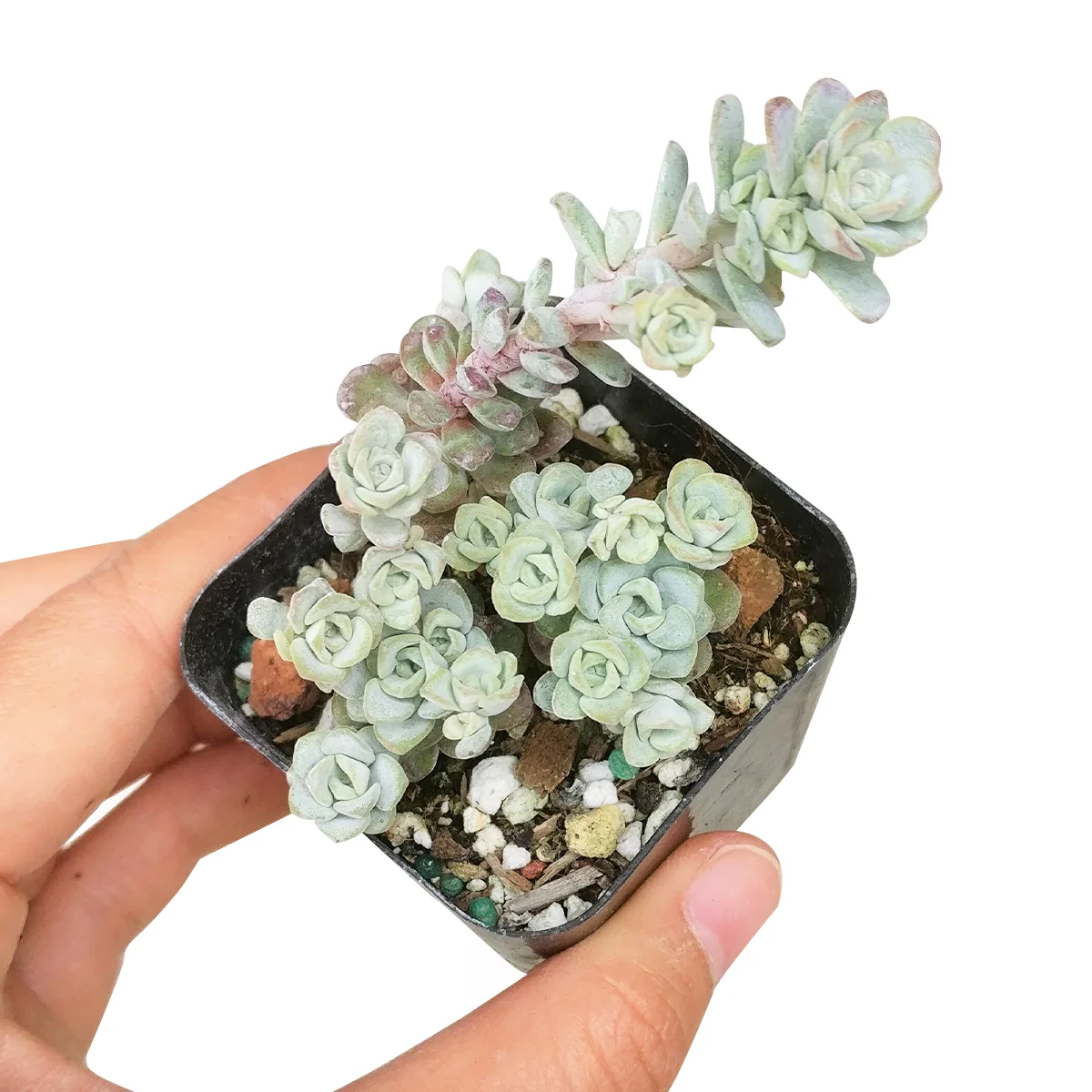
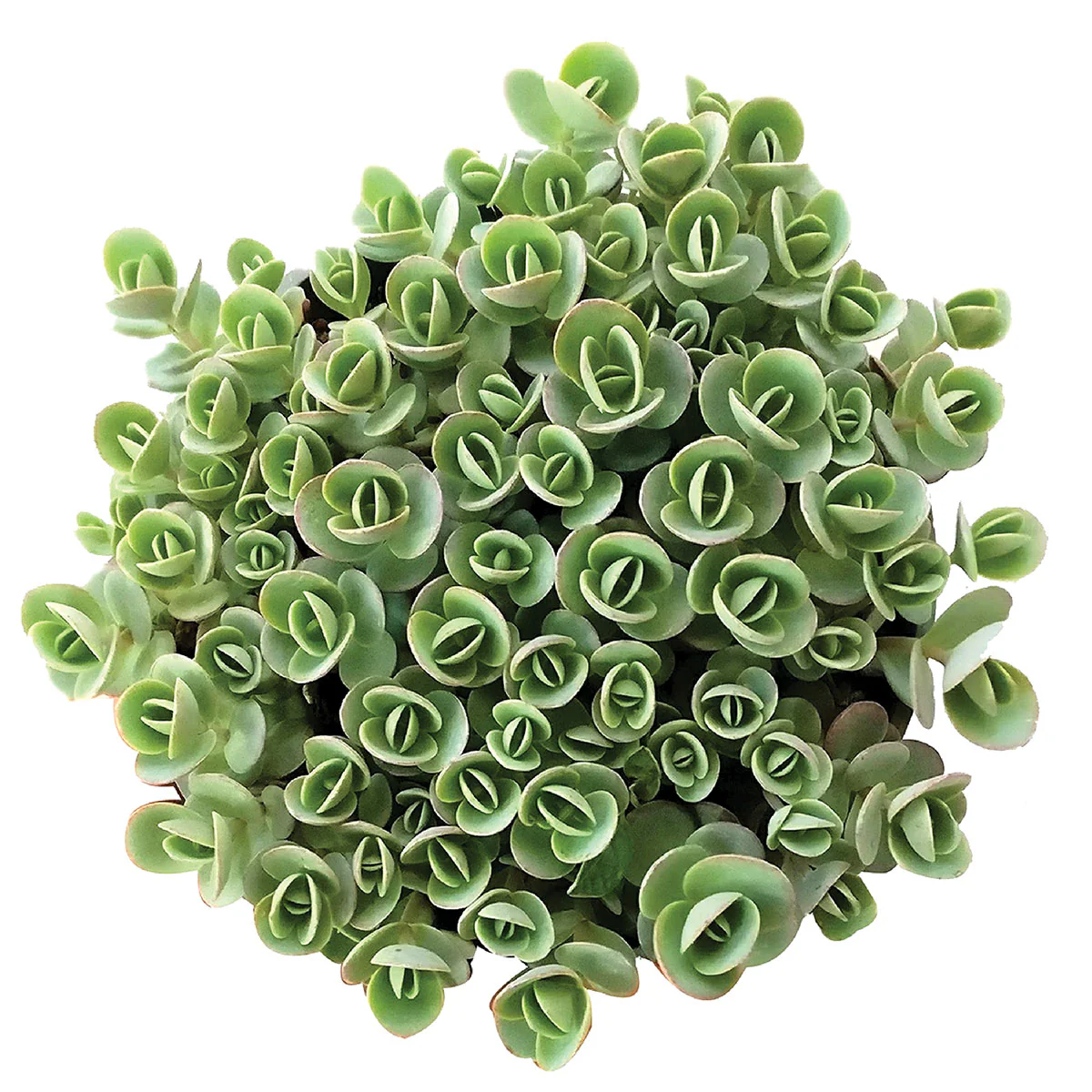
![]() Crassula rupestris, commonly known as the Rosary Vine or Kebab Bush, is a slow-growing, multi-branched succulent. It is famous for its "stacked" appearance; the thick, triangular leaves grow in opposite pairs and are fused at the base, making it look as though the stem has been threaded through the leaves like beads on a rosary or pieces of meat on a kebab.
Crassula rupestris, commonly known as the Rosary Vine or Kebab Bush, is a slow-growing, multi-branched succulent. It is famous for its "stacked" appearance; the thick, triangular leaves grow in opposite pairs and are fused at the base, making it look as though the stem has been threaded through the leaves like beads on a rosary or pieces of meat on a kebab.![]() Native to the dry, rocky hillsides of South Africa, this plant is built for survival. Its name rupestris literally means "living among rocks," which explains its rugged nature and preference for gritty, well-draining environments.
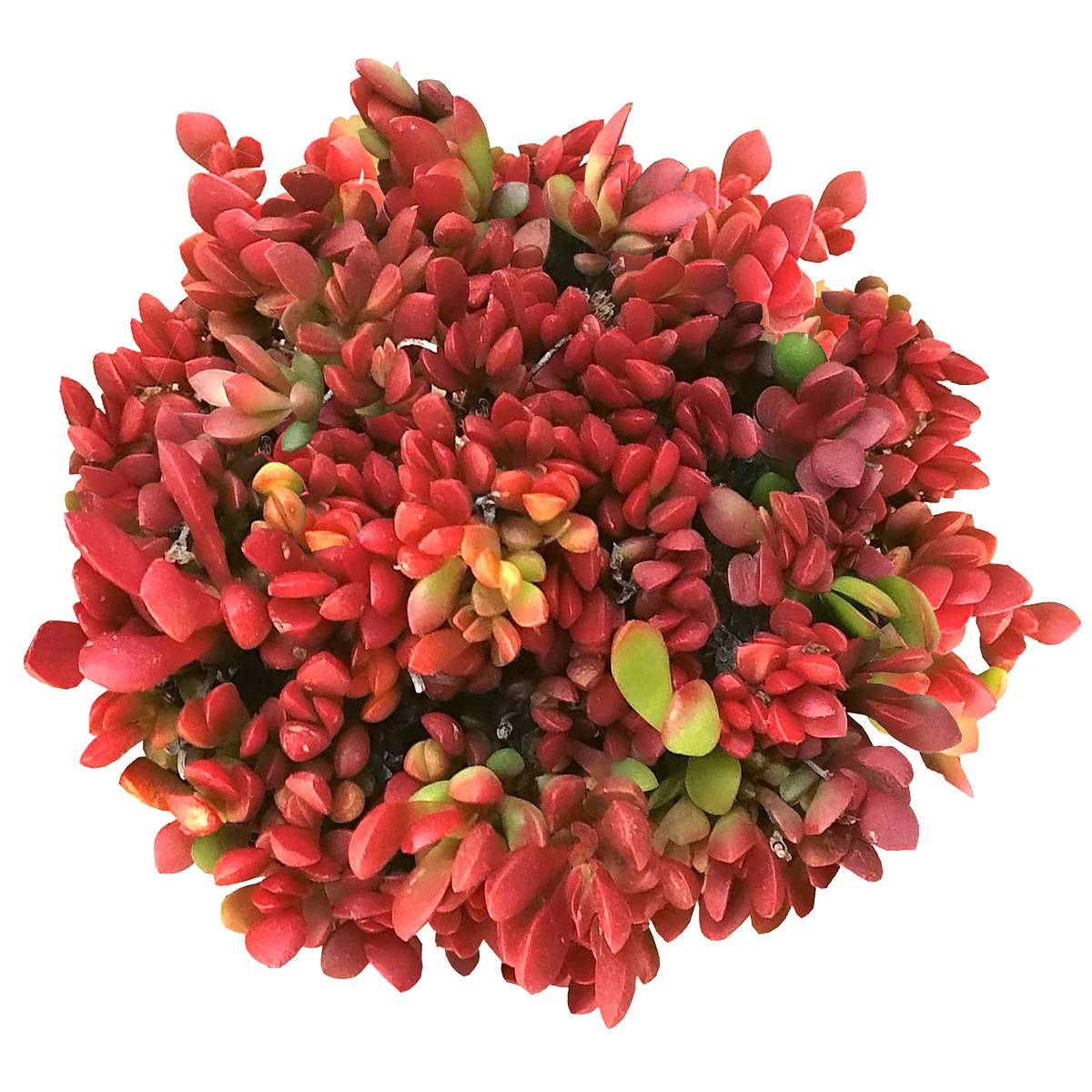
Native to the dry, rocky hillsides of South Africa, this plant is built for survival. Its name rupestris literally means "living among rocks," which explains its rugged nature and preference for gritty, well-draining environments.![]() The Rosary Vine is a master of color and geometry. In high light, the edges of the blue-grey leaves "stress" into a vivid fuchsia or red. Its unique vertical growth habit makes it look like a miniature coral reef, providing a distinct structural element that most "rosette-style" succulents lack.
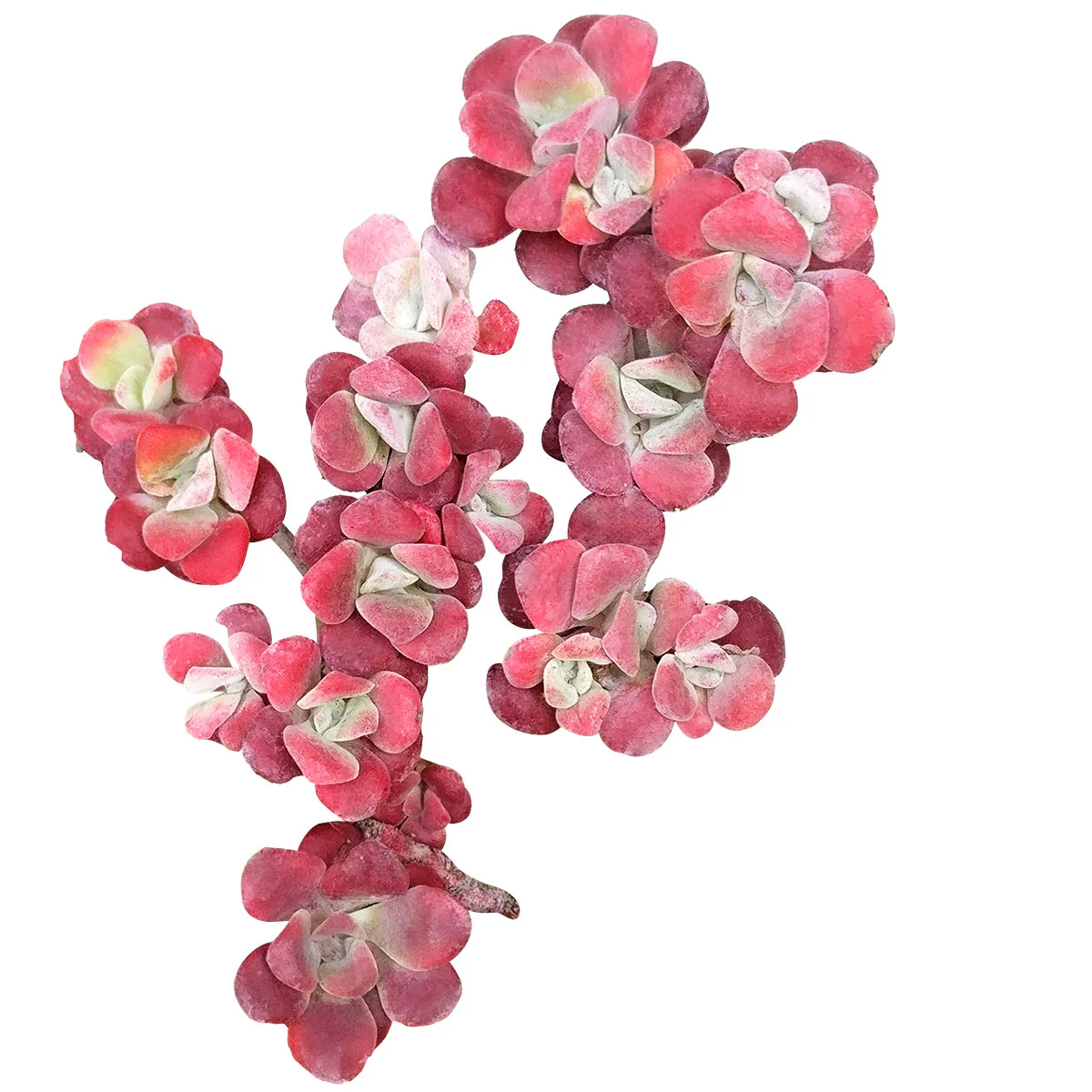
The Rosary Vine is a master of color and geometry. In high light, the edges of the blue-grey leaves "stress" into a vivid fuchsia or red. Its unique vertical growth habit makes it look like a miniature coral reef, providing a distinct structural element that most "rosette-style" succulents lack.
-
![]() Full sun to bright indirect light. Bright light is essential to maintain its compact shape and the vibrant red-pink margins on the leaves.
Full sun to bright indirect light. Bright light is essential to maintain its compact shape and the vibrant red-pink margins on the leaves.![]() Extra gritty mix. Use a cactus soil amended with 50% pumice, coarse sand, or fine gravel to mimic its rocky native habitat.
Extra gritty mix. Use a cactus soil amended with 50% pumice, coarse sand, or fine gravel to mimic its rocky native habitat.![]() Low (Typical Succulent Care). Allow the soil to dry out 100% between waterings. Avoid getting water trapped between the stacked leaves.
Low (Typical Succulent Care). Allow the soil to dry out 100% between waterings. Avoid getting water trapped between the stacked leaves. -
9 – 11. Best kept as a houseplant in colder regions.
![]()
 Crassula rupestris
 The Rosary Vine is a master of color and geometry. In high light, the edges of the blue-grey leaves "stress" into a vivid fuchsia or red. Its unique vertical growth habit makes it look like a miniature coral reef, providing a distinct structural element that most "rosette-style" succulents lack.
 Full sun to bright indirect light. Bright light is essential to maintain its compact shape and the vibrant red-pink margins on the leaves.
 Extra gritty mix. Use a cactus soil amended with 50% pumice, coarse sand, or fine gravel to mimic its rocky native habitat.
 Low (Typical Succulent Care). Allow the soil to dry out 100% between waterings. Avoid getting water trapped between the stacked leaves.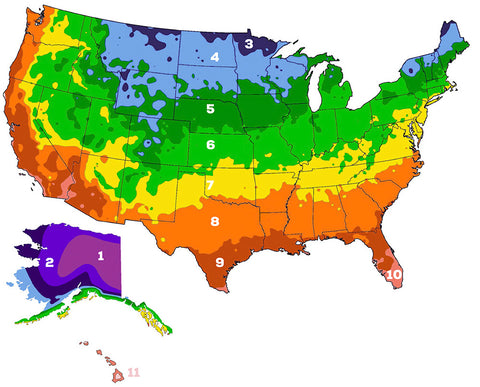
Select Size
Select Style
From $7.30
Crassula rupestris Rosary Vine—
$7.30
Product Information
Product Information
Shipping & Returns
Shipping & Returns
Description
-
![]() Crassula rupestris, commonly known as the Rosary Vine or Kebab Bush, is a slow-growing, multi-branched succulent. It is famous for its "stacked" appearance; the thick, triangular leaves grow in opposite pairs and are fused at the base, making it look as though the stem has been threaded through the leaves like beads on a rosary or pieces of meat on a kebab.
Crassula rupestris, commonly known as the Rosary Vine or Kebab Bush, is a slow-growing, multi-branched succulent. It is famous for its "stacked" appearance; the thick, triangular leaves grow in opposite pairs and are fused at the base, making it look as though the stem has been threaded through the leaves like beads on a rosary or pieces of meat on a kebab.![]() Native to the dry, rocky hillsides of South Africa, this plant is built for survival. Its name rupestris literally means "living among rocks," which explains its rugged nature and preference for gritty, well-draining environments.
Native to the dry, rocky hillsides of South Africa, this plant is built for survival. Its name rupestris literally means "living among rocks," which explains its rugged nature and preference for gritty, well-draining environments.![]() The Rosary Vine is a master of color and geometry. In high light, the edges of the blue-grey leaves "stress" into a vivid fuchsia or red. Its unique vertical growth habit makes it look like a miniature coral reef, providing a distinct structural element that most "rosette-style" succulents lack.
The Rosary Vine is a master of color and geometry. In high light, the edges of the blue-grey leaves "stress" into a vivid fuchsia or red. Its unique vertical growth habit makes it look like a miniature coral reef, providing a distinct structural element that most "rosette-style" succulents lack.
-
![]() Full sun to bright indirect light. Bright light is essential to maintain its compact shape and the vibrant red-pink margins on the leaves.
Full sun to bright indirect light. Bright light is essential to maintain its compact shape and the vibrant red-pink margins on the leaves.![]() Extra gritty mix. Use a cactus soil amended with 50% pumice, coarse sand, or fine gravel to mimic its rocky native habitat.
Extra gritty mix. Use a cactus soil amended with 50% pumice, coarse sand, or fine gravel to mimic its rocky native habitat.![]() Low (Typical Succulent Care). Allow the soil to dry out 100% between waterings. Avoid getting water trapped between the stacked leaves.
Low (Typical Succulent Care). Allow the soil to dry out 100% between waterings. Avoid getting water trapped between the stacked leaves. -
9 – 11. Best kept as a houseplant in colder regions.
![]()