🚚 Free Worldwide Shipping on All Orders!Shop Now



Cotyledon Tomentosa Bear Paw
-
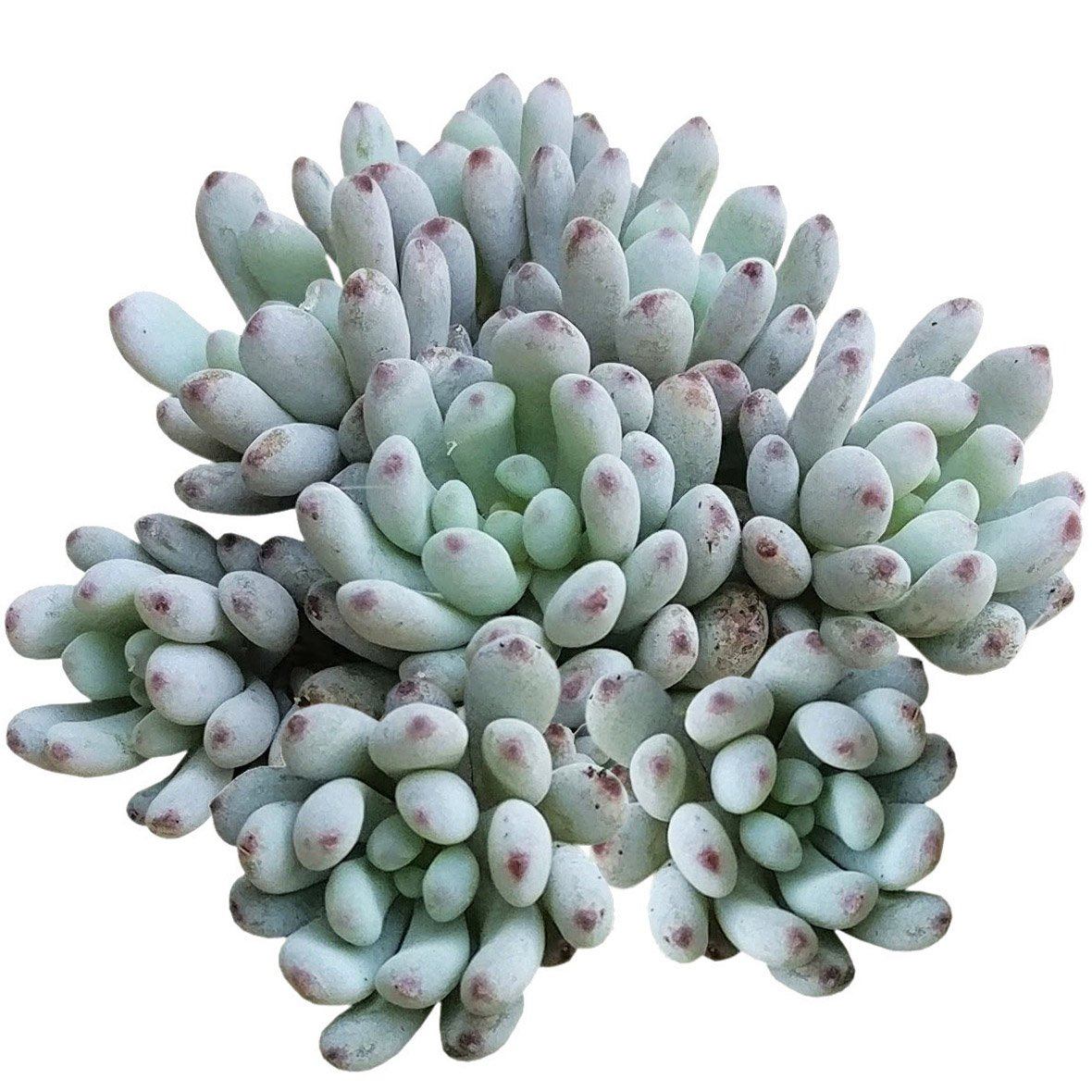
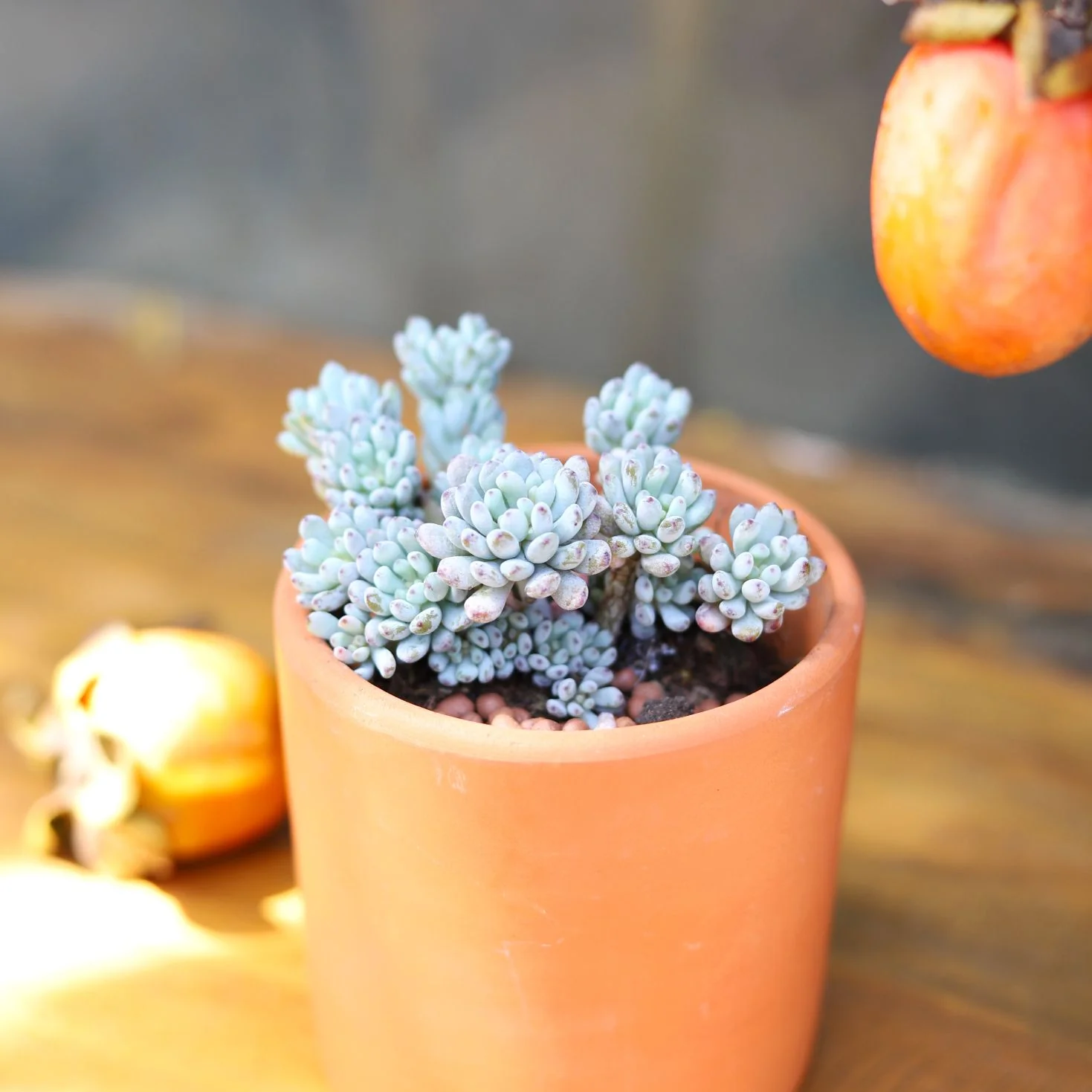
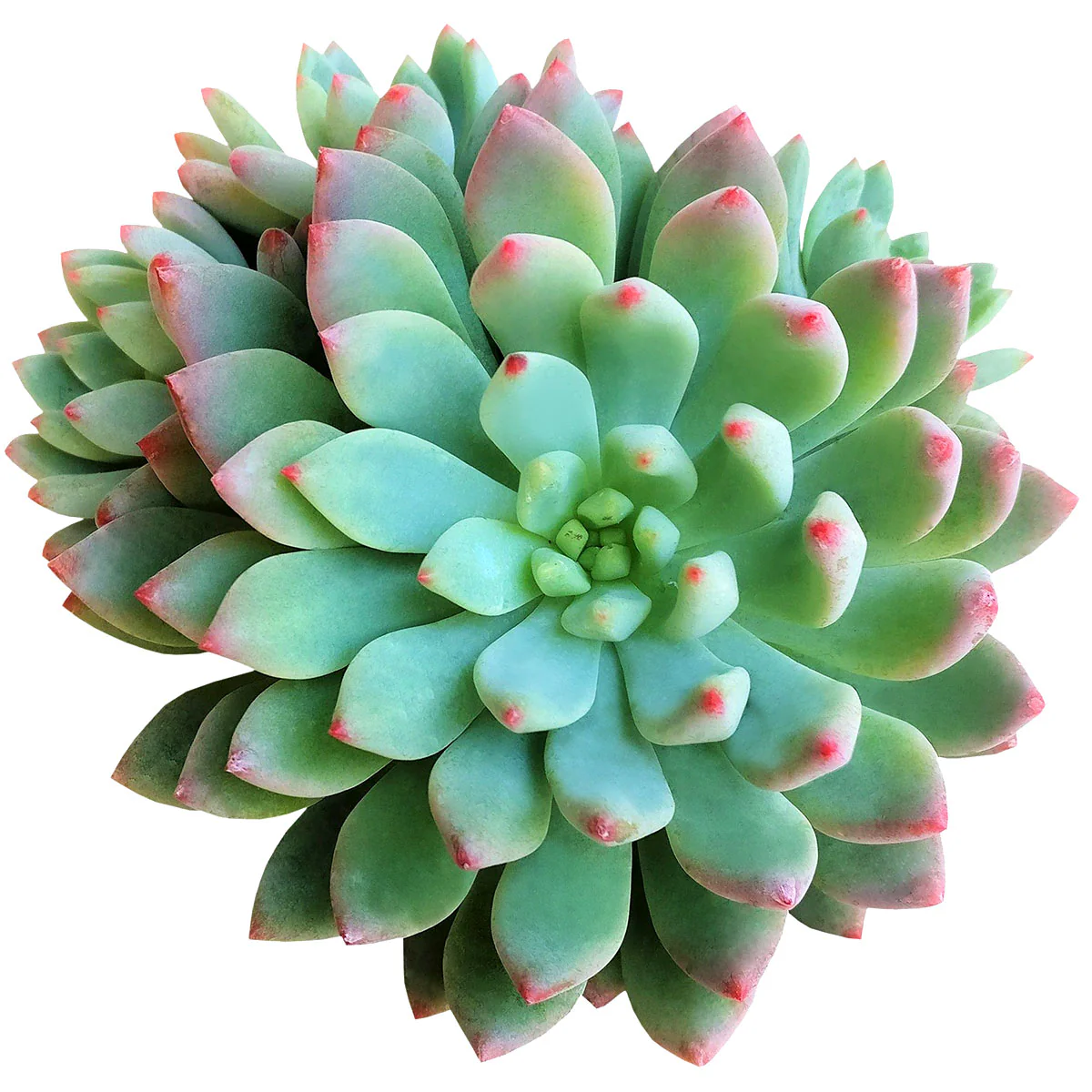
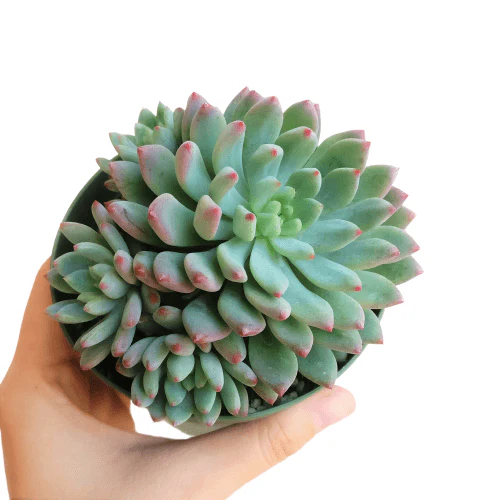
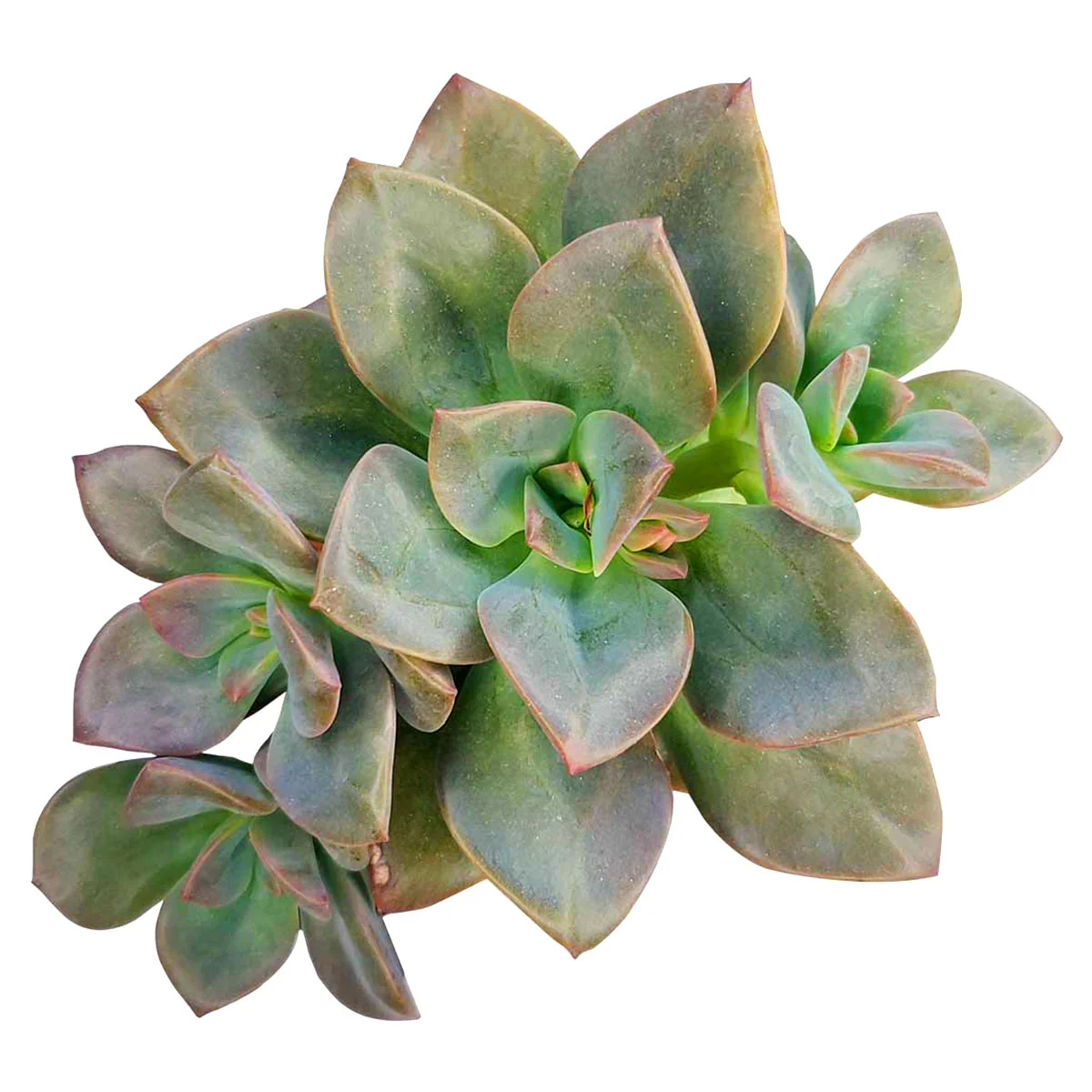
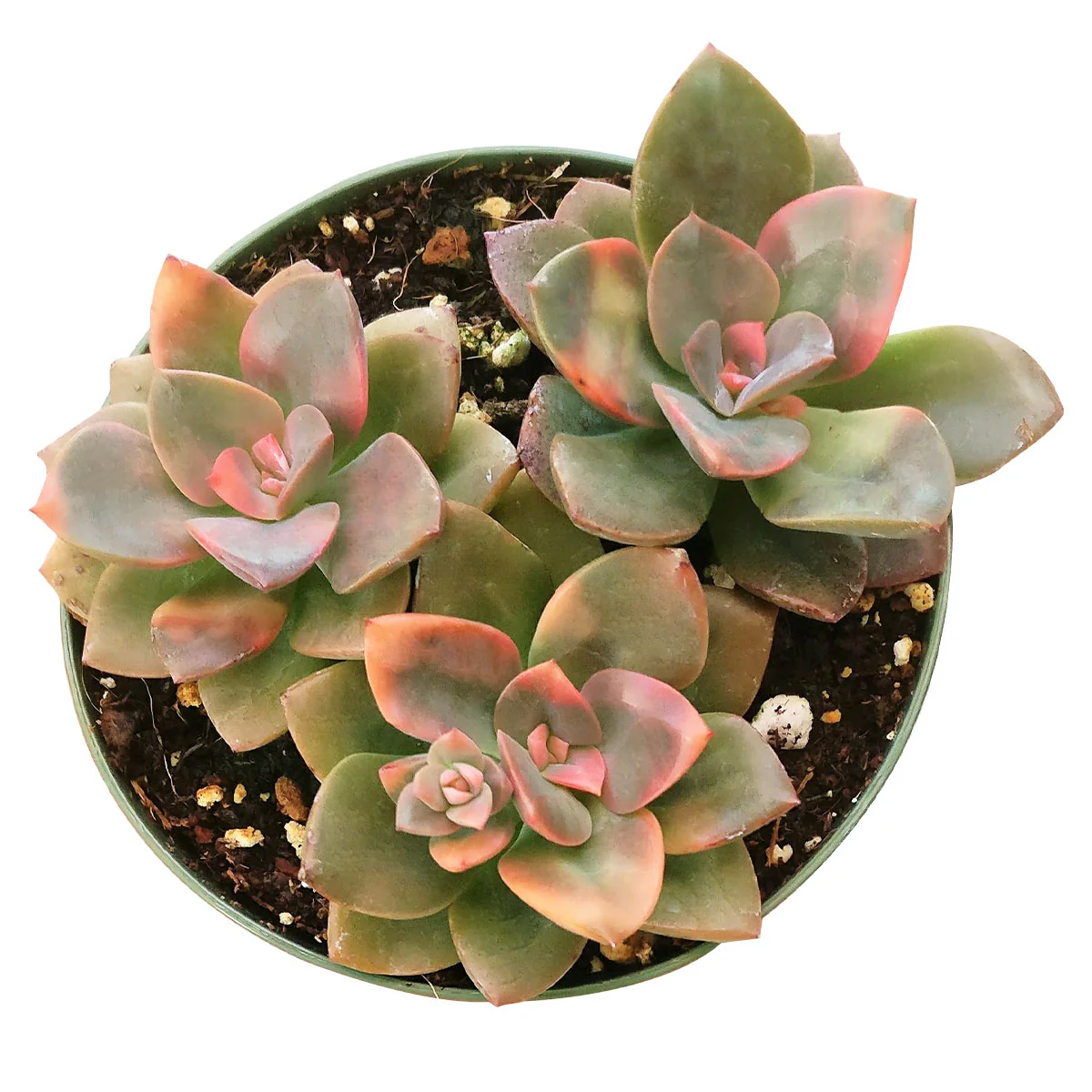
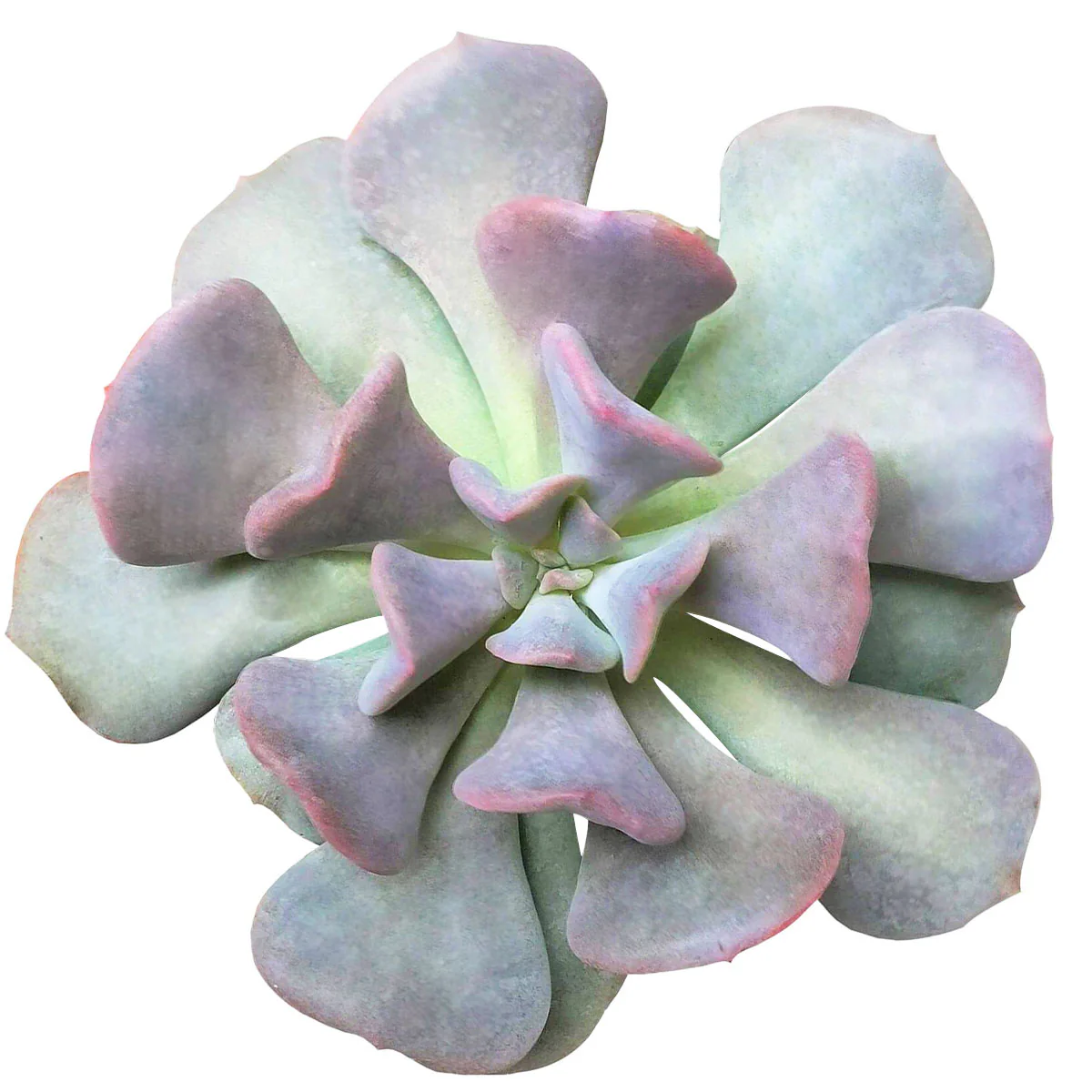
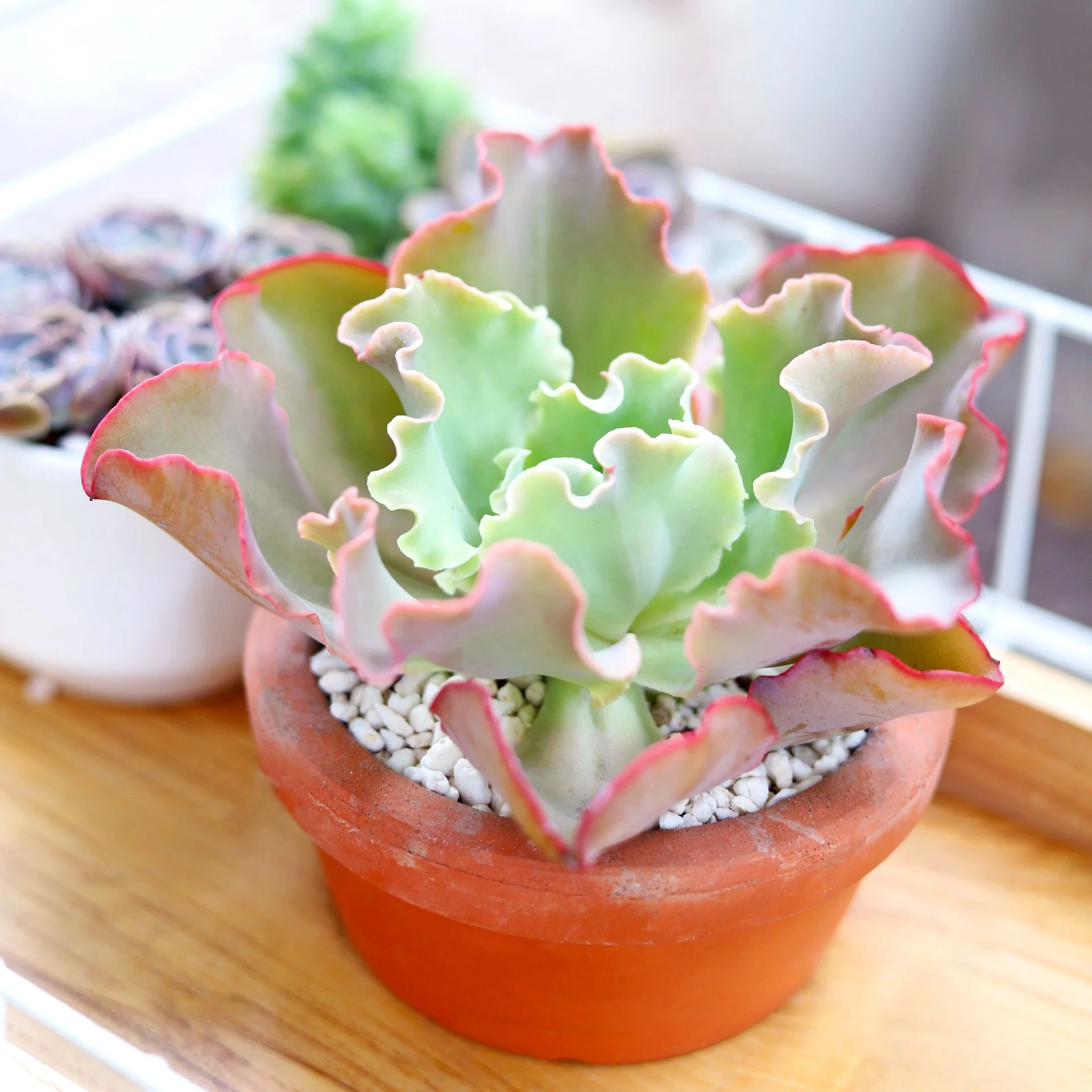
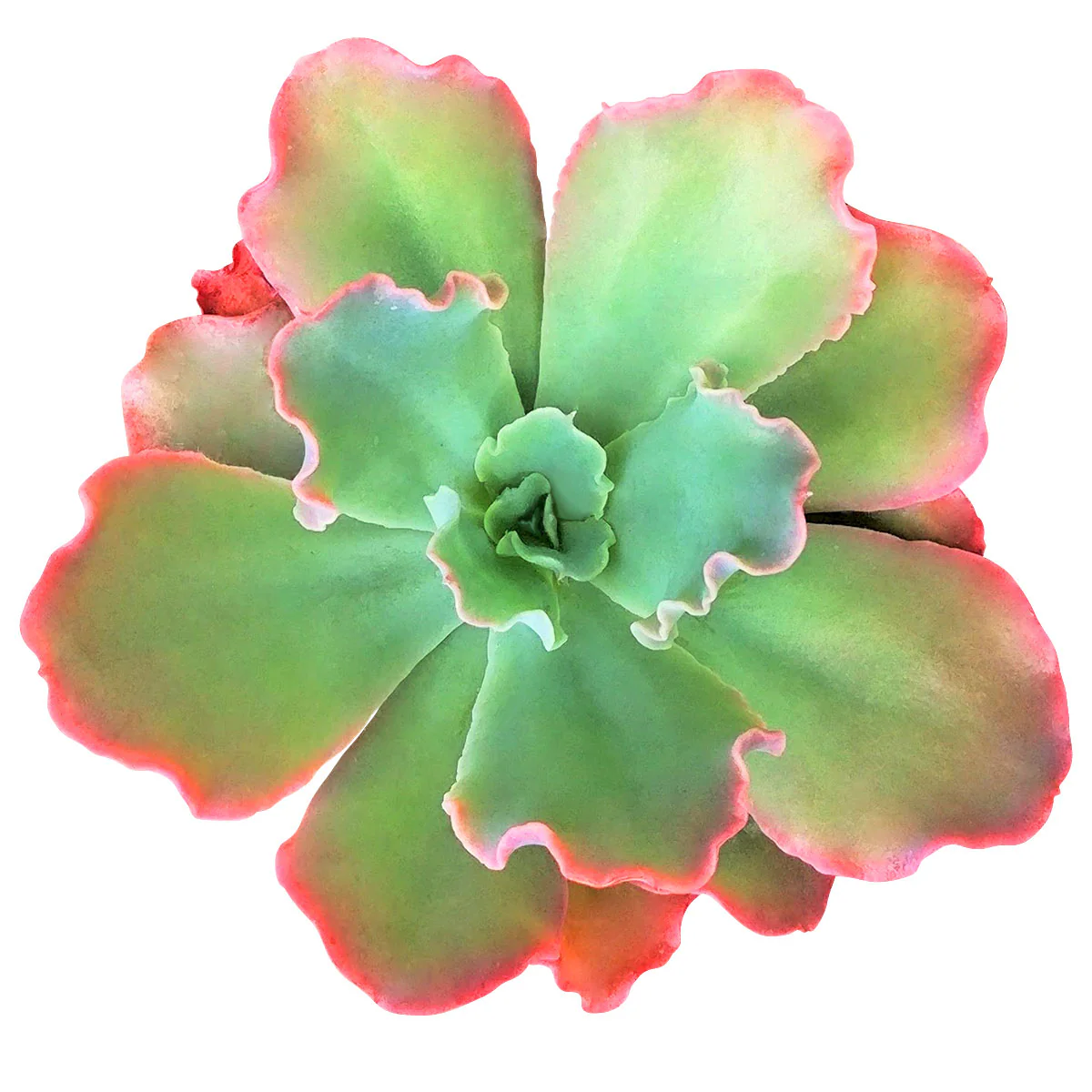
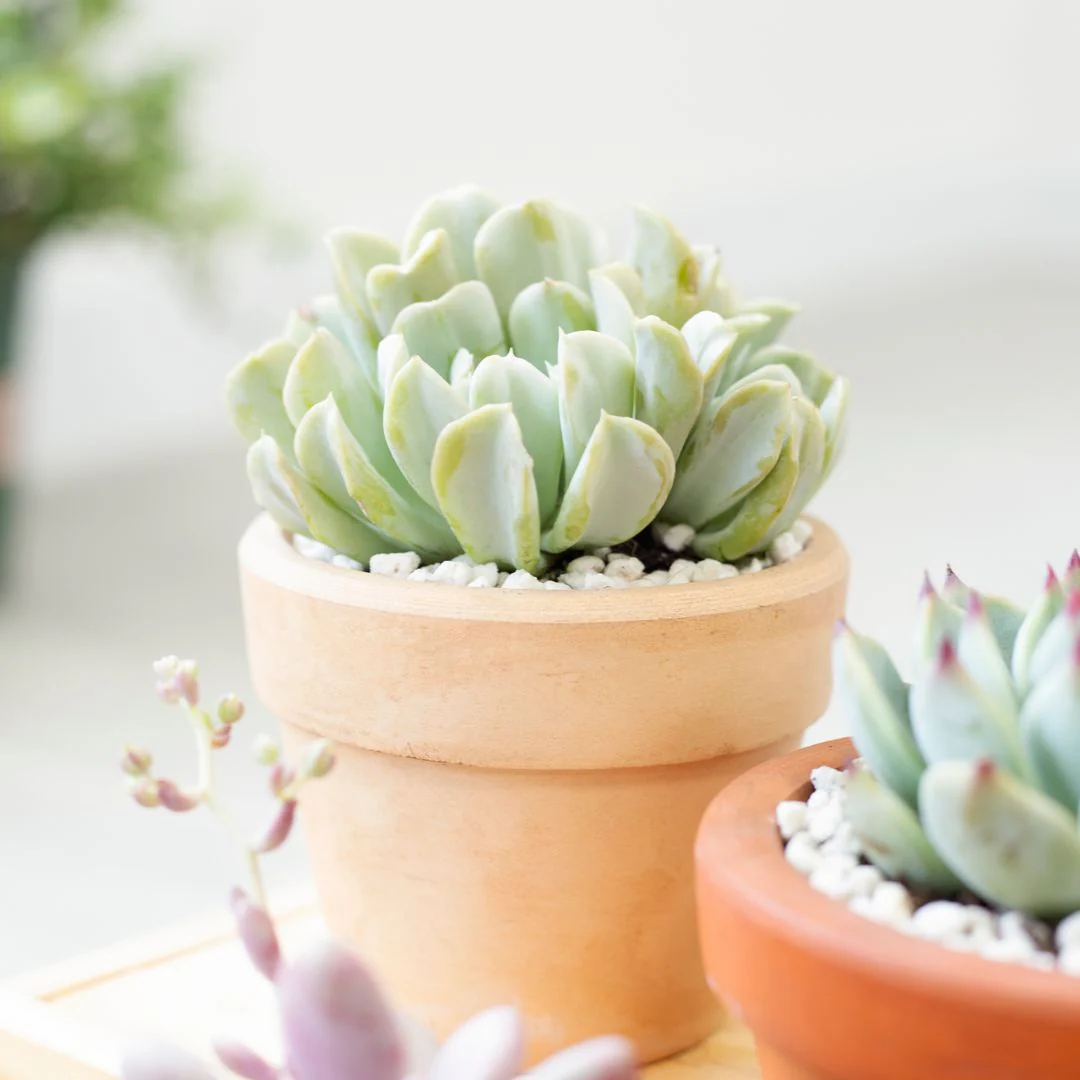
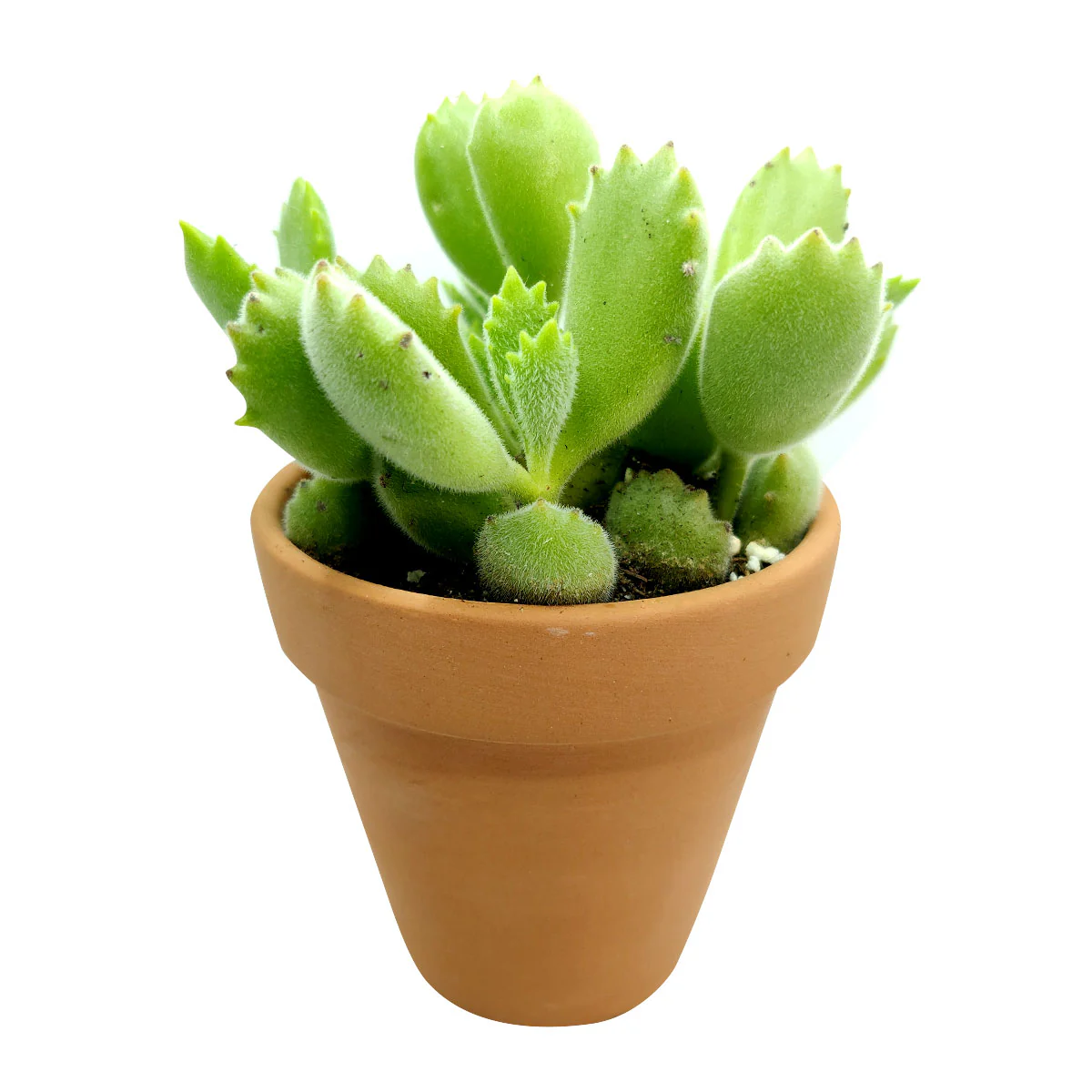
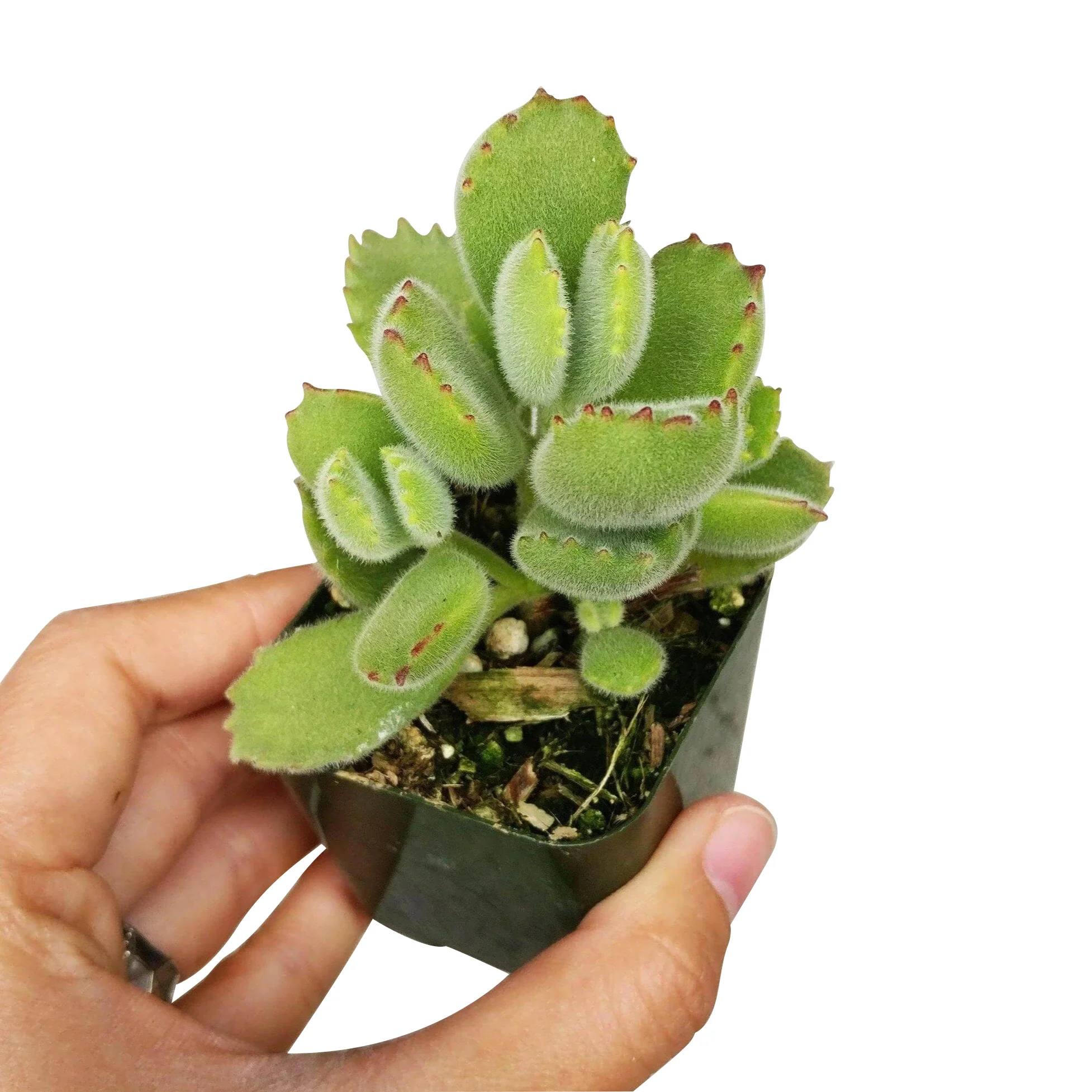
![]() Cotyledon tomentosa subsp. ladismithiensis, native to South Africa, is also known as Cotyledon Bear Paw or Bear’s Paw. It is a succulent shrublet up to 12 inches (30 cm) tall. It is densely branched and covered with fine tiny white hairs, giving it a velvety look. The leaves are up to 2 inches (5 cm) long, fleshy, yellow-green, sometimes with reddish tips. These leaves usually have from 1 to 3 apical teeth, resembling the "bear claws".
Cotyledon tomentosa subsp. ladismithiensis, native to South Africa, is also known as Cotyledon Bear Paw or Bear’s Paw. It is a succulent shrublet up to 12 inches (30 cm) tall. It is densely branched and covered with fine tiny white hairs, giving it a velvety look. The leaves are up to 2 inches (5 cm) long, fleshy, yellow-green, sometimes with reddish tips. These leaves usually have from 1 to 3 apical teeth, resembling the "bear claws". ![]() Cotyledon Bear's Paw produces clusters of yellow to orange-red bell-shaped flowers in late spring.
Cotyledon Bear's Paw produces clusters of yellow to orange-red bell-shaped flowers in late spring.![]() This plant is fragile so it may be shipped bare root carefully wrapped in bubblewrap and recycled newspaper.
This plant is fragile so it may be shipped bare root carefully wrapped in bubblewrap and recycled newspaper.
See more about How to Care for Cotyledon Tomentosa Bear Paw
![]() All of the plants will be shipped bare root.
All of the plants will be shipped bare root. -
![]() Porous soil with adequate drainage.
Porous soil with adequate drainage.![]() Bright light and ample airflow.
Bright light and ample airflow.![]() Water thoroughly when soil is dry to the touch then let drain completely.
Water thoroughly when soil is dry to the touch then let drain completely.![]() Can be mildly toxic to pets and humans
Can be mildly toxic to pets and humans -
![]() USDA Zone from 9b: to -3.8 °C (25 °F) to 11: above 4.5 °C (40 °F).
USDA Zone from 9b: to -3.8 °C (25 °F) to 11: above 4.5 °C (40 °F).
 Cotyledon tomentosa subsp. ladismithiensis, native to South Africa, is also known as Cotyledon Bear Paw or Bear’s Paw. It is a succulent shrublet up to 12 inches (30 cm) tall. It is densely branched and covered with fine tiny white hairs, giving it a velvety look. The leaves are up to 2 inches (5 cm) long, fleshy, yellow-green, sometimes with reddish tips. These leaves usually have from 1 to 3 apical teeth, resembling the "bear claws".
  Cotyledon Bear's Paw produces clusters of yellow to orange-red bell-shaped flowers in late spring.
 This plant is fragile so it may be shipped bare root carefully wrapped in bubblewrap and recycled newspaper.
 All of the plants will be shipped bare root.
 Porous soil with adequate drainage.
 Bright light and ample airflow.
 Water thoroughly when soil is dry to the touch then let drain completely.
 Can be mildly toxic to pets and humans
 USDA Zone from 9b: to -3.8 °C (25 °F) to 11: above 4.5 °C (40 °F).
Select Size
Select Style
From $2.31
Original: $7.69
-70%Cotyledon Tomentosa Bear Paw—
$7.69
$2.31Product Information
Product Information
Shipping & Returns
Shipping & Returns
Description
-
![]() Cotyledon tomentosa subsp. ladismithiensis, native to South Africa, is also known as Cotyledon Bear Paw or Bear’s Paw. It is a succulent shrublet up to 12 inches (30 cm) tall. It is densely branched and covered with fine tiny white hairs, giving it a velvety look. The leaves are up to 2 inches (5 cm) long, fleshy, yellow-green, sometimes with reddish tips. These leaves usually have from 1 to 3 apical teeth, resembling the "bear claws".
Cotyledon tomentosa subsp. ladismithiensis, native to South Africa, is also known as Cotyledon Bear Paw or Bear’s Paw. It is a succulent shrublet up to 12 inches (30 cm) tall. It is densely branched and covered with fine tiny white hairs, giving it a velvety look. The leaves are up to 2 inches (5 cm) long, fleshy, yellow-green, sometimes with reddish tips. These leaves usually have from 1 to 3 apical teeth, resembling the "bear claws". ![]() Cotyledon Bear's Paw produces clusters of yellow to orange-red bell-shaped flowers in late spring.
Cotyledon Bear's Paw produces clusters of yellow to orange-red bell-shaped flowers in late spring.![]() This plant is fragile so it may be shipped bare root carefully wrapped in bubblewrap and recycled newspaper.
This plant is fragile so it may be shipped bare root carefully wrapped in bubblewrap and recycled newspaper.
See more about How to Care for Cotyledon Tomentosa Bear Paw
![]() All of the plants will be shipped bare root.
All of the plants will be shipped bare root. -
![]() Porous soil with adequate drainage.
Porous soil with adequate drainage.![]() Bright light and ample airflow.
Bright light and ample airflow.![]() Water thoroughly when soil is dry to the touch then let drain completely.
Water thoroughly when soil is dry to the touch then let drain completely.![]() Can be mildly toxic to pets and humans
Can be mildly toxic to pets and humans -
![]() USDA Zone from 9b: to -3.8 °C (25 °F) to 11: above 4.5 °C (40 °F).
USDA Zone from 9b: to -3.8 °C (25 °F) to 11: above 4.5 °C (40 °F).