🚚 Free Worldwide Shipping on All Orders!Shop Now


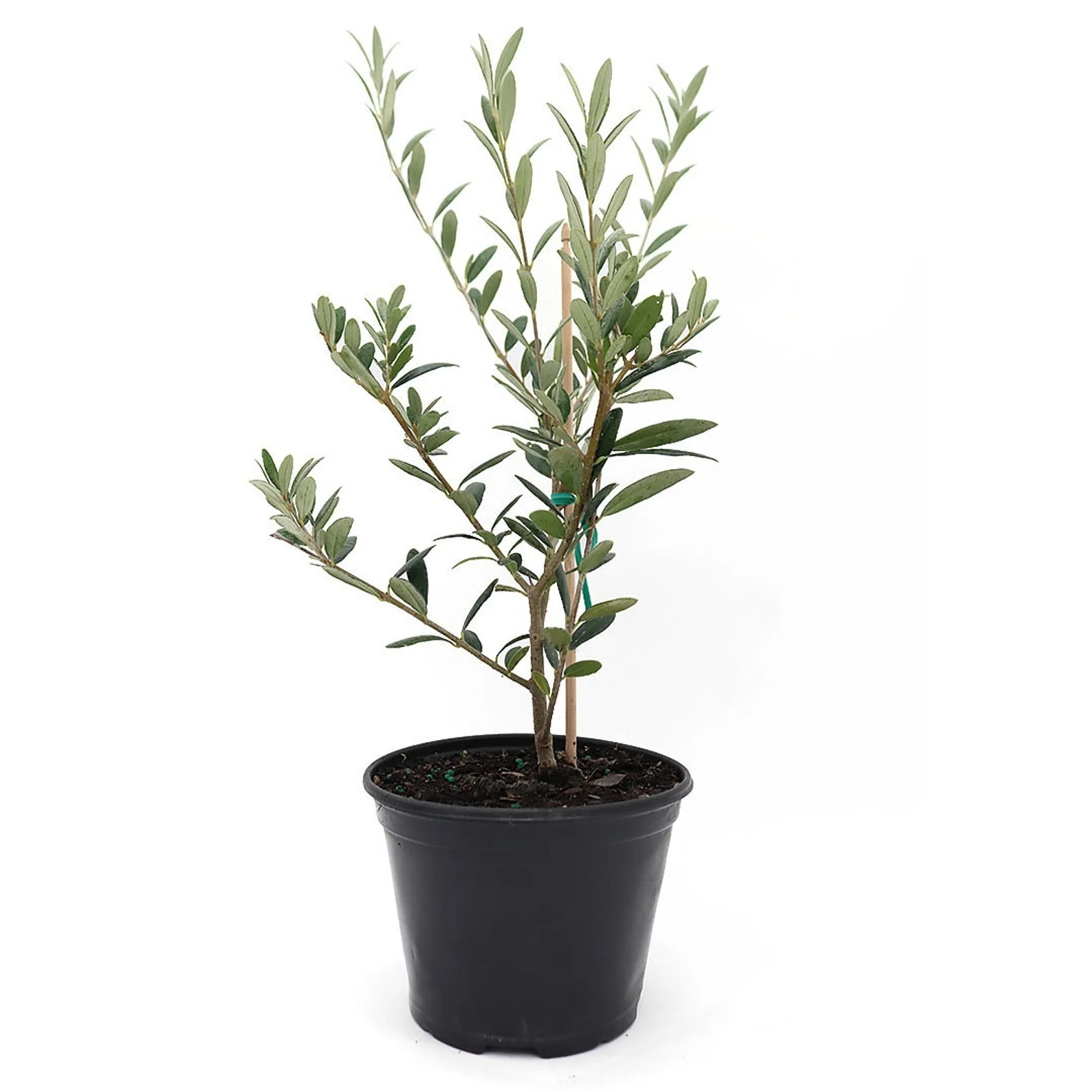
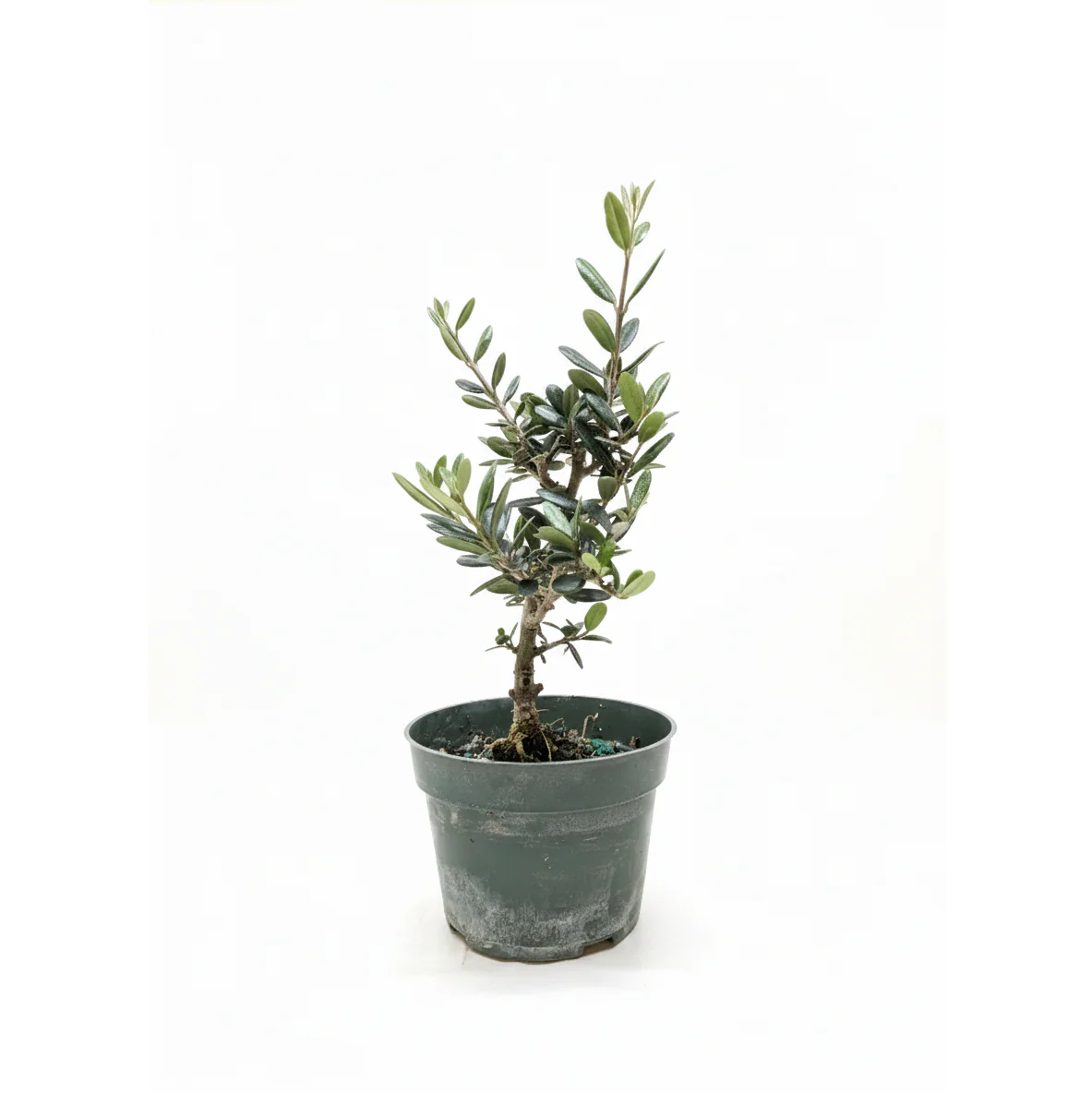

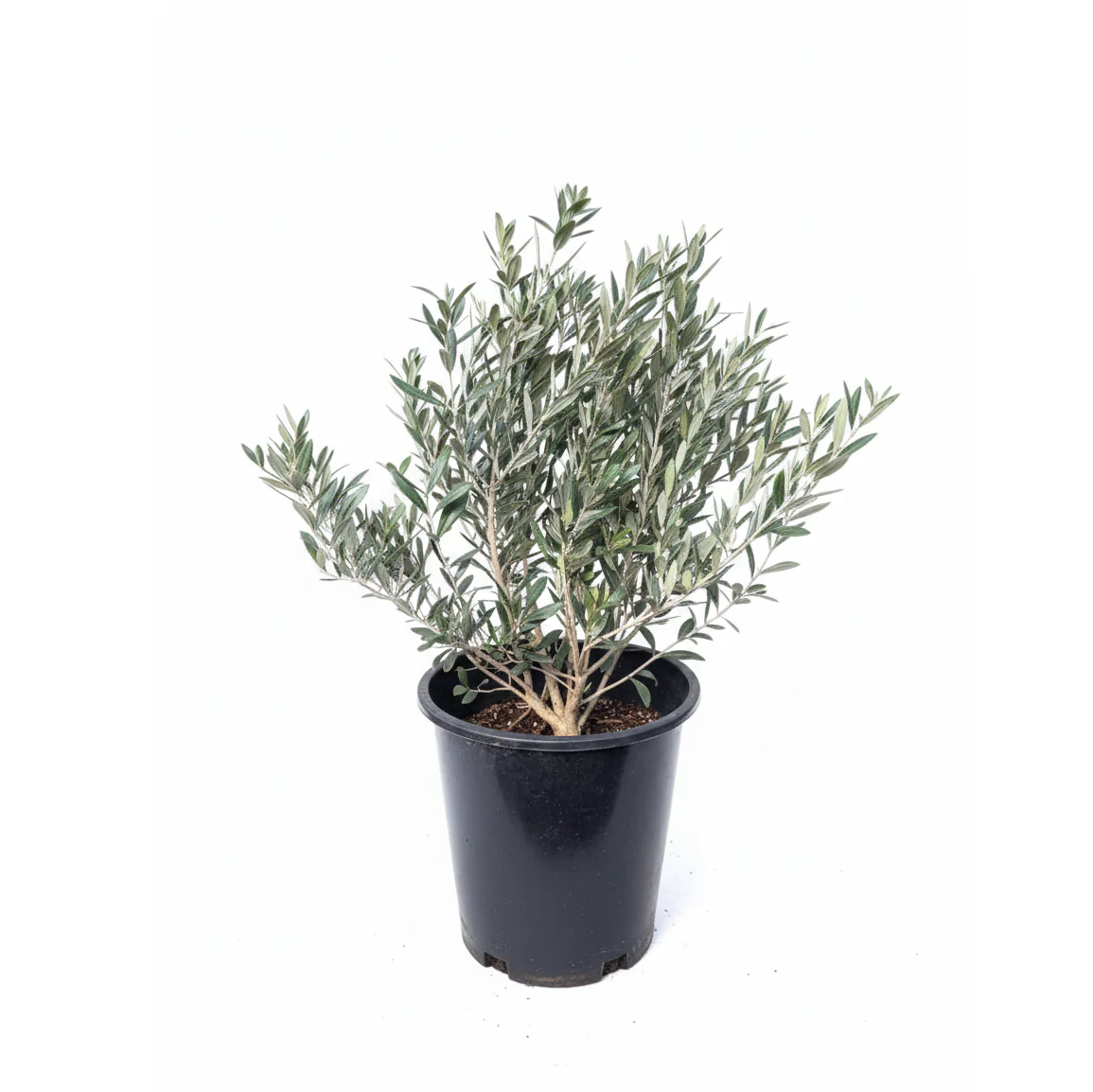
Common Olive Tree (Olea europaea)
-
![]() The olive tree originates from the Mediterranean Basin. It's a popular choice for decorative landscaping in Mediterranean-style gardens, courtyards, and as an elegant indoor container plant.
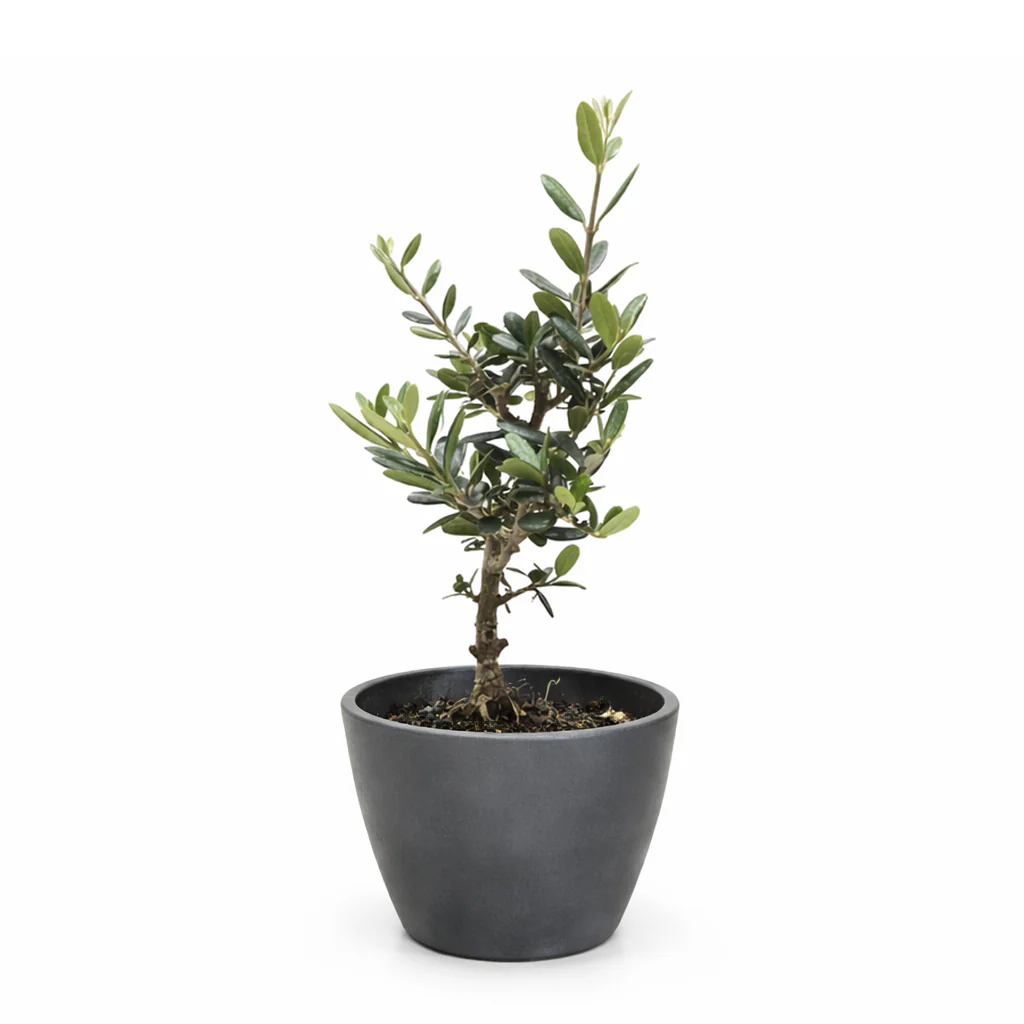
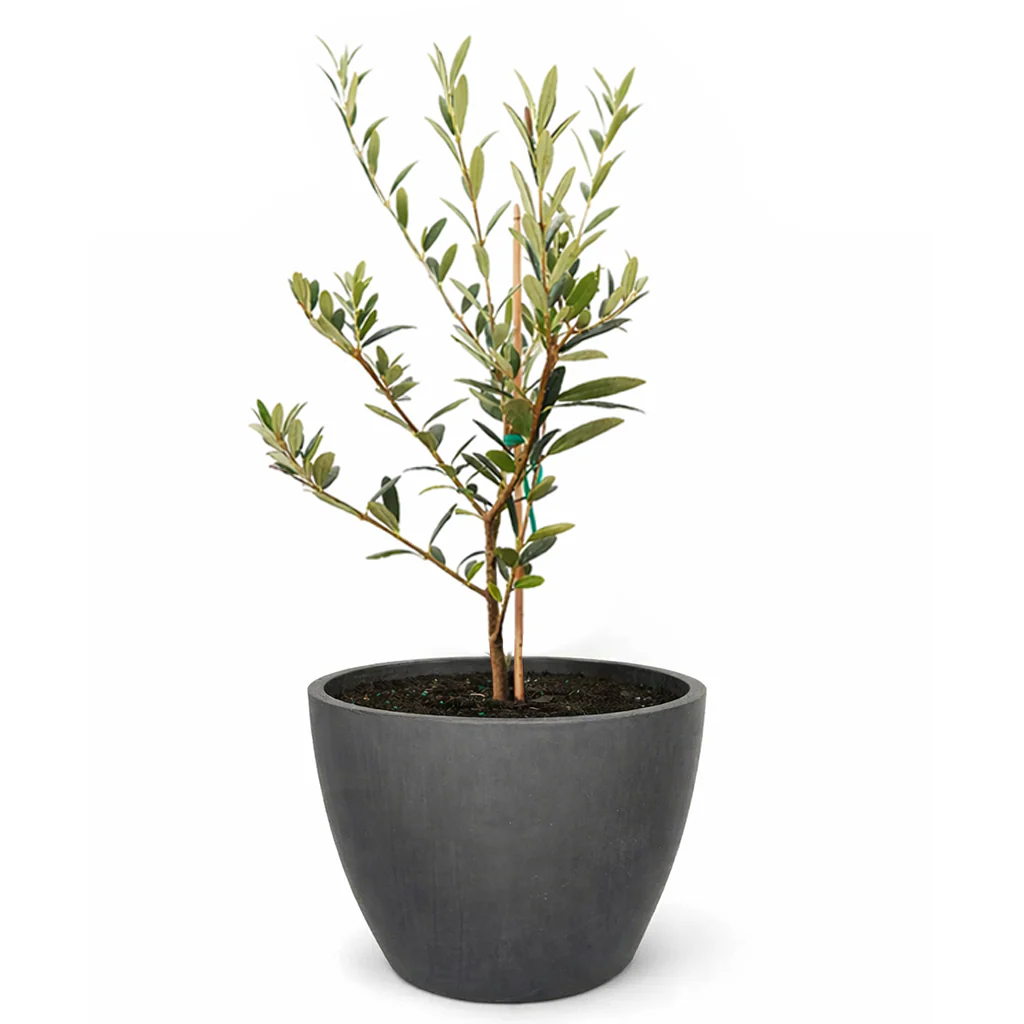
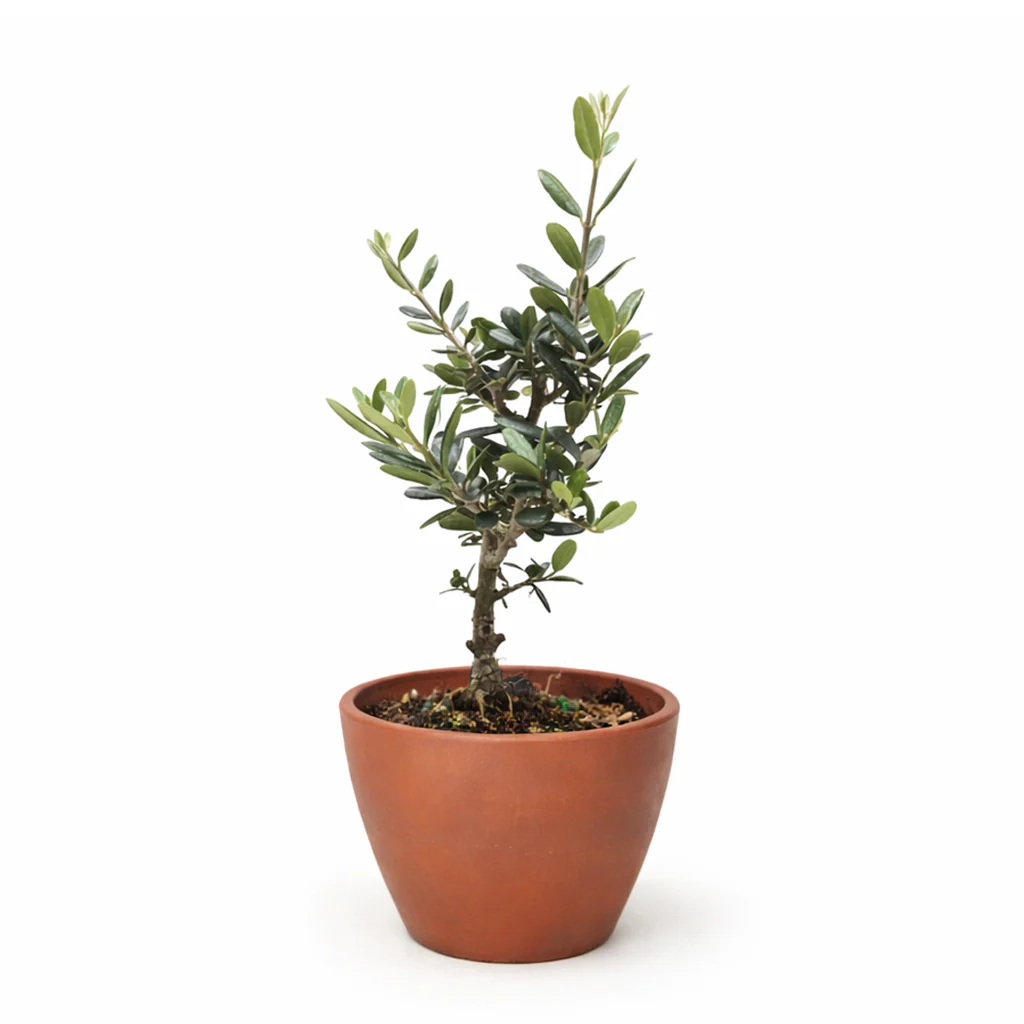
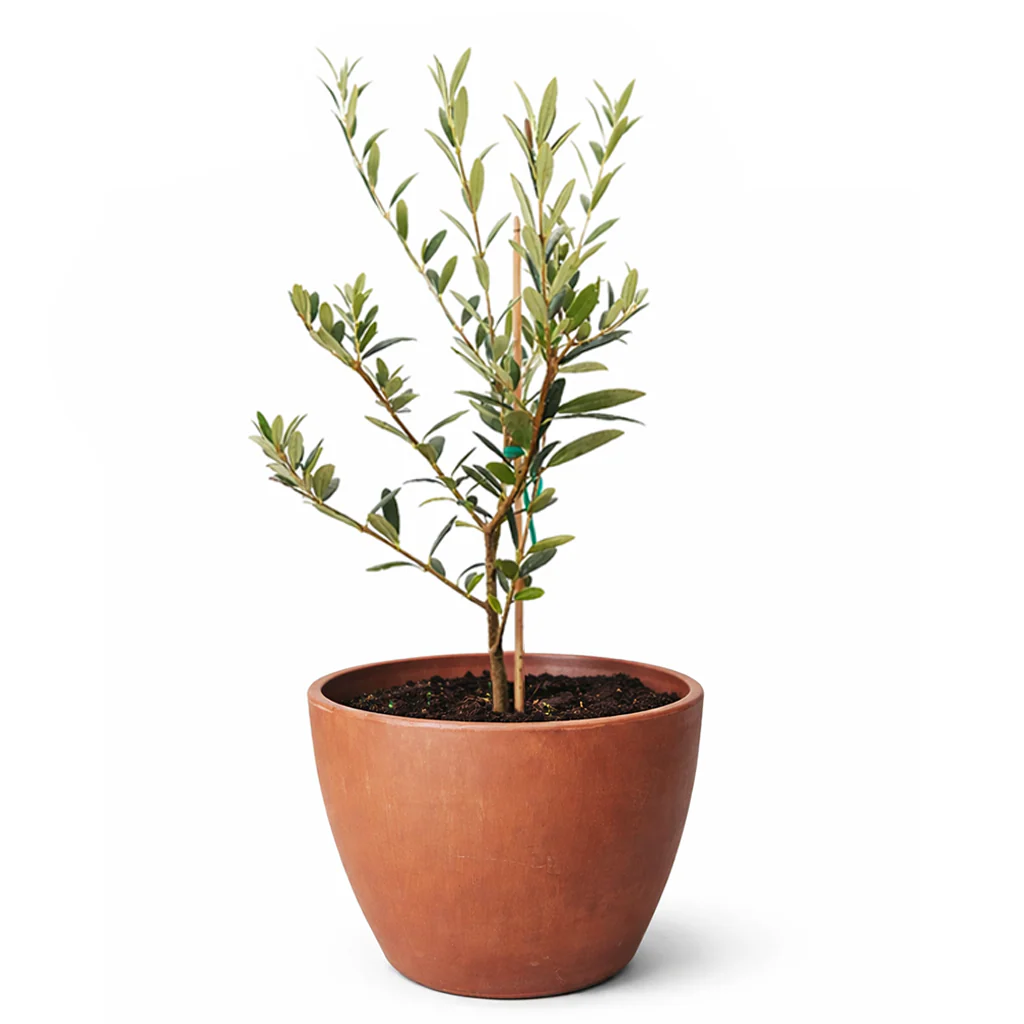
The olive tree originates from the Mediterranean Basin. It's a popular choice for decorative landscaping in Mediterranean-style gardens, courtyards, and as an elegant indoor container plant.![]() A truly elegant plant, this olive boasts a graceful structure and striking gray-green, silver foliage that shimmers in the sunlight. Its narrow, lance-shaped leaves and naturally compact, bushy growth create a refined, timeless beauty perfect for enhancing any space.
A truly elegant plant, this olive boasts a graceful structure and striking gray-green, silver foliage that shimmers in the sunlight. Its narrow, lance-shaped leaves and naturally compact, bushy growth create a refined, timeless beauty perfect for enhancing any space.![]() Olive trees are known for their relatively slow to moderate growth rate.
Olive trees are known for their relatively slow to moderate growth rate.![]() The olive tree is remarkably resilient and drought-tolerant once established. Like all living plants, the olive contributes to a healthier indoor environment by absorbing carbon dioxide and releasing oxygen, improving air quality.
The olive tree is remarkably resilient and drought-tolerant once established. Like all living plants, the olive contributes to a healthier indoor environment by absorbing carbon dioxide and releasing oxygen, improving air quality.
-
![]() In warmer climates (USDA Zones 8-10), the olive tree thrives outdoors in full sun. In cooler regions, it makes a stunning, long-lasting indoor plant near a bright window or can be moved outdoors in summer and brought inside for winter.
In warmer climates (USDA Zones 8-10), the olive tree thrives outdoors in full sun. In cooler regions, it makes a stunning, long-lasting indoor plant near a bright window or can be moved outdoors in summer and brought inside for winter.![]() Water when the top soil is dry, and protect from harsh frosts.
Water when the top soil is dry, and protect from harsh frosts.![]() The most critical factor for olive tree soil is excellent drainage. They are highly susceptible to root rot in waterlogged conditions.
The most critical factor for olive tree soil is excellent drainage. They are highly susceptible to root rot in waterlogged conditions.![]() Ideal temperatures range from 59°F to 86°F (15°C to 30°C).
Ideal temperatures range from 59°F to 86°F (15°C to 30°C).
![]() Olive trees (Olea europaea) are widely considered non-toxic to humans, dogs, and cats.
Olive trees (Olea europaea) are widely considered non-toxic to humans, dogs, and cats.
-
![]() USDA Zone 8-10
USDA Zone 8-10USDA Zone 9b: to -3.8 °C (25 °F)
USDA Zone 10a: to -1.1 °C (30 °F)
USDA Zone 10b: to 1.7 °C (35 °F)
USDA Zone 11: above 4.5 °C (40 °F)
 The olive tree originates from the Mediterranean Basin. It's a popular choice for decorative landscaping in Mediterranean-style gardens, courtyards, and as an elegant indoor container plant.
 A truly elegant plant, this olive boasts a graceful structure and striking gray-green, silver foliage that shimmers in the sunlight. Its narrow, lance-shaped leaves and naturally compact, bushy growth create a refined, timeless beauty perfect for enhancing any space.
 Olive trees are known for their relatively slow to moderate growth rate.
 In warmer climates (USDA Zones 8-10), the olive tree thrives outdoors in full sun. In cooler regions, it makes a stunning, long-lasting indoor plant near a bright window or can be moved outdoors in summer and brought inside for winter.
 Water when the top soil is dry, and protect from harsh frosts.
 The most critical factor for olive tree soil is excellent drainage. They are highly susceptible to root rot in waterlogged conditions.
 Ideal temperatures range from 59°F to 86°F (15°C to 30°C).
  Olive trees (Olea europaea) are widely considered non-toxic to humans, dogs, and cats.
 USDA Zone 8-10
Select Title
From $10.28
Original: $34.28
-70%Common Olive Tree (Olea europaea)—
$34.28
$10.28Product Information
Product Information
Shipping & Returns
Shipping & Returns
Description
-
![]() The olive tree originates from the Mediterranean Basin. It's a popular choice for decorative landscaping in Mediterranean-style gardens, courtyards, and as an elegant indoor container plant.
The olive tree originates from the Mediterranean Basin. It's a popular choice for decorative landscaping in Mediterranean-style gardens, courtyards, and as an elegant indoor container plant.![]() A truly elegant plant, this olive boasts a graceful structure and striking gray-green, silver foliage that shimmers in the sunlight. Its narrow, lance-shaped leaves and naturally compact, bushy growth create a refined, timeless beauty perfect for enhancing any space.
A truly elegant plant, this olive boasts a graceful structure and striking gray-green, silver foliage that shimmers in the sunlight. Its narrow, lance-shaped leaves and naturally compact, bushy growth create a refined, timeless beauty perfect for enhancing any space.![]() Olive trees are known for their relatively slow to moderate growth rate.
Olive trees are known for their relatively slow to moderate growth rate.![]() The olive tree is remarkably resilient and drought-tolerant once established. Like all living plants, the olive contributes to a healthier indoor environment by absorbing carbon dioxide and releasing oxygen, improving air quality.
The olive tree is remarkably resilient and drought-tolerant once established. Like all living plants, the olive contributes to a healthier indoor environment by absorbing carbon dioxide and releasing oxygen, improving air quality.
-
![]() In warmer climates (USDA Zones 8-10), the olive tree thrives outdoors in full sun. In cooler regions, it makes a stunning, long-lasting indoor plant near a bright window or can be moved outdoors in summer and brought inside for winter.
In warmer climates (USDA Zones 8-10), the olive tree thrives outdoors in full sun. In cooler regions, it makes a stunning, long-lasting indoor plant near a bright window or can be moved outdoors in summer and brought inside for winter.![]() Water when the top soil is dry, and protect from harsh frosts.
Water when the top soil is dry, and protect from harsh frosts.![]() The most critical factor for olive tree soil is excellent drainage. They are highly susceptible to root rot in waterlogged conditions.
The most critical factor for olive tree soil is excellent drainage. They are highly susceptible to root rot in waterlogged conditions.![]() Ideal temperatures range from 59°F to 86°F (15°C to 30°C).
Ideal temperatures range from 59°F to 86°F (15°C to 30°C).
![]() Olive trees (Olea europaea) are widely considered non-toxic to humans, dogs, and cats.
Olive trees (Olea europaea) are widely considered non-toxic to humans, dogs, and cats.
-
![]() USDA Zone 8-10
USDA Zone 8-10USDA Zone 9b: to -3.8 °C (25 °F)
USDA Zone 10a: to -1.1 °C (30 °F)
USDA Zone 10b: to 1.7 °C (35 °F)
USDA Zone 11: above 4.5 °C (40 °F)