🚚 Free Worldwide Shipping on All Orders!Shop Now



Calathea Concinna 'Freddie'
-
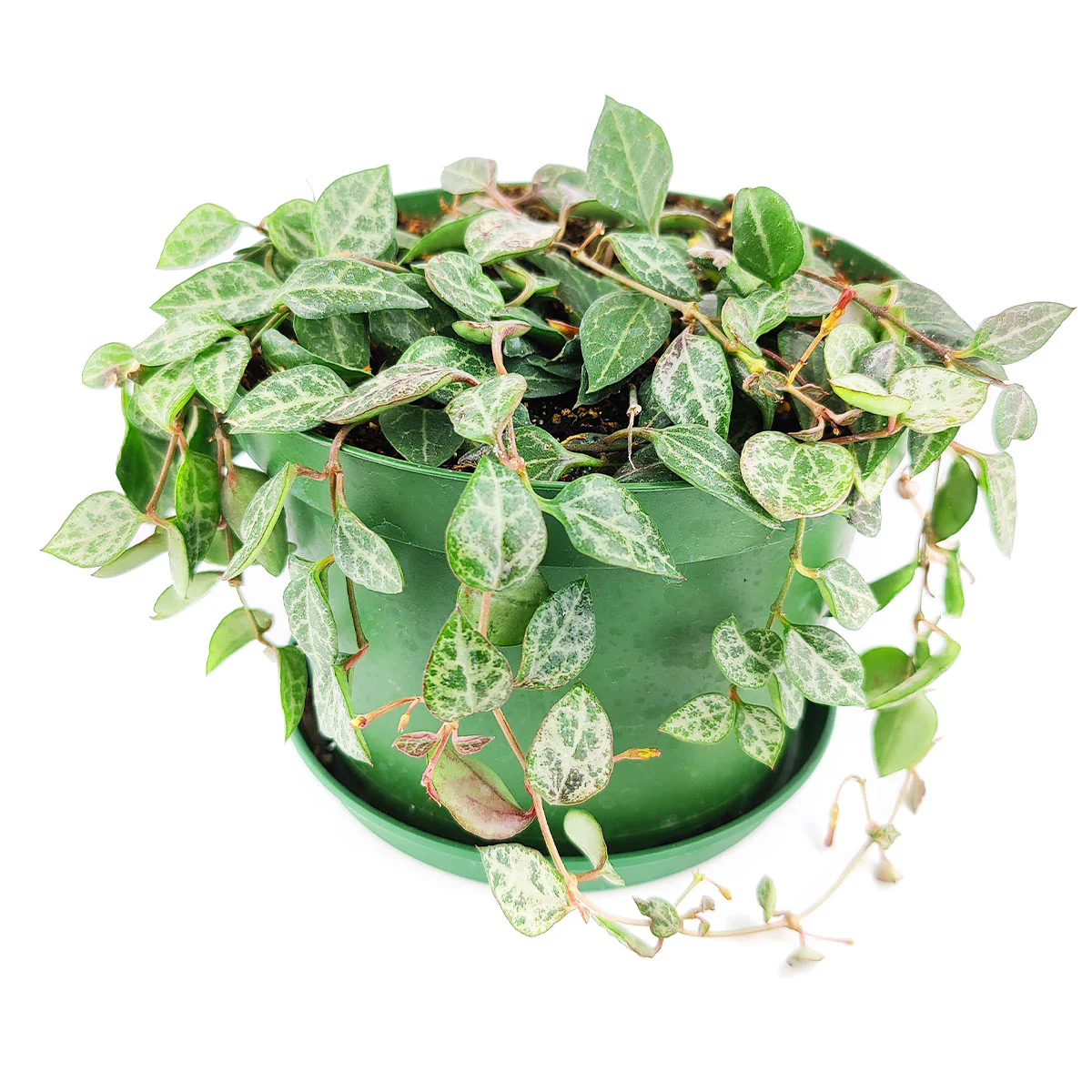
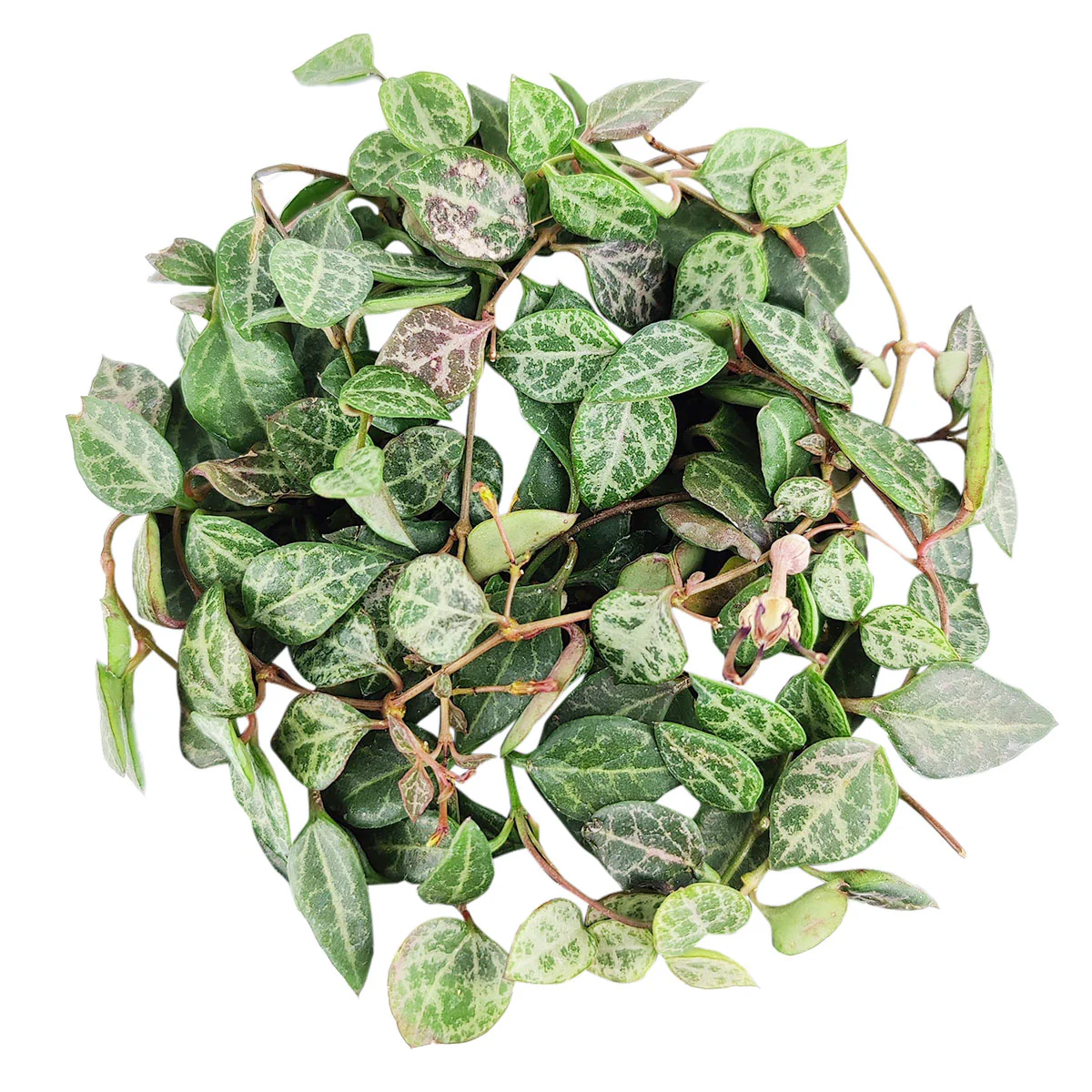
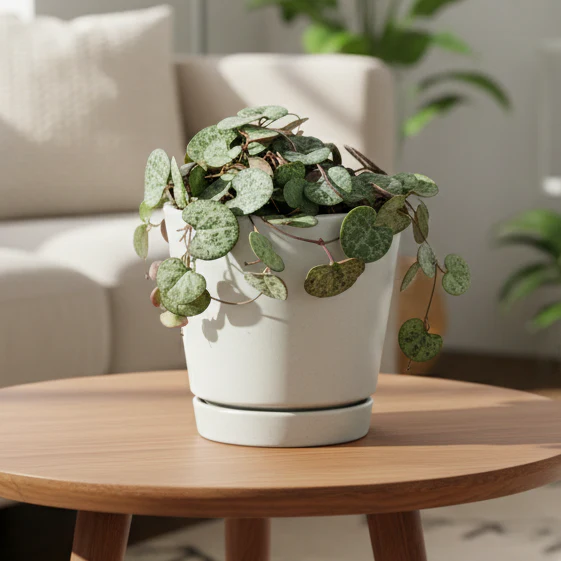
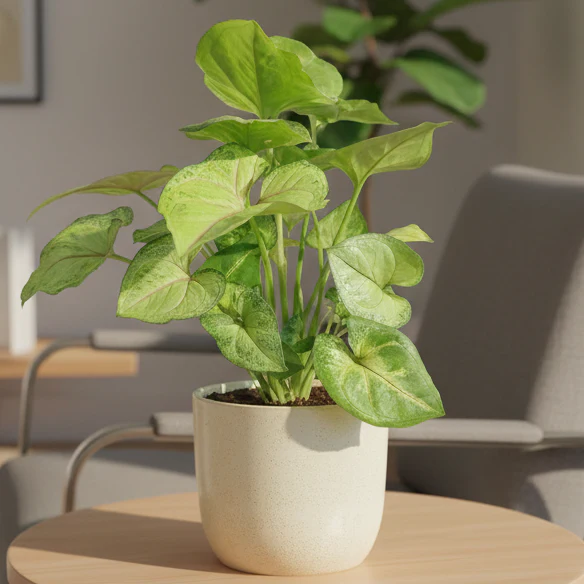
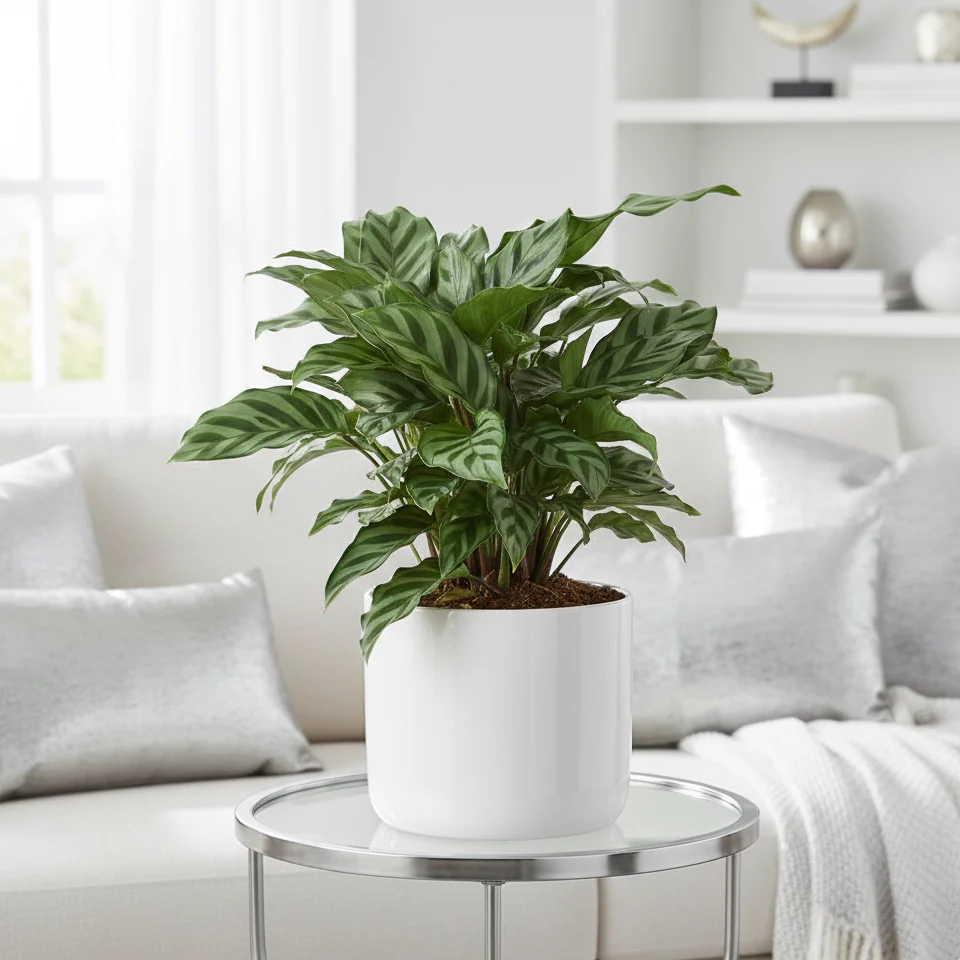
![]() This striking Calathea cultivar, commonly known as the 'Freddie', features soft, vibrant green leaves adorned with a unique pattern of darker green, feather-like stripes. Its lush, upright, and oval foliage makes it a dramatic and beautiful accent in any indoor space. Like its relatives, the 'Freddie' is famous for its "prayer plant" habit - its leaves move and adjust as the sun rotates throughout the day, folding up at night and unfurling in the morning.
This striking Calathea cultivar, commonly known as the 'Freddie', features soft, vibrant green leaves adorned with a unique pattern of darker green, feather-like stripes. Its lush, upright, and oval foliage makes it a dramatic and beautiful accent in any indoor space. Like its relatives, the 'Freddie' is famous for its "prayer plant" habit - its leaves move and adjust as the sun rotates throughout the day, folding up at night and unfurling in the morning.![]() Calathea plants are native to the tropical understory of South and Central America, Africa, and the West Indies, where they thrive in the warm, shaded, and humid environments beneath the forest canopy.
Calathea plants are native to the tropical understory of South and Central America, Africa, and the West Indies, where they thrive in the warm, shaded, and humid environments beneath the forest canopy.![]() While Calathea plants can produce small, usually white or yellow flowers on a spike, they are primarily grown for their stunning, decorative foliage. The flowers of the 'Freddie' are generally insignificant compared to the captivating beauty of its leaves.
While Calathea plants can produce small, usually white or yellow flowers on a spike, they are primarily grown for their stunning, decorative foliage. The flowers of the 'Freddie' are generally insignificant compared to the captivating beauty of its leaves.
-
![]() Bright, Indirect Light is best. Direct sunlight will scorch or fade the beautiful leaf patterns. They are well-suited for medium light conditions.
Bright, Indirect Light is best. Direct sunlight will scorch or fade the beautiful leaf patterns. They are well-suited for medium light conditions.![]() Keep the soil consistently moist but not soggy. Water when the top inch of soil feels dry. Use distilled or filtered water to prevent brown leaf tips, as they are sensitive to chemicals like chlorine and mineral salts found in tap water.
Keep the soil consistently moist but not soggy. Water when the top inch of soil feels dry. Use distilled or filtered water to prevent brown leaf tips, as they are sensitive to chemicals like chlorine and mineral salts found in tap water.![]() Use a well-draining, moisture-retentive potting mix. A mix designed for tropical plants or a standard indoor mix amended with perlite and peat moss works well.
Use a well-draining, moisture-retentive potting mix. A mix designed for tropical plants or a standard indoor mix amended with perlite and peat moss works well.![]() Thrives in standard household temperatures, ideally betwee 65°F-85°F. Avoid cold drafts and sudden temperature drops.
Thrives in standard household temperatures, ideally betwee 65°F-85°F. Avoid cold drafts and sudden temperature drops.![]() This plant should be fertilized once per month during the growing season (spring/summer) with diluted houseplant fertilizer. You can also feat this plant with a slow-release fertilizer once or twice per year.
This plant should be fertilized once per month during the growing season (spring/summer) with diluted houseplant fertilizer. You can also feat this plant with a slow-release fertilizer once or twice per year.![]() Non-toxic to cats and dogs, making it a safe choice for pet owners.
Non-toxic to cats and dogs, making it a safe choice for pet owners. -
![]() Typically grown as a houseplant, but for outdoor reference, the plant is hardy in USDA Zones 10-12.
Typically grown as a houseplant, but for outdoor reference, the plant is hardy in USDA Zones 10-12.

 Calathea plants are native to the tropical understory of South and Central America, Africa, and the West Indies, where they thrive in the warm, shaded, and humid environments beneath the forest canopy.
 While Calathea plants can produce small, usually white or yellow flowers on a spike, they are primarily grown for their stunning, decorative foliage. The flowers of the 'Freddie' are generally insignificant compared to the captivating beauty of its leaves.
 Bright, Indirect Light is best. Direct sunlight will scorch or fade the beautiful leaf patterns. They are well-suited for medium light conditions.
 Keep the soil consistently moist but not soggy. Water when the top inch of soil feels dry. Use distilled or filtered water to prevent brown leaf tips, as they are sensitive to chemicals like chlorine and mineral salts found in tap water.
 Use a well-draining, moisture-retentive potting mix. A mix designed for tropical plants or a standard indoor mix amended with perlite and peat moss works well.
 Thrives in standard household temperatures, ideally betwee 65°F-85°F. Avoid cold drafts and sudden temperature drops.
 This plant should be fertilized once per month during the growing season (spring/summer) with diluted houseplant fertilizer. You can also feat this plant with a slow-release fertilizer once or twice per year.
 Non-toxic to cats and dogs, making it a safe choice for pet owners.
 Typically grown as a houseplant, but for outdoor reference, the plant is hardy in USDA Zones 10-12.
Select Size
From $9.30
Original: $30.99
-70%Calathea Concinna 'Freddie'—
$30.99
$9.30Product Information
Product Information
Shipping & Returns
Shipping & Returns
Description
-
![]() This striking Calathea cultivar, commonly known as the 'Freddie', features soft, vibrant green leaves adorned with a unique pattern of darker green, feather-like stripes. Its lush, upright, and oval foliage makes it a dramatic and beautiful accent in any indoor space. Like its relatives, the 'Freddie' is famous for its "prayer plant" habit - its leaves move and adjust as the sun rotates throughout the day, folding up at night and unfurling in the morning.
This striking Calathea cultivar, commonly known as the 'Freddie', features soft, vibrant green leaves adorned with a unique pattern of darker green, feather-like stripes. Its lush, upright, and oval foliage makes it a dramatic and beautiful accent in any indoor space. Like its relatives, the 'Freddie' is famous for its "prayer plant" habit - its leaves move and adjust as the sun rotates throughout the day, folding up at night and unfurling in the morning.![]() Calathea plants are native to the tropical understory of South and Central America, Africa, and the West Indies, where they thrive in the warm, shaded, and humid environments beneath the forest canopy.
Calathea plants are native to the tropical understory of South and Central America, Africa, and the West Indies, where they thrive in the warm, shaded, and humid environments beneath the forest canopy.![]() While Calathea plants can produce small, usually white or yellow flowers on a spike, they are primarily grown for their stunning, decorative foliage. The flowers of the 'Freddie' are generally insignificant compared to the captivating beauty of its leaves.
While Calathea plants can produce small, usually white or yellow flowers on a spike, they are primarily grown for their stunning, decorative foliage. The flowers of the 'Freddie' are generally insignificant compared to the captivating beauty of its leaves.
-
![]() Bright, Indirect Light is best. Direct sunlight will scorch or fade the beautiful leaf patterns. They are well-suited for medium light conditions.
Bright, Indirect Light is best. Direct sunlight will scorch or fade the beautiful leaf patterns. They are well-suited for medium light conditions.![]() Keep the soil consistently moist but not soggy. Water when the top inch of soil feels dry. Use distilled or filtered water to prevent brown leaf tips, as they are sensitive to chemicals like chlorine and mineral salts found in tap water.
Keep the soil consistently moist but not soggy. Water when the top inch of soil feels dry. Use distilled or filtered water to prevent brown leaf tips, as they are sensitive to chemicals like chlorine and mineral salts found in tap water.![]() Use a well-draining, moisture-retentive potting mix. A mix designed for tropical plants or a standard indoor mix amended with perlite and peat moss works well.
Use a well-draining, moisture-retentive potting mix. A mix designed for tropical plants or a standard indoor mix amended with perlite and peat moss works well.![]() Thrives in standard household temperatures, ideally betwee 65°F-85°F. Avoid cold drafts and sudden temperature drops.
Thrives in standard household temperatures, ideally betwee 65°F-85°F. Avoid cold drafts and sudden temperature drops.![]() This plant should be fertilized once per month during the growing season (spring/summer) with diluted houseplant fertilizer. You can also feat this plant with a slow-release fertilizer once or twice per year.
This plant should be fertilized once per month during the growing season (spring/summer) with diluted houseplant fertilizer. You can also feat this plant with a slow-release fertilizer once or twice per year.![]() Non-toxic to cats and dogs, making it a safe choice for pet owners.
Non-toxic to cats and dogs, making it a safe choice for pet owners. -
![]() Typically grown as a houseplant, but for outdoor reference, the plant is hardy in USDA Zones 10-12.
Typically grown as a houseplant, but for outdoor reference, the plant is hardy in USDA Zones 10-12.