🚚 Free Worldwide Shipping on All Orders!Shop Now





Boobie Cactus
-
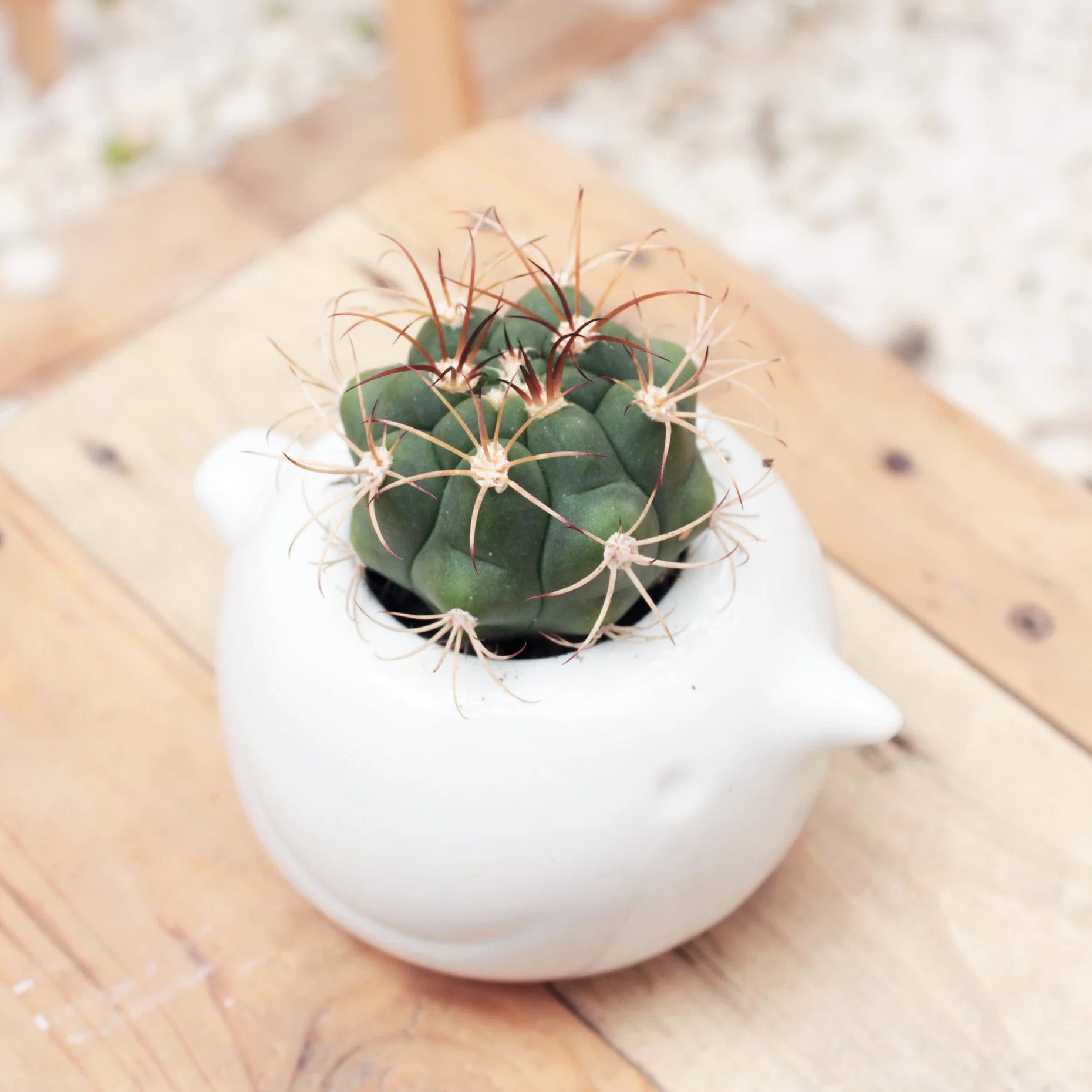
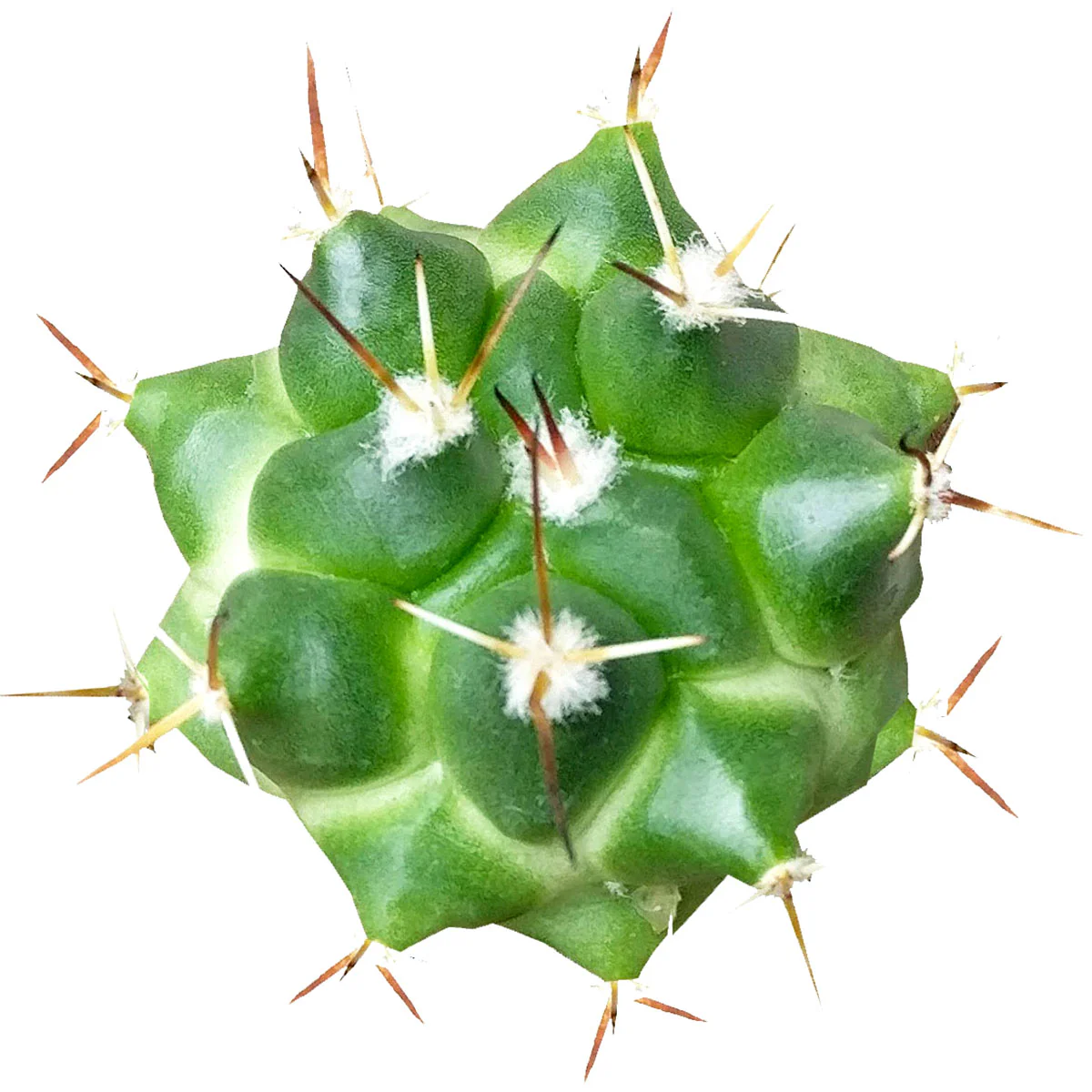
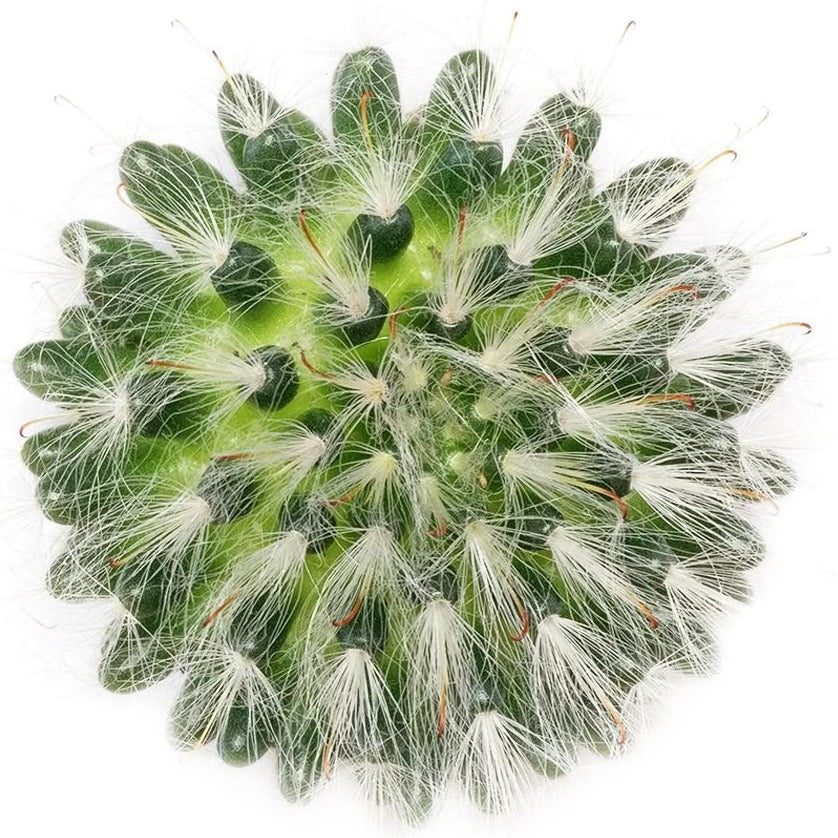
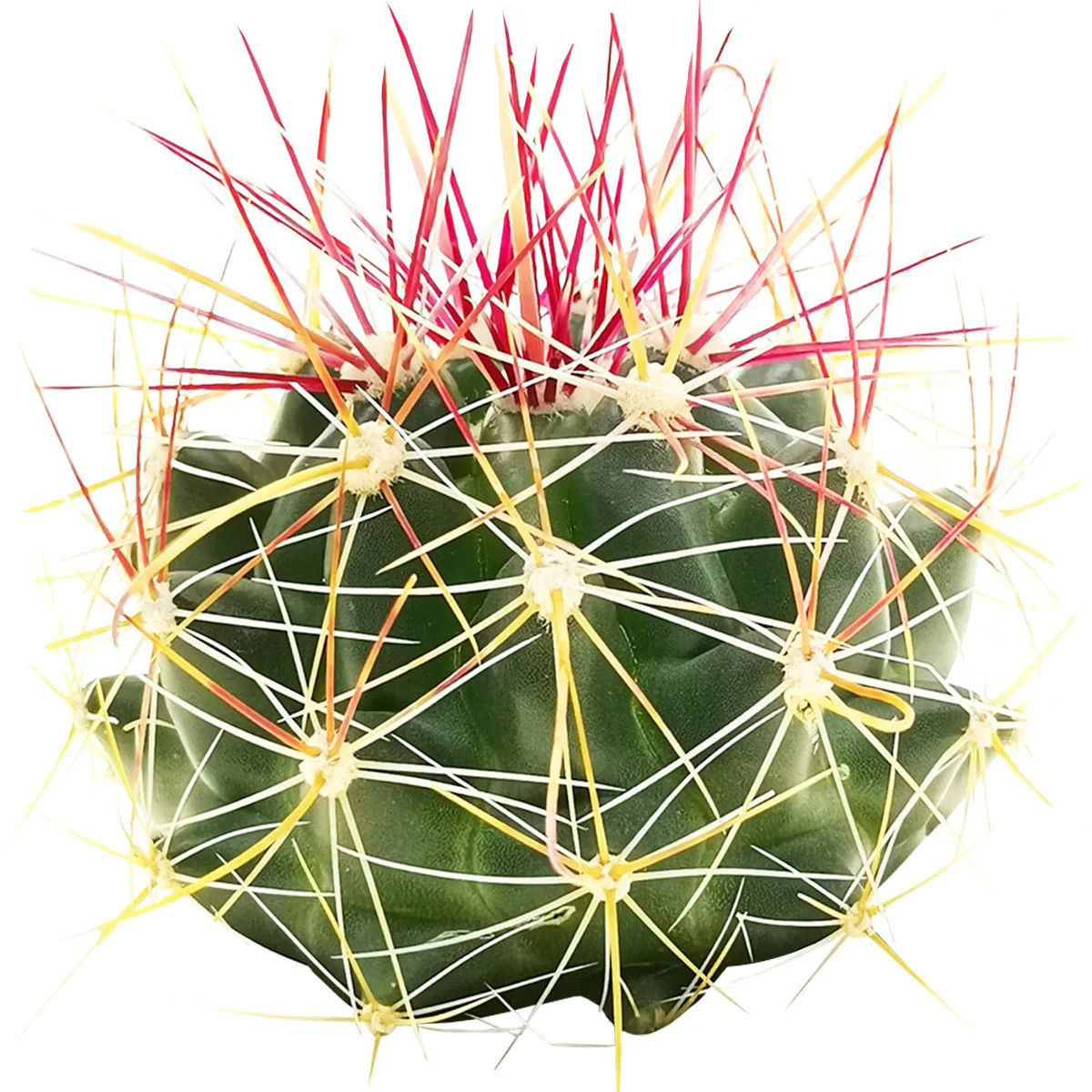
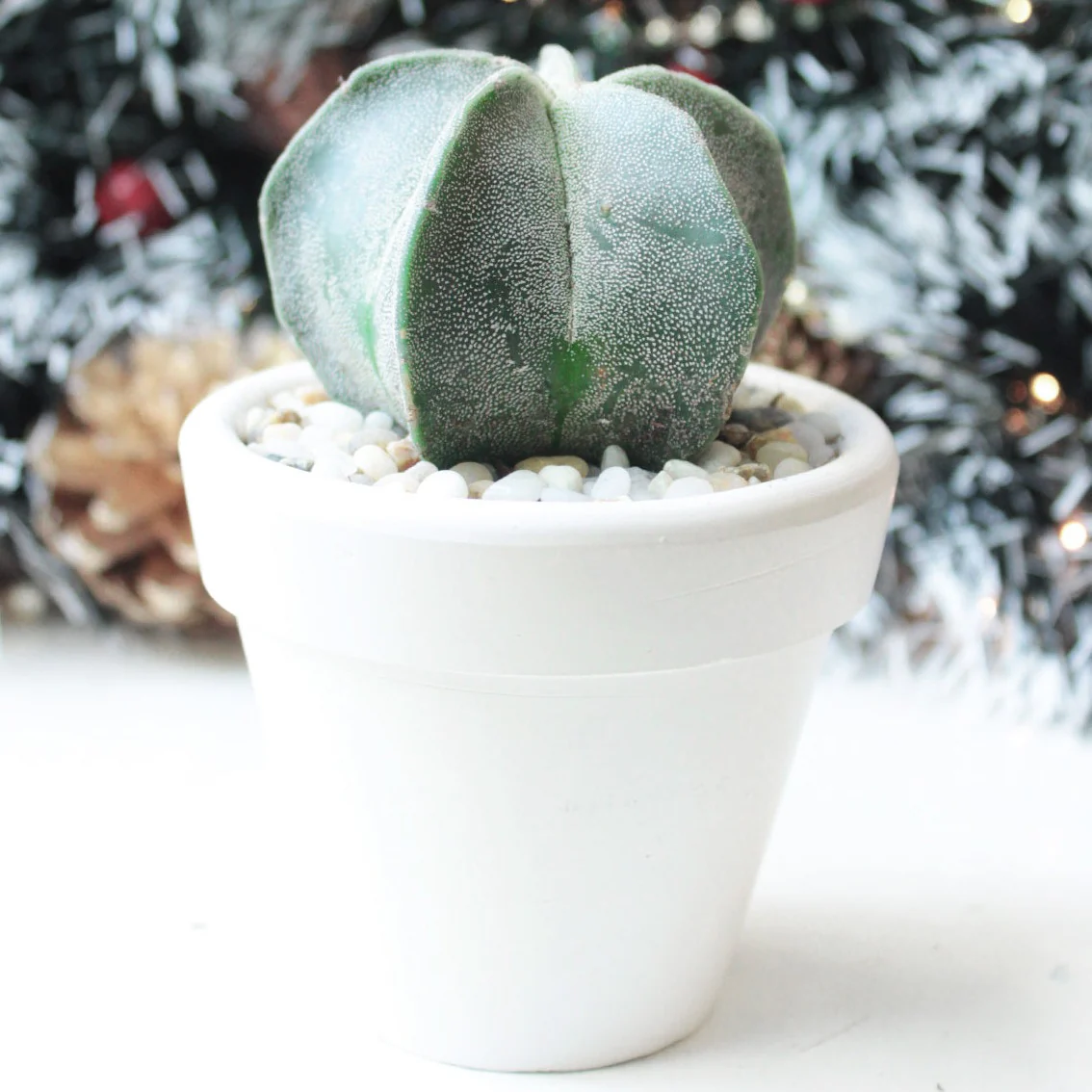
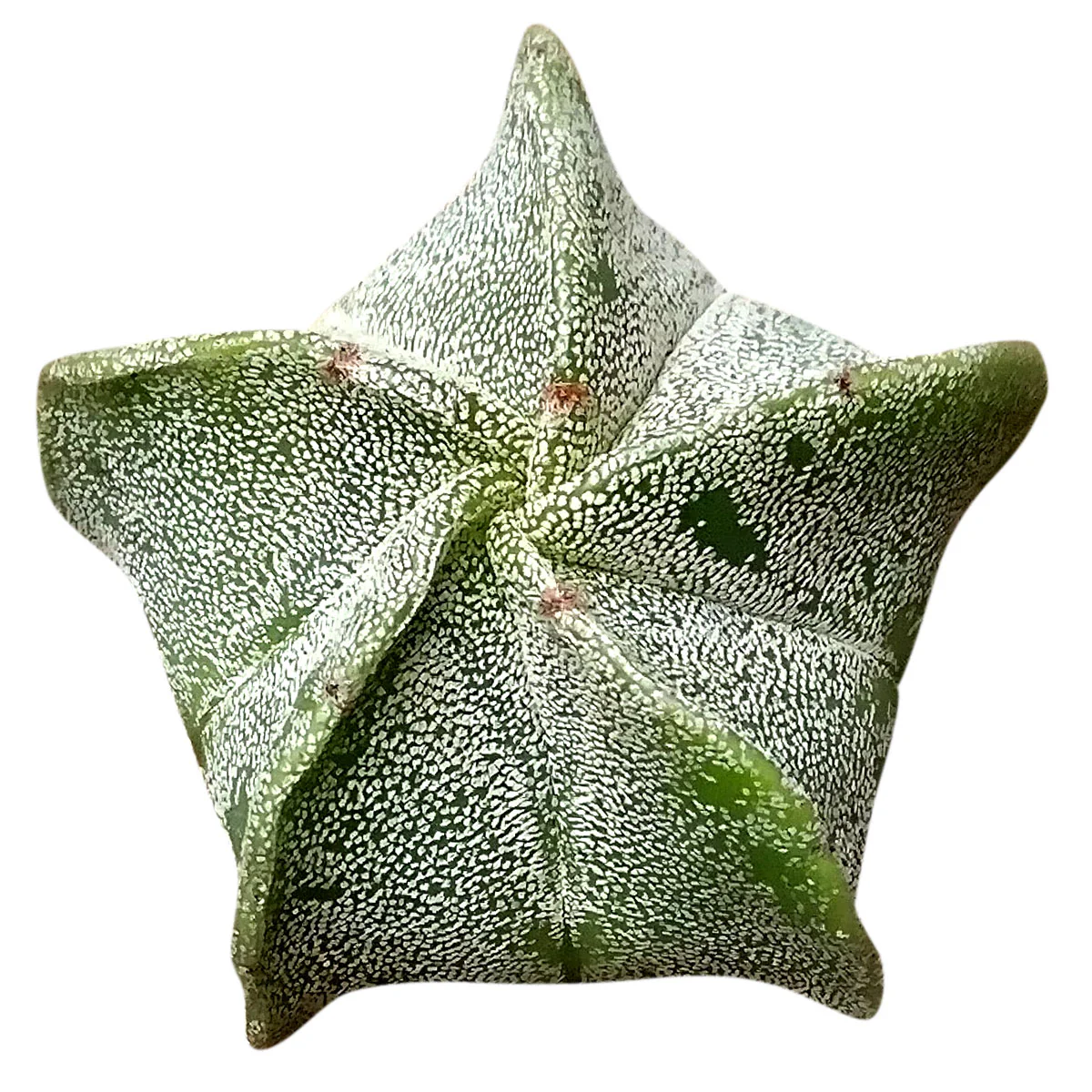
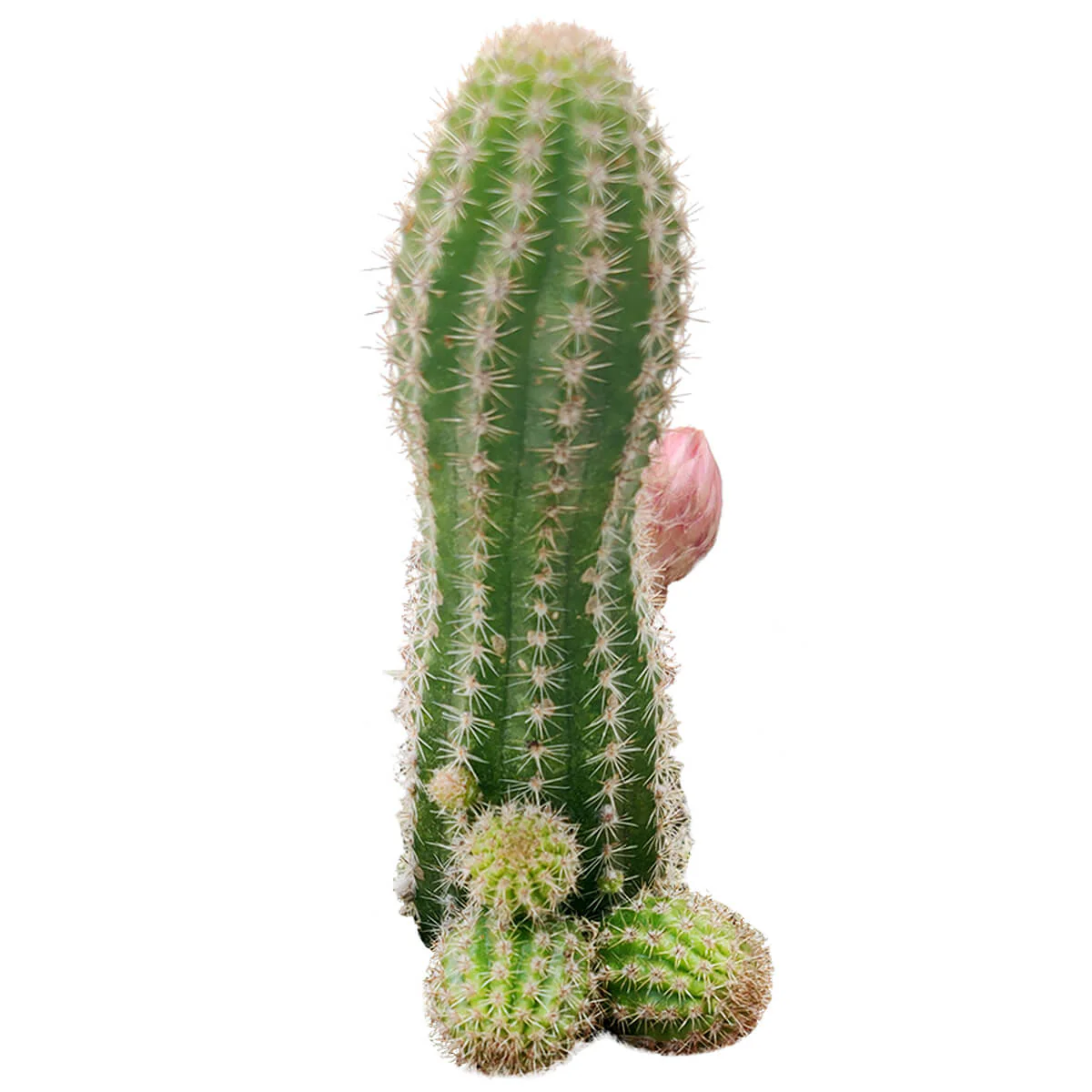
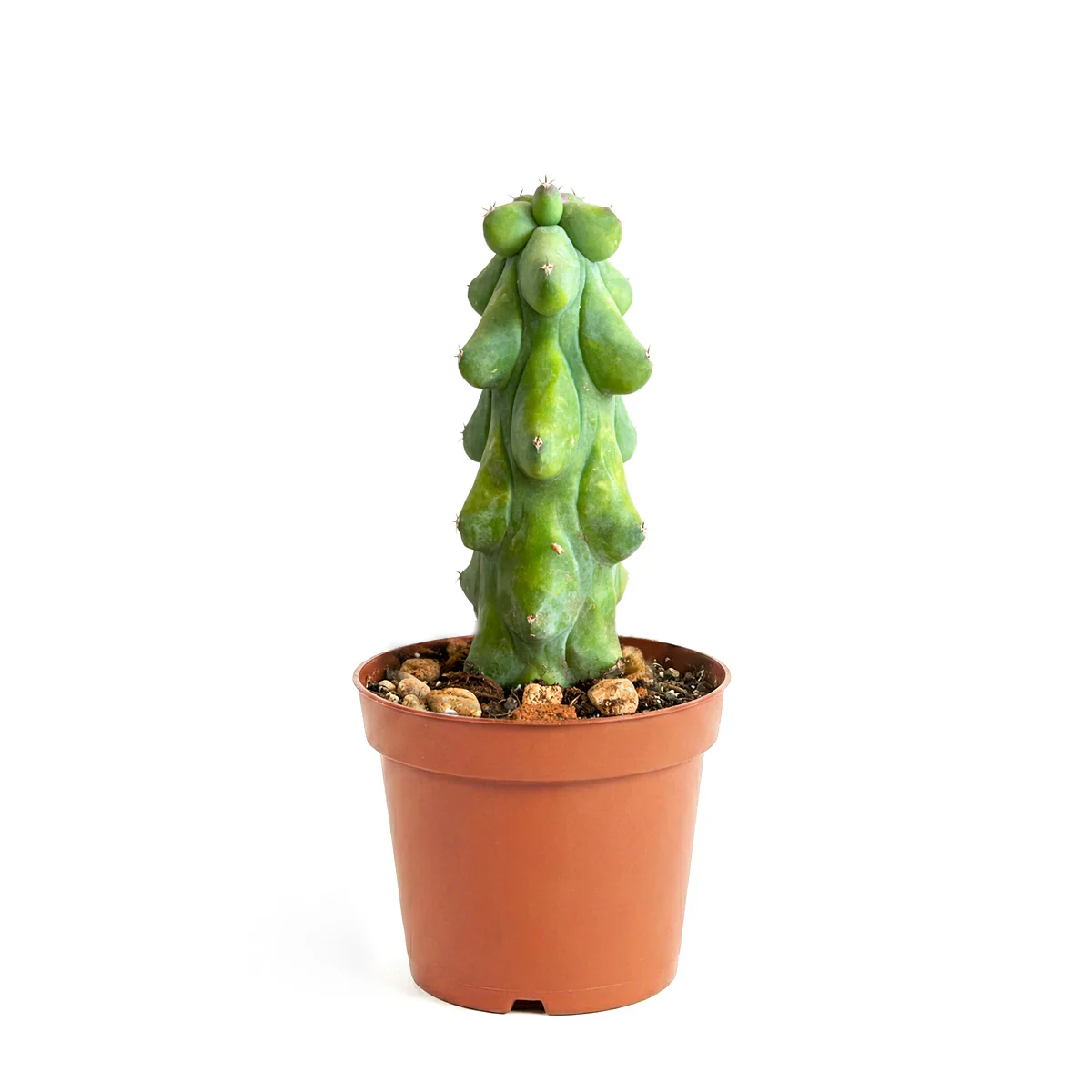
![]() The Boobie Cactus, scientifically known as Myrtillocactus geometrizans 'Fukurokuryuzinboku', is a uniquely shaped cactus that has gained popularity among plant enthusiasts for its distinctive, lumpy appearance.
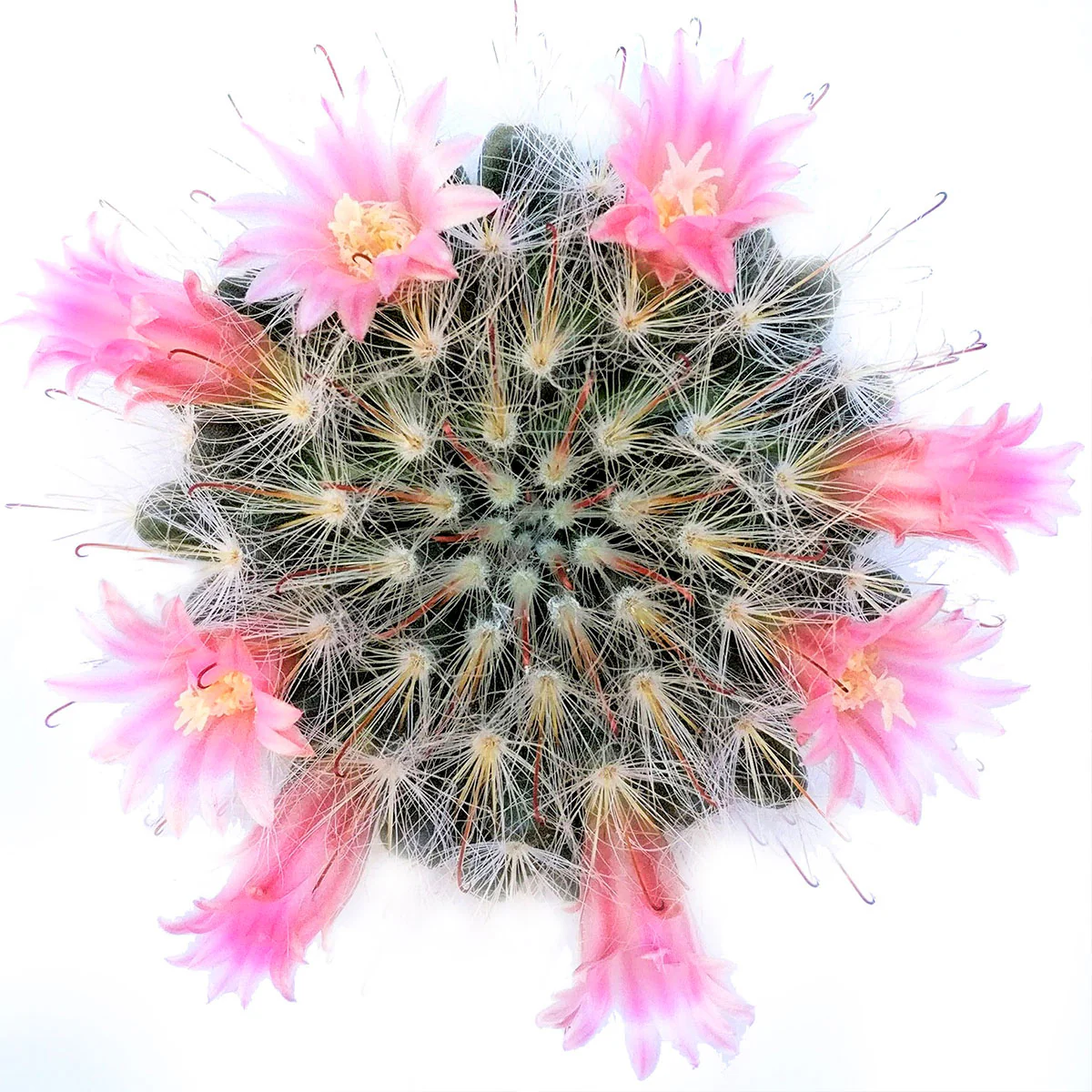
The Boobie Cactus, scientifically known as Myrtillocactus geometrizans 'Fukurokuryuzinboku', is a uniquely shaped cactus that has gained popularity among plant enthusiasts for its distinctive, lumpy appearance. ![]() The Boobie Cactus produces small, greenish-white to cream-colored flowers that typically appear in the spring on mature plants.
The Boobie Cactus produces small, greenish-white to cream-colored flowers that typically appear in the spring on mature plants. ![]() Boobie Cactus has relatively easy care requirements, making it a sought-after specimen for both novice and experienced succulent collectors.
Boobie Cactus has relatively easy care requirements, making it a sought-after specimen for both novice and experienced succulent collectors.
-
![]() This cactus thrives in bright, direct sunlight.
This cactus thrives in bright, direct sunlight.![]() Like most cacti, the Boobie Cactus requires a well-draining soil mix to prevent root rot.
Like most cacti, the Boobie Cactus requires a well-draining soil mix to prevent root rot.![]() The Boobie Cactus prefers warm temperatures, ideally between 70°F and 95°F (21°C and 35°C).
The Boobie Cactus prefers warm temperatures, ideally between 70°F and 95°F (21°C and 35°C).![]() Water thoroughly when the soil is completely dry to the touch.
Water thoroughly when the soil is completely dry to the touch.![]() While the Boobie Cactus is not considered highly toxic, it does have small spines. Therefore, it is best to keep it out of reach of curious pets and small children to avoid any potential irritation.
While the Boobie Cactus is not considered highly toxic, it does have small spines. Therefore, it is best to keep it out of reach of curious pets and small children to avoid any potential irritation. -
USDA zone from 9b to 11b
![]()
 The Boobie Cactus, scientifically known as Myrtillocactus geometrizans 'Fukurokuryuzinboku', is a uniquely shaped cactus that has gained popularity among plant enthusiasts for its distinctive, lumpy appearance.
  The Boobie Cactus produces small, greenish-white to cream-colored flowers that typically appear in the spring on mature plants.
  Boobie Cactus has relatively easy care requirements, making it a sought-after specimen for both novice and experienced succulent collectors.
 This cactus thrives in bright, direct sunlight.
 Like most cacti, the Boobie Cactus requires a well-draining soil mix to prevent root rot.
 The Boobie Cactus prefers warm temperatures, ideally between 70°F and 95°F (21°C and 35°C).
 Water thoroughly when the soil is completely dry to the touch.
 While the Boobie Cactus is not considered highly toxic, it does have small spines. Therefore, it is best to keep it out of reach of curious pets and small children to avoid any potential irritation.
Select Size
From $12.60
Original: $41.99
-70%Boobie Cactus—
$41.99
$12.60Product Information
Product Information
Shipping & Returns
Shipping & Returns
Description
-
![]() The Boobie Cactus, scientifically known as Myrtillocactus geometrizans 'Fukurokuryuzinboku', is a uniquely shaped cactus that has gained popularity among plant enthusiasts for its distinctive, lumpy appearance.
The Boobie Cactus, scientifically known as Myrtillocactus geometrizans 'Fukurokuryuzinboku', is a uniquely shaped cactus that has gained popularity among plant enthusiasts for its distinctive, lumpy appearance. ![]() The Boobie Cactus produces small, greenish-white to cream-colored flowers that typically appear in the spring on mature plants.
The Boobie Cactus produces small, greenish-white to cream-colored flowers that typically appear in the spring on mature plants. ![]() Boobie Cactus has relatively easy care requirements, making it a sought-after specimen for both novice and experienced succulent collectors.
Boobie Cactus has relatively easy care requirements, making it a sought-after specimen for both novice and experienced succulent collectors.
-
![]() This cactus thrives in bright, direct sunlight.
This cactus thrives in bright, direct sunlight.![]() Like most cacti, the Boobie Cactus requires a well-draining soil mix to prevent root rot.
Like most cacti, the Boobie Cactus requires a well-draining soil mix to prevent root rot.![]() The Boobie Cactus prefers warm temperatures, ideally between 70°F and 95°F (21°C and 35°C).
The Boobie Cactus prefers warm temperatures, ideally between 70°F and 95°F (21°C and 35°C).![]() Water thoroughly when the soil is completely dry to the touch.
Water thoroughly when the soil is completely dry to the touch.![]() While the Boobie Cactus is not considered highly toxic, it does have small spines. Therefore, it is best to keep it out of reach of curious pets and small children to avoid any potential irritation.
While the Boobie Cactus is not considered highly toxic, it does have small spines. Therefore, it is best to keep it out of reach of curious pets and small children to avoid any potential irritation. -
USDA zone from 9b to 11b
![]()